In 1985, stealing a car required commitment. You needed a slim jim or coat hanger to slip past the window seal, steady hands to manipulate the lock mechanism, and nerves of steel to hotwire the ignition while neighbors might be watching. The whole process took five to ten minutes of highly visible criminal activity. Most attempts failed, and many thieves got caught in the act.
Today, professional car thieves work like IT consultants. They carry laptops, signal amplifiers, and OBD programmers. They can clone your key fob from 30 feet away, start your engine without touching the ignition, and drive off in under two minutes. The crime has gone digital, and the criminals have gotten frighteningly good at it.
The Mechanical Age of Car Theft
For most of automotive history, stealing cars was a blue-collar crime requiring manual skills and physical tools. Thieves targeted older vehicles with worn locks and simple ignition systems. Popular models like Ford Mustangs and Chevrolet Camaros were frequent targets because their parts had high resale value and their security systems were relatively primitive.
The classic hotwiring technique involved accessing the steering column, identifying the correct wires, and creating a spark to start the engine. It required basic electrical knowledge and steady hands. Many attempts ended in failure when thieves cut the wrong wires or triggered anti-theft systems.
Chop shops operated like illegal auto parts stores, stripping stolen vehicles and selling components to unscrupulous repair shops. A stolen car might be completely disassembled within hours, its parts scattered across dozens of legitimate businesses. The system was crude but effective, feeding a thriving black market in automotive components.
The Arms Race Begins
As theft rates climbed in the 1980s and 1990s, manufacturers fought back with increasingly sophisticated security measures. Steering wheel locks like The Club became popular, creating a visible deterrent that made theft more time-consuming. Car alarms shrieked at the slightest disturbance, though they quickly became so common that most people ignored them.
Immobilizer systems represented a major technological leap. These electronic devices prevented engines from starting without the correct transponder key. Thieves could still break into vehicles, but they couldn't drive them away without bypassing complex electronic systems.
By the early 2000s, traditional car theft methods were becoming obsolete. Professional criminals adapted by targeting luxury vehicles for export to countries with less sophisticated law enforcement, or by focusing on carjacking—taking cars directly from their owners rather than breaking into parked vehicles.
The Digital Revolution
Modern vehicles are essentially computers on wheels, packed with wireless communication systems, electronic control units, and internet connectivity. This digital transformation made cars more convenient and feature-rich, but it also created new vulnerabilities that criminals quickly learned to exploit.
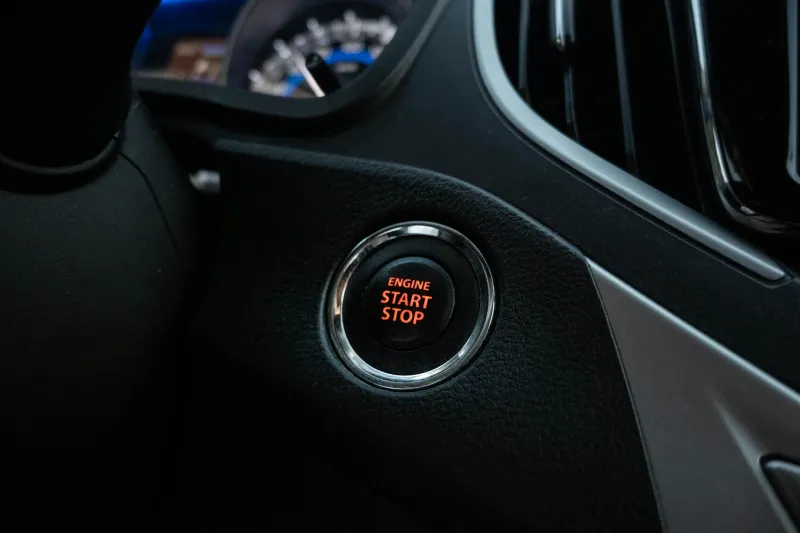
Keyless entry systems seemed like the ultimate convenience. Owners could unlock and start their cars without removing keys from their pockets. The technology relies on radio frequency communication between key fobs and vehicles, typically requiring the fob to be within a few feet of the car.
Criminals discovered they could defeat these systems using relay attacks. Two thieves work together: one positions a signal amplifier near the target vehicle while the other stands near the owner's house with a device that captures and retransmits the key fob's signal. The car thinks the key is present and unlocks normally.
The New Criminal Toolkit
Today's car thieves look more like cybercriminals than traditional crooks. They use laptops running specialized software to communicate with vehicle computer systems. OBD port exploits allow thieves to reprogram cars' electronic control units, creating new key codes and bypassing security systems.
Some criminals have industrialized the process. They purchase legitimate automotive diagnostic equipment and modify it for illegal purposes. The same tools that mechanics use to diagnose engine problems can be repurposed to steal cars, making it difficult for law enforcement to distinguish between legitimate and criminal activities.
Social media has transformed how stolen vehicles are marketed and sold. Instead of relying on local chop shops, thieves can advertise parts online and ship them across the country. The internet provides anonymity and access to nationwide markets that traditional criminals could never reach.
The Statistics Tell the Story
National car theft statistics reveal how dramatically the crime has evolved. In 1991, the United States experienced over 1.6 million vehicle thefts. By 2014, that number had dropped to fewer than 700,000 as immobilizers and other security technologies made traditional theft methods obsolete.
Then the numbers started climbing again. Vehicle thefts increased by 12% between 2019 and 2020, with luxury vehicles and models equipped with keyless entry systems showing the steepest increases. Cities like Minneapolis, Denver, and Austin saw theft rates double or triple as criminals adapted to new technologies.
Certain vehicle models have become particularly vulnerable to digital theft techniques. Hyundai and Kia vehicles manufactured without immobilizers became popular targets after social media videos demonstrated how to steal them using USB cables. The "Kia Challenge" went viral on TikTok, leading to thousands of thefts by amateur criminals copying techniques they learned online.
The Invisible Crime
Modern car theft often happens without witnesses noticing anything unusual. Thieves work quietly and efficiently, using electronic tools that don't trigger traditional alarm systems. Neighbors might see someone walking around cars with a small device, but the activity looks innocuous compared to the dramatic break-ins of previous decades.
This invisibility makes the crime harder to prevent and prosecute. Security cameras might capture thieves approaching vehicles, but the actual theft happens so quickly and quietly that evidence is often insufficient for conviction. Many victims don't realize their cars are stolen until hours later.
Law enforcement agencies struggle to keep pace with evolving theft techniques. Officers trained to investigate traditional break-ins may lack the technical expertise to understand relay attacks or OBD exploits. The criminals often know more about automotive electronics than the police trying to catch them.
Fighting Back in the Digital Age
Automakers are responding with new security measures designed to counter digital theft techniques. Some manufacturers have added motion sensors to key fobs that put them to sleep when not in use, preventing relay attacks. Others use rolling codes that change with each use, making it harder for criminals to capture and replay signals.
Faraday pouches and signal-blocking wallets have become popular among security-conscious car owners. These simple devices use metal mesh to block radio frequency signals, preventing thieves from accessing key fobs remotely. The solution is low-tech but effective against high-tech crimes.
Some luxury car manufacturers now offer digital key systems that use smartphone apps instead of traditional fobs. These systems use more sophisticated encryption and authentication methods, though criminals are already working to defeat them.
The Endless Cycle
The history of car theft reflects a constant arms race between criminals and manufacturers. Each new security measure eventually gets defeated by criminals who adapt their techniques and tools. The cycle repeats endlessly: manufacturers develop new protections, criminals find new exploits, law enforcement catches up, and the process begins again.
What's changed is the speed of evolution. Traditional theft methods remained relatively stable for decades. Digital techniques evolve rapidly, with new exploits appearing months or weeks after manufacturers deploy countermeasures. The internet allows criminals to share techniques instantly, accelerating the development of new attack methods.
The gap between then and now isn't just about technology—it's about the fundamental nature of crime itself. Car theft has transformed from a desperate act requiring courage and skill into a calculated business requiring technical knowledge and expensive equipment. The criminals have gone professional, and the rest of us are still catching up.