Then vs Now. The gap is bigger than you think.

The Now Gap

Then vs Now. The gap is bigger than you think.

Latest Articles

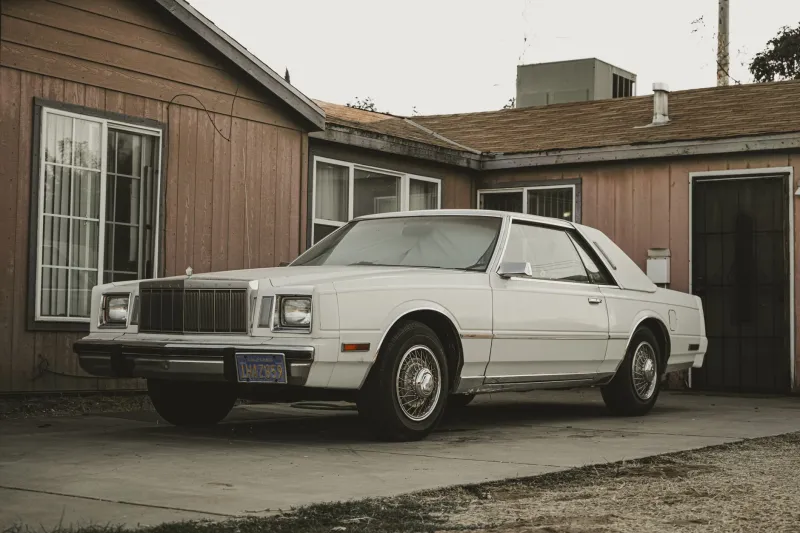
Detroit Built Land Yachts That Drank Gas Like Water — Then Reality Hit Like a Freight Train
Finance

Detroit Built Land Yachts That Drank Gas Like Water — Then Reality Hit Like a Freight Train

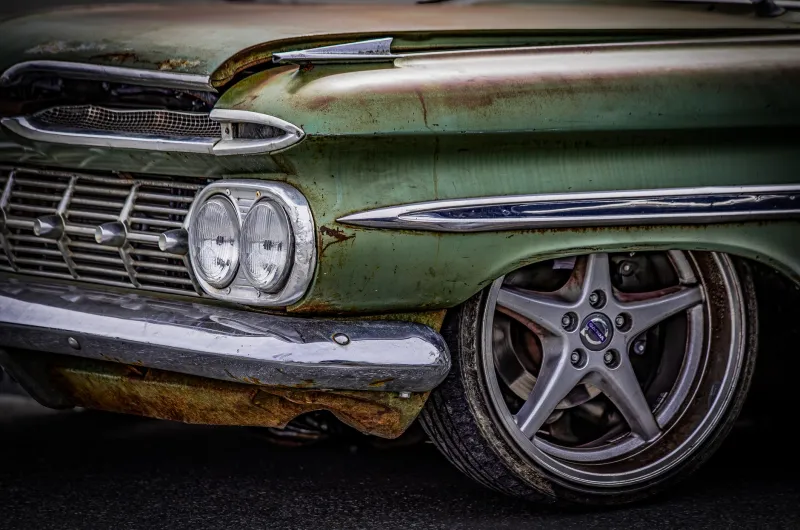
American cars once weighed over 5,000 pounds and stretched 20 feet long, guzzling gas without apology. Then an oil embargo changed everything overnight, forcing Detroit to reinvent the automobile from the ground up.

Cars Once Came With Three Colors and an AM Radio — Now You Need a PhD to Navigate the Options Menu
Culture

Cars Once Came With Three Colors and an AM Radio — Now You Need a PhD to Navigate the Options Menu

American cars once rolled off lots with basic cloth seats and maybe an optional radio. Today's vehicles offer thousands of possible configurations, subscription services, and dealer add-ons that can double the sticker price.

When Downtown Parking Meant Someone Else Did the Driving — Before America Chose Convenience Over Service
Culture

When Downtown Parking Meant Someone Else Did the Driving — Before America Chose Convenience Over Service

For decades, pulling up downtown meant handing your keys to a uniformed attendant who'd park your car with a smile. Today, most Americans circle blocks endlessly, hunting for meters they'll feed through smartphone apps.

Gas Stations Once Treated You Like Royalty — Then America Chose Cheap Over Service
Culture

Gas Stations Once Treated You Like Royalty — Then America Chose Cheap Over Service

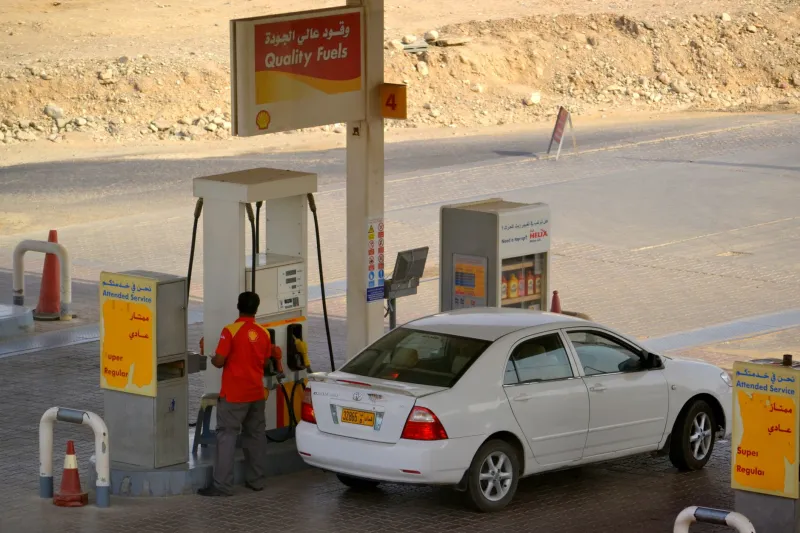
Full-service gas stations once employed armies of uniformed attendants who treated every customer like VIP. The self-service revolution didn't just change how we buy gas — it transformed American expectations about service itself.

Children's Car Seats Were Once Designed to Help Kids See — Not to Keep Them Alive
Culture

Children's Car Seats Were Once Designed to Help Kids See — Not to Keep Them Alive

Early child car seats were nothing more than booster cushions designed to give kids a better view out the window. The transformation into life-saving safety devices represents one of the most dramatic shifts in American parenting priorities.

A Traffic Stop Used to Cost You Five Bucks — Now It Costs You Forever
Finance

A Traffic Stop Used to Cost You Five Bucks — Now It Costs You Forever

Getting pulled over once meant paying a modest fine and going about your day. Today's traffic enforcement has evolved into a complex web of penalties, points, and permanent records that can haunt drivers for years.

From Farm Roads to Digital Classrooms — How America Turned Learning to Drive Into a College Course
Culture

From Farm Roads to Digital Classrooms — How America Turned Learning to Drive Into a College Course

Learning to drive used to mean dad, an empty field, and maybe an hour of practice before heading to the DMV. Now it's a months-long bureaucratic process complete with apps, logs, and enough paperwork to qualify for a mortgage.

When Car Manuals Were Written for Humans — Before Engineers Took Over the Glove Box
Travel

When Car Manuals Were Written for Humans — Before Engineers Took Over the Glove Box

Your grandfather's owner's manual was a practical guide written in plain English that actually helped you fix things. Today's manual is a 600-page legal document that assumes you have a PhD in automotive engineering and the patience of a saint.

A Promise You Could Count On — How Car Warranties Went From Simple Guarantees to Legal Labyrinths
Finance

A Promise You Could Count On — How Car Warranties Went From Simple Guarantees to Legal Labyrinths

Car warranties once meant exactly what they said — if your car broke, they'd fix it. Today's warranties are masterpieces of legal engineering designed more to protect manufacturers than help drivers when things go wrong.

Your Car Insurance Policy Used to Fit on One Page — Now It's 60 Pages of Legal Gibberish Nobody Understands
Finance

Your Car Insurance Policy Used to Fit on One Page — Now It's 60 Pages of Legal Gibberish Nobody Understands

Early auto insurance was simple: basic coverage, reasonable rates, and policies you could actually read. Now it's a maze of exclusions, riders, and algorithmic pricing that most drivers don't understand until disaster strikes.

Before GPS, Getting Lost Was Part of Getting There — The Art of Navigation Your Phone Destroyed
Travel

Before GPS, Getting Lost Was Part of Getting There — The Art of Navigation Your Phone Destroyed

Planning a road trip once required genuine skill — paper maps, AAA TripTiks, and the ability to navigate by landmarks and intuition. Now an entire generation would be stranded without a signal.

When Car Colors Had Poetry — Before Marketing Killed 'Firemist Gold' for 'Space Gray'
Culture

When Car Colors Had Poetry — Before Marketing Killed 'Firemist Gold' for 'Space Gray'

American automakers once painted cars in 50 different shades with names that told stories — Coral Sand, Turbine Bronze, Horizon Blue. Now we get five colors with clinical names and pay extra for the privilege.

Your Grandfather Fixed His Car With a Wrench and Weekend — Now You Need NASA-Level Clearance to Change a Lightbulb
Finance

Your Grandfather Fixed His Car With a Wrench and Weekend — Now You Need NASA-Level Clearance to Change a Lightbulb

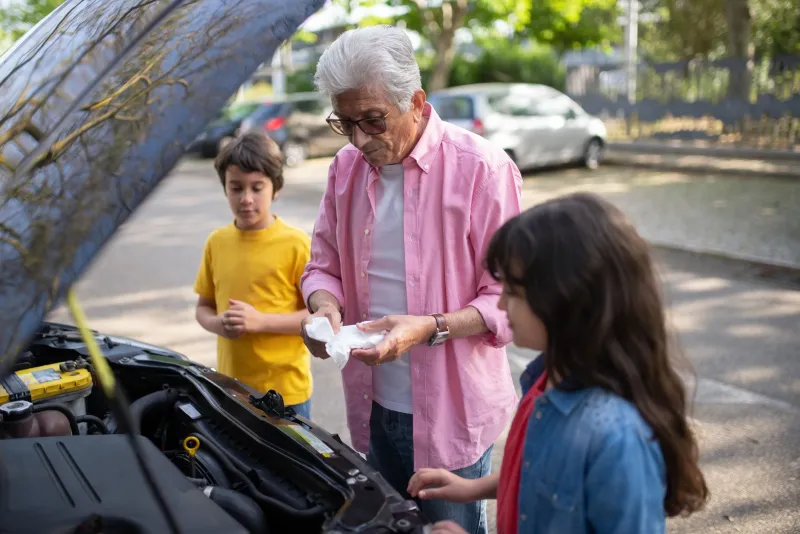
American garages once echoed with the sounds of fathers teaching sons to rebuild engines with basic tools. Today's cars lock out owners with encrypted software, turning a nation of DIY mechanics into helpless customers.

Car Dealers Once Showed You One Price on a Window Sticker — Now They've Turned Buying Into a Shell Game
Finance

Car Dealers Once Showed You One Price on a Window Sticker — Now They've Turned Buying Into a Shell Game

American car buying once meant walking onto a lot, seeing a price, and negotiating from there. Today's buyers navigate a maze of hidden fees, market adjustments, and algorithmic pricing that changes faster than gas prices.

When Your Car's Paint Job Told the World Who You Were — Now Every Parking Lot Looks Like a Grayscale Photo
Culture

When Your Car's Paint Job Told the World Who You Were — Now Every Parking Lot Looks Like a Grayscale Photo

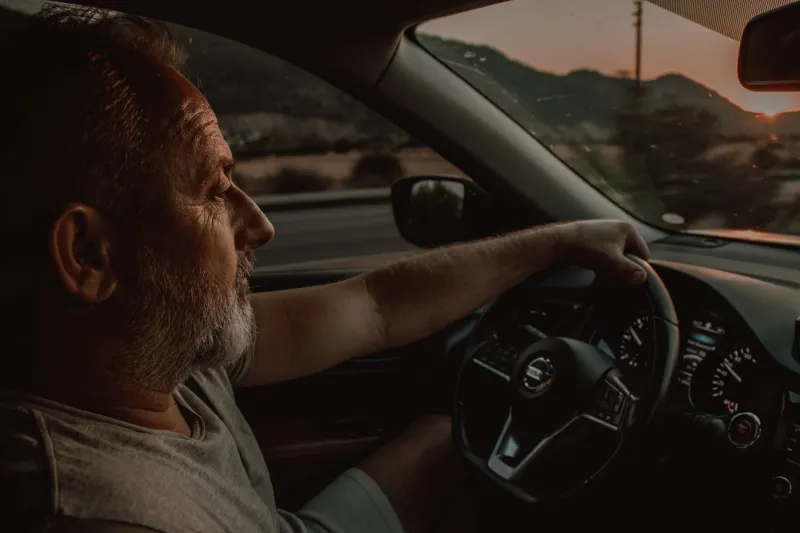
American driveways once exploded with turquoise Thunderbirds and candy-apple red Corvettes. Today, algorithms and resale calculators have drained the rainbow from our roads, leaving behind a monochrome landscape of market-approved neutrals.

Your Car Used to Break and Stay Broken — Until Software Learned to Heal Itself
Culture

Your Car Used to Break and Stay Broken — Until Software Learned to Heal Itself

Car recalls once meant ignoring a letter from Detroit and hoping for the best. Now your vehicle downloads fixes while parked in your driveway, fundamentally changing how we think about automotive safety.

Breaking Into Cars Once Took Guts and a Coat Hanger — Now It Takes Wi-Fi and Two Minutes
Culture

Breaking Into Cars Once Took Guts and a Coat Hanger — Now It Takes Wi-Fi and Two Minutes

Car thieves once needed crowbars and calm nerves to hotwire vehicles in broad daylight. Today's criminals use laptops and signal amplifiers to steal keyless cars without breaking a sweat or making a sound.

When Your Banker Knew Your Name — Before a Computer Decided Your Car Loan
Finance

When Your Banker Knew Your Name — Before a Computer Decided Your Car Loan

Car financing once meant sitting across from a banker who knew your family's history. Now an algorithm approves or denies your loan in seconds, fundamentally changing who gets to drive off the lot.

Car Crashes Used to Bankrupt Families — Now Algorithms Calculate Your Every Risk
Finance

Car Crashes Used to Bankrupt Families — Now Algorithms Calculate Your Every Risk

In 1930, fewer than 15% of American drivers carried auto insurance, and a serious accident could destroy a family's finances overnight. Today, sophisticated algorithms track your driving habits and price your risk down to the penny.

America's Drive-Ins Once Hosted 4,000 Screens Under the Stars — Now Netflix Fits in Your Pocket
Culture

America's Drive-Ins Once Hosted 4,000 Screens Under the Stars — Now Netflix Fits in Your Pocket

At their 1950s peak, drive-in movie theaters represented the perfect marriage of car culture and entertainment, drawing millions of Americans to outdoor screens across the country. Today, fewer than 300 survive in an age where most movies are watched on phones.