When Car Manuals Were Written for Humans — Before Engineers Took Over the Glove Box
The Glove Box Bible That Made Sense
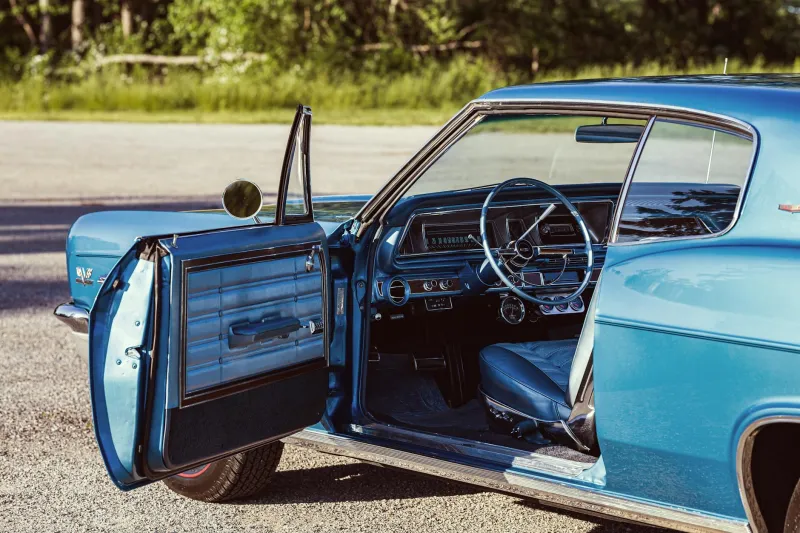
Open the glove box of any American car from the 1960s, and you'd find a slim booklet that looked like it was written for actual human beings. The owner's manual was maybe 80 pages, filled with clear diagrams, straightforward instructions, and the revolutionary assumption that car owners might want to understand their vehicles.
These manuals spoke in everyday language. "If your engine won't start, check these three things first." "Here's how to change a tire." "This is what each dashboard light means." They included fold-out diagrams showing every fuse, every fluid reservoir, every belt and hose under the hood. Most importantly, they assumed you might actually want to maintain your own car.
The writing was conversational, almost friendly. Manuals from companies like Ford and Chevrolet read like advice from a knowledgeable neighbor, not legal documents prepared by committee. They acknowledged that cars break down and owners need to fix them, often in less-than-ideal circumstances.
When Simplicity Was the Point
Those vintage manuals covered everything you needed to know in language you could understand. The maintenance schedule fit on a single page. Troubleshooting charts used simple yes-or-no questions to guide you to solutions. Even complex procedures like adjusting carburetors or timing were explained in step-by-step terms that assumed basic mechanical aptitude, not engineering degrees.
Illustrations were hand-drawn and practical, showing exactly what you'd see when you looked under the hood. They highlighted the specific bolt you needed to remove, the exact wire you needed to check, the precise location of components that might be hidden behind other parts.
The manuals also embraced their role as emergency references. They included sections on what to do if your car overheated in the desert, how to diagnose electrical problems with basic tools, and emergency repairs that could get you home safely. They assumed you might be stranded somewhere without cell service or nearby mechanics.
The Liability Revolution
The transformation began in the 1980s as product liability lawsuits became more common. Manufacturers started adding warning labels and disclaimers to protect themselves from creative legal interpretations of their advice. "Don't drink battery acid" warnings appeared alongside genuine maintenance instructions.
What began as reasonable legal protection gradually consumed entire sections. By the 1990s, owner's manuals spent more pages warning you about what not to do than explaining what you should do. The friendly, helpful tone disappeared, replaced by formal legal language designed to minimize corporate risk rather than maximize customer understanding.
Simple instructions became buried under layers of warnings, disclaimers, and liability-limiting language. A basic tire change procedure that once took half a page now required three pages of safety warnings, environmental considerations, and references to other sections of the manual.
The Digital Detour
Modern car manuals don't just exist in your glove box anymore — they're scattered across multiple platforms, formats, and access methods. Your physical manual covers basic operations but refers you to digital resources for everything interesting or useful.
Need to understand your infotainment system? There's an app for that, but it requires creating an account, accepting terms of service, and downloading software updates. Want to know why that dashboard light is on? The manual provides a QR code linking to an online portal that may or may not work depending on your cellular coverage.
Many manufacturers have moved detailed maintenance information entirely online, behind password-protected portals that require vehicle registration and sometimes subscription fees. The information that used to live in your glove box now lives in the cloud, accessible only when you have internet connectivity and remember your login credentials.
The 600-Page Monster
Today's owner's manuals are intimidating documents that seem designed to discourage reading rather than encourage understanding. The average manual now exceeds 600 pages, split across multiple volumes with confusing cross-references and contradictory information.
The writing style assumes you're either a certified technician or completely helpless — there's no middle ground for reasonably handy car owners who just want to understand their vehicles. Simple concepts are buried under technical jargon, while basic maintenance procedures are scattered across multiple sections with warnings that essentially say "don't try this at home."
Even finding specific information has become a challenge. Modern manuals use complex indexing systems, multiple table of contents, and section numbering that would challenge librarians. What used to be intuitive navigation has become an archaeological expedition.
The App-ocalypse
Many manufacturers now expect owners to use smartphone apps instead of traditional manuals for routine information. These apps promise convenience but deliver frustration — they require constant updates, consume data, and often lack the comprehensive information found in traditional manuals.
Worse, these digital solutions assume perfect connectivity and unlimited patience. Try diagnosing a car problem in a rural area with poor cell service, and you'll quickly miss that simple paper manual that worked regardless of Wi-Fi availability or app store updates.
The apps also introduce new problems: compatibility issues with older phones, subscription requirements for premium features, and the constant threat of discontinued support. Your grandfather's 1965 manual still works perfectly today — will your 2024 car app work in 2034?
When Expertise Became Exclusion
The most significant change isn't in format or length — it's in philosophy. Vintage manuals assumed car owners were capable of understanding and maintaining their vehicles with proper guidance. Modern manuals assume owners are potential liabilities who should touch as little as possible.
This shift reflects broader changes in automotive design and culture. Cars have become more complex, but they've also become more reliable. The routine maintenance that once required owner involvement — adjusting carburetors, setting timing, replacing points and plugs — has largely been eliminated by electronic systems.
But in protecting us from complexity, manufacturers have also disconnected us from understanding. Modern car owners know less about their vehicles than any previous generation, not because they're less capable, but because the information has been made deliberately inaccessible.
The Cost of Confusion
This complexity isn't just inconvenient — it's expensive. Owners who can't understand their manuals are more likely to visit dealerships for routine issues, pay for unnecessary services, and miss important maintenance requirements. The manual that once empowered owners to maintain their vehicles now drives them toward expensive professional services.
The digital divide makes things worse. Older owners who aren't comfortable with apps and online portals find themselves completely dependent on dealerships for information that used to be readily available in their glove boxes. Rural owners without reliable internet access face similar challenges.
What We Lost in Translation
That slim manual from 1965 represented more than just information — it represented trust between manufacturer and owner. Car companies assumed their customers were intelligent people who wanted to understand their purchases. They provided tools for understanding and maintaining vehicles because they believed informed owners were better owners.
Today's manual maze reflects a different relationship — one where manufacturers see owners as potential problems rather than partners. The information is still there, buried somewhere in the 600 pages or hidden behind digital paywalls, but it's no longer presented as something owners should understand or use.
The now gap in owner's manuals isn't just about page count or digital delivery — it's about the fundamental question of whether car owners should understand their cars. Your grandfather's manual said yes, clearly and simply. Today's manual says maybe, if you have time to decode it.