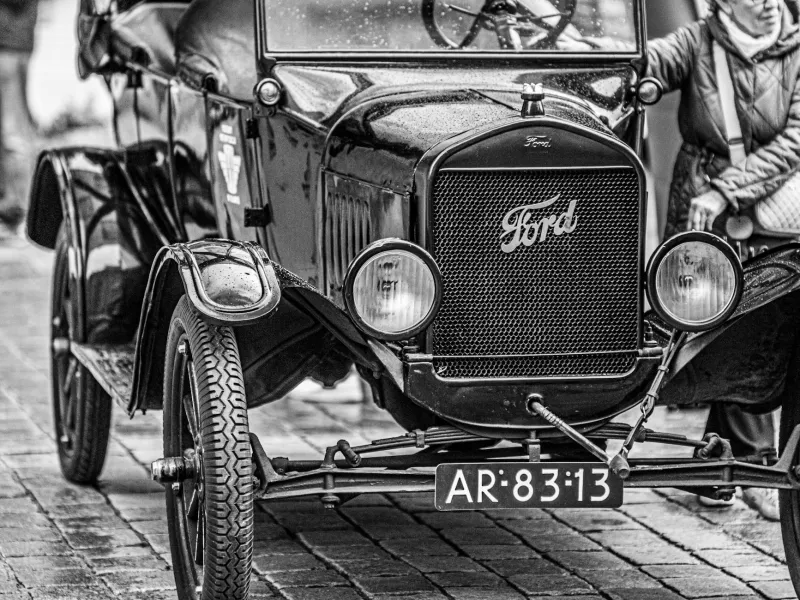
On a warm summer evening in 1957, you'd pull your Chevy into the Sunset Drive-In, find a spot among the 800 other cars, and hang a tinny speaker on your window. The giant screen would flicker to life as darkness fell, and for the next few hours, your car became a private movie theater under the stars.
This wasn't just entertainment — it was a cultural phenomenon that defined American leisure for three decades. Drive-in movie theaters represented everything the country loved about itself: cars, freedom, innovation, and the ability to enjoy entertainment on your own terms.
The Golden Age of Outdoor Cinema
By 1958, America boasted over 4,000 drive-in theaters, more than any other form of cinema in the country. These weren't small operations tucked away in rural areas — many drive-ins could accommodate 1,000 to 2,000 cars, making them among the largest entertainment venues in their communities.
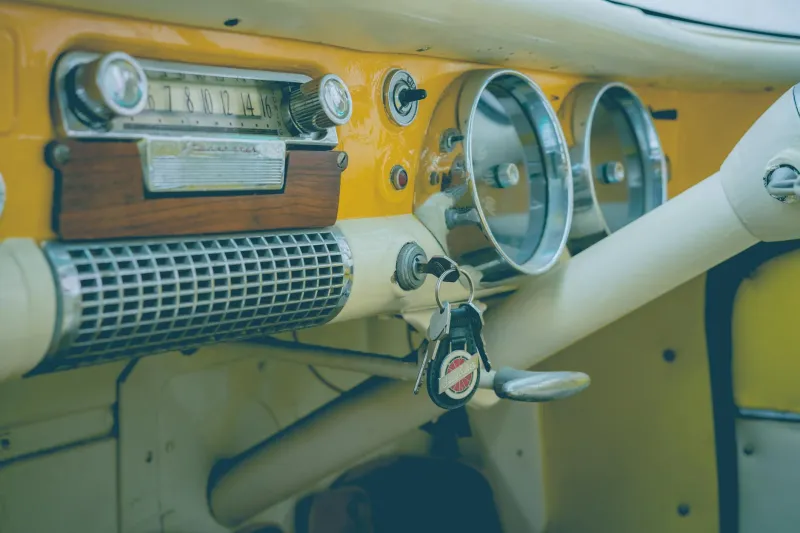
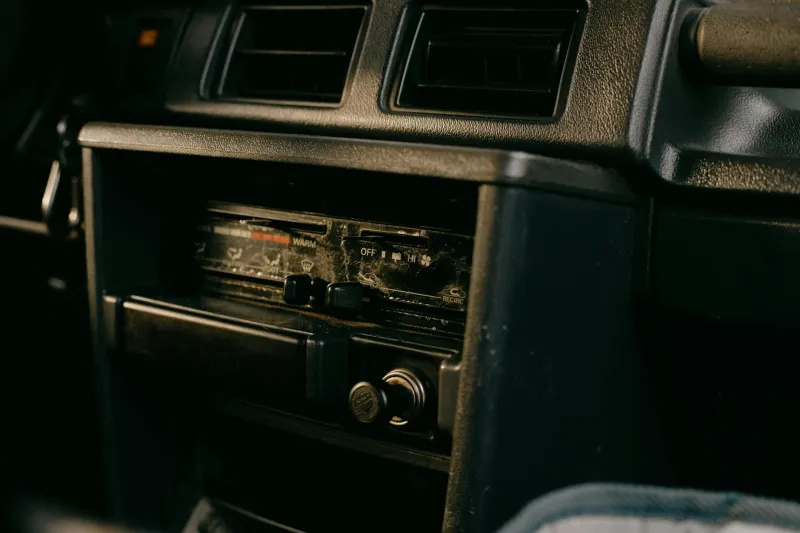
The experience was uniquely American. Families could attend movies in their pajamas, teenagers could enjoy privacy away from parents' watchful eyes, and parents could bring young children without worrying about disturbing other moviegoers. The car itself became part of the entertainment infrastructure, with its heater for cold nights, radio for intermission music, and trunk space for blankets and snacks.
Drive-ins democratized movie-going in ways traditional theaters never could. A carload of people paid one admission price, making it affordable for large families. Parents could bring crying babies, couples could enjoy intimate evenings, and teenagers could experience their first taste of independence — all in the same venue on the same night.
More Than Just Movies
The drive-in experience extended far beyond the film itself. Many locations featured elaborate neon signs, playground equipment for children, and concession stands that served full meals. The intermission became a social event, with families strolling between cars, children playing on swing sets, and teenagers congregating around the snack bar.
Some drive-ins hosted car shows, live music performances, and community events during daylight hours. They became genuine community centers that happened to show movies after dark. Local businesses often sponsored intermission entertainment, creating a unique blend of commerce and culture that traditional theaters couldn't match.
The technology was charmingly primitive but effective. Early drive-ins used massive speakers mounted on poles, requiring drivers to park precisely to hear the audio. Later innovations included individual speakers that hung on car windows, and eventually, radio transmission that allowed viewers to use their car stereos for sound.
The Perfect Storm of Cultural Change
The decline began in the 1970s and accelerated through the 1980s. Multiple factors converged to kill the drive-in experience. Daylight saving time meant movies couldn't start until later in the evening, making it difficult for families with young children. Rising real estate values made large plots of land too expensive to use for seasonal entertainment.
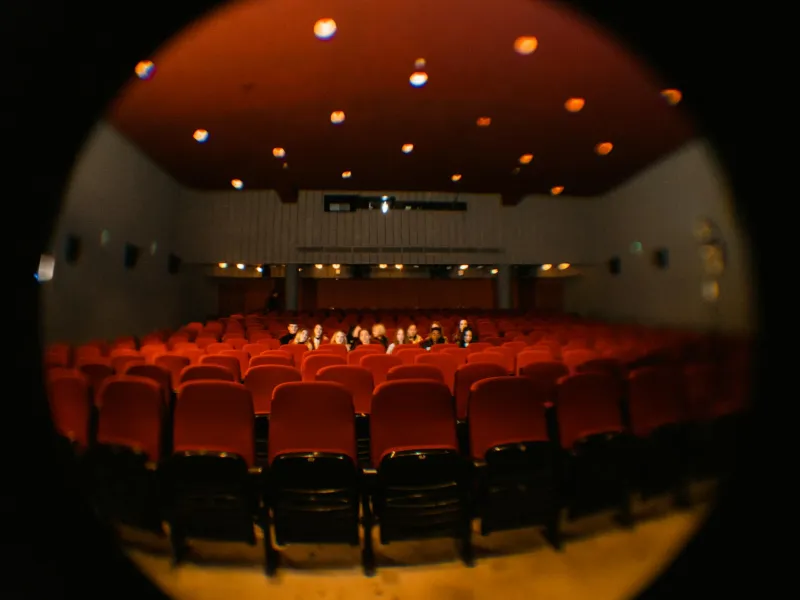
The rise of multiplex theaters offered year-round climate control, multiple movie choices, and superior sound quality. Home video systems gave families the privacy and convenience that drive-ins once uniquely provided. Cable television expanded entertainment options, and later, the internet transformed how Americans consumed media entirely.
Changing car designs also played a role. The low-slung muscle cars and sports cars of the 1970s and 1980s weren't ideal for drive-in viewing, unlike the upright sedans and station wagons that dominated earlier decades. Smaller car windows and different seating positions made outdoor viewing less comfortable.
The Digital Revolution That Changed Everything
Today's entertainment landscape would be incomprehensible to drive-in audiences from the 1950s. Americans now carry thousands of movies in their pockets, accessible instantly through streaming services. The average smartphone screen is sharper and more vibrant than most drive-in screens ever were.
Netflix, Amazon Prime, Disney+, and other platforms offer more viewing choices in a single evening than most drive-ins showed in an entire season. Movies premiere simultaneously in theaters and homes, eliminating the exclusive window that once made drive-ins special destinations.
The social aspect has transformed completely. Instead of gathering in cars under the stars, families often watch movies separately on individual devices, even when sitting in the same room. The shared cultural experience of seeing the same film simultaneously with hundreds of other families has largely disappeared.
The Survivors and Their Stories
Fewer than 300 drive-in theaters remain operational in America today, down from that 1958 peak of over 4,000. The survivors have adapted by embracing nostalgia, offering double features, hosting special events, and marketing themselves as unique experiences rather than convenient entertainment.
Many remaining drive-ins have upgraded to digital projection systems, FM radio sound transmission, and modern concession facilities. Some have added flea markets, car shows, and live music to generate revenue during daylight hours. Others focus on classic films, horror movie marathons, or family-friendly programming that appeals to specific audiences.
The COVID-19 pandemic briefly revived interest in drive-ins as socially distanced entertainment, but this renaissance proved temporary. Most Americans had forgotten how to attend drive-in movies, arriving unprepared with dead car batteries, inadequate seating, and unrealistic expectations about sound quality and screen visibility.
What We Lost
The disappearance of drive-in theaters represents more than just a change in entertainment preferences. These venues fostered a uniquely American form of communal experience — private yet shared, intimate yet public, technological yet connected to nature.
Drive-ins taught multiple generations how to balance personal space with community participation. They provided safe spaces for teenage romance, family bonding, and social interaction across economic lines. The experience of watching movies under the stars, surrounded by hundreds of other cars filled with neighbors and strangers, created memories that streaming services simply cannot replicate.
The Future of Shared Experience
As America becomes increasingly digital and individualized, the drive-in's legacy raises important questions about how we consume entertainment and build community. Virtual reality, augmented reality, and other emerging technologies promise immersive experiences, but they're fundamentally solitary.
The drive-in represented something we may have lost forever: the ability to be alone together, to enjoy privacy within a crowd, to make entertainment a social event without sacrificing personal comfort. In our rush toward convenience and choice, we may have abandoned something irreplaceable about the American experience.
From 4,000 screens under the stars to billions of screens in our pockets — the gap between then and now isn't just about technology or convenience. It's about fundamentally different approaches to how entertainment fits into our lives and communities.