Gas Stations Once Treated You Like Royalty — Then America Chose Cheap Over Service
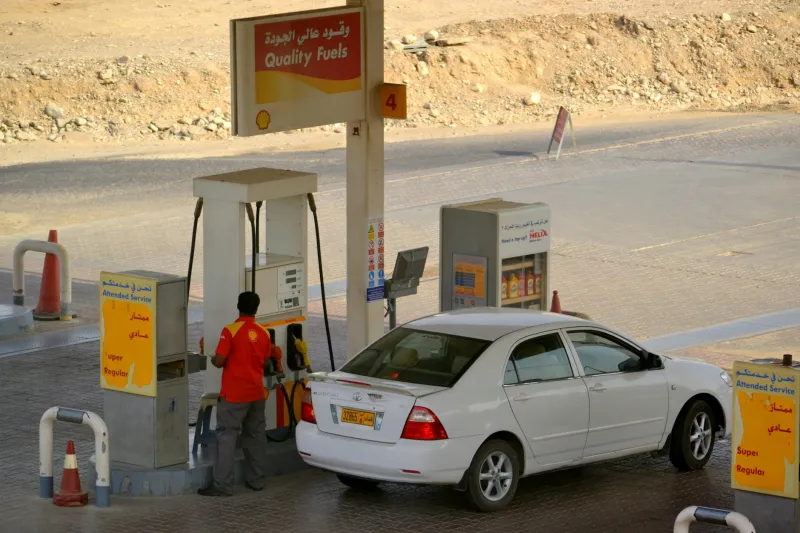
The Choreographed Dance of Full Service
Pull into any Texaco station in 1965, and you'd witness a carefully choreographed performance that today seems almost absurd in its attention to detail. The moment your tires crossed the service bell hose, a uniformed attendant would emerge from the garage, often jogging toward your car with genuine enthusiasm.
"Fill 'er up?" he'd ask, already unscrewing your gas cap while a second attendant appeared at your passenger window with a squeegee and bucket. As regular gasoline flowed into your tank, one man cleaned every inch of your windshield while another checked your oil, tested your tire pressure, and examined your battery terminals. All of this happened automatically, included in the price of gasoline, with no expectation of additional payment.
The entire ritual took about eight minutes and ended with the attendant replacing your gas cap, accepting payment, and often providing directions or local recommendations if you weren't from around town. You never left your car, never touched a pump, and never wondered if you'd done something wrong.
The Economics of Pampering
This level of service wasn't charity — it was smart business. Gas stations in the 1950s and 60s competed primarily on service rather than price, because gasoline prices were regulated and remarkably uniform. A gallon of regular cost about the same whether you bought it from Exxon, Shell, or the local independent station.
With price competition eliminated, stations competed on amenities. They offered free road maps, clean restrooms, and mechanical services. Many stations employed three or four full-time attendants, plus mechanics who could perform oil changes, tune-ups, and minor repairs while you waited. These weren't minimum-wage jobs — experienced attendants earned middle-class salaries and took pride in their customer service skills.
Station owners understood that loyal customers were worth far more than one-time visitors. Regular customers received credit accounts, seasonal tire storage, and sometimes even small loans during tough times. The attendant knew your name, your car's quirks, and often your family situation.
The 1973 Crisis That Changed Everything
The Arab oil embargo of 1973 shattered this service-oriented model almost overnight. As gasoline prices doubled and supplies became uncertain, American drivers suddenly cared more about finding any gas than finding good service. Long lines formed at stations, and the leisurely pace of full service became a liability when dozens of cars were waiting.
Self-service pumps, which had existed since the 1960s but remained rare, suddenly seemed like a solution. They were faster, required fewer employees, and most importantly, allowed stations to offer gas at slightly lower prices. In a crisis where every penny mattered, the choice between full service at 65 cents per gallon and self-service at 62 cents wasn't really a choice at all.
The Regulatory Roadblock
The transition wasn't smooth everywhere. New Jersey had banned self-service gasoline in 1949, citing safety concerns and job protection. Oregon followed with similar restrictions in 1951. These laws, originally designed to protect consumers from dangerous gasoline vapors and preserve employment, suddenly made these states islands of full service in an increasingly self-service world.
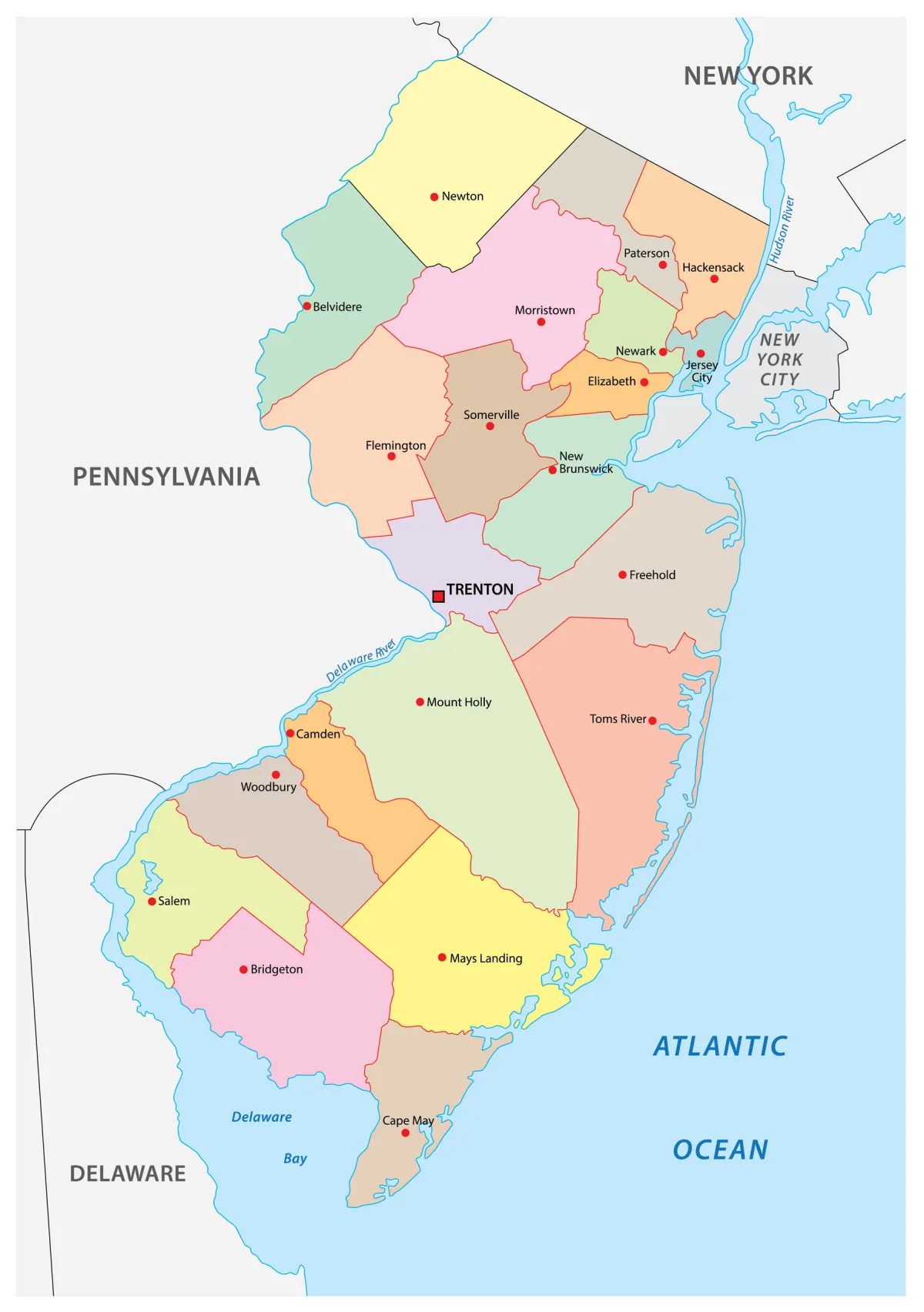 Photo: New Jersey, via www.worldatlas.com
The safety arguments weren't entirely unfounded. Early gasoline pumps lacked the sophisticated vapor recovery systems and automatic shut-offs that make today's self-service pumps relatively safe. Static electricity, smoking, and simple human error caused dozens of gas station fires each year. Professional attendants received training in safe fuel handling that ordinary drivers lacked.
But as pump technology improved and safety features became standard, these arguments grew weaker. Today, New Jersey and Oregon remain the only states with comprehensive self-service bans, though both have gradually allowed exceptions for certain circumstances.
The Lost Art of Automotive Hospitality
What disappeared wasn't just the service itself, but an entire culture of automotive hospitality that had defined American road travel for decades. Gas stations were social hubs where travelers could get reliable information about road conditions, local attractions, and mechanical problems.
Attendants served as informal ambassadors for their communities, often providing directions that included local landmarks ("Turn right at the big oak tree") and recommendations for restaurants or motels. This local knowledge network was particularly valuable for long-distance travelers navigating unfamiliar territory in the era before interstate highways standardized the American road experience.
The mechanical expertise was equally valuable. Attendants could diagnose common problems, recommend preventive maintenance, and often perform minor repairs on the spot. They understood that a satisfied customer might return monthly for years, making it worthwhile to spend time ensuring their car was running properly.
The Technology That Killed Human Connection
Modern gas stations represent the triumph of efficiency over experience. Pay-at-the-pump technology, introduced in the 1980s, eliminated the need for human interaction entirely. Today's pumps are sophisticated computers that can process credit cards, print receipts, and even play advertisements while you fuel up.
The average transaction time has dropped from eight minutes to under three minutes, but something intangible was lost in the process. The pump doesn't notice that your tires look low, doesn't mention that your windshield is filthy, and certainly doesn't ask about your family or remember your name.
Convenience stores replaced service bays, shifting the profit model from automotive services to packaged food and beverages. Today's gas station attendant, if one exists at all, works behind bulletproof glass and focuses on preventing theft rather than providing service.
The Premium Service Paradox
Interestingly, full service hasn't disappeared entirely — it's just become a luxury amenity. High-end gas stations in affluent areas sometimes offer attendant service, but it's positioned as a premium option that costs 10-20 cents more per gallon. This pricing structure would have seemed backwards to drivers in 1965, when full service was simply the standard way to buy gasoline.
Some independent stations have found success by returning to full-service models, particularly in areas with older populations who remember and appreciate traditional service. These stations often develop fiercely loyal customer bases willing to pay slightly higher prices for the convenience and personal attention.
What Self-Service Really Cost Us
The shift to self-service saved American drivers billions of dollars over the decades, but it also marked a broader cultural transition away from service-oriented business models. The gas station transformation paralleled similar changes in banking (ATMs replacing tellers), grocery shopping (self-checkout replacing cashiers), and countless other industries.
We gained efficiency, convenience, and lower prices. We lost the human connections that once made routine errands into social interactions, the expertise that prevented small problems from becoming big ones, and the sense that businesses existed to serve customers rather than simply process transactions.
The uniformed attendant who once jogged toward your car with a smile has been replaced by a screen asking if you want a car wash. It's progress, certainly — but it's also a reminder that not every change represents an improvement in the human experience of daily life.