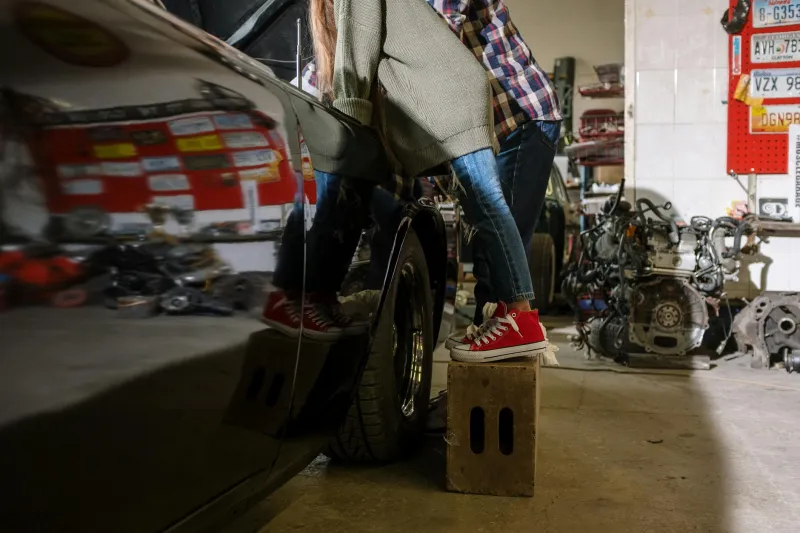
When Every Dad Was a Mechanic
Scroll through any American family photo album from the 1950s or 60s, and you'll find them: snapshots of fathers and sons hunched over open car hoods, grease-stained hands holding wrenches, teaching moments happening in driveways across the country. Back then, fixing your own car wasn't just possible—it was expected. A basic toolkit, a repair manual from the local auto parts store, and a weekend were all you needed to keep your family transportation running.
The cars themselves seemed designed for amateur mechanics. Engine bays were spacious, with clearly visible components that could be identified at a glance. A carburetor looked like a carburetor. A distributor was right where you'd expect it. If your 1965 Mustang wouldn't start, you could trace the problem through a logical sequence: spark, fuel, compression. Most issues had mechanical solutions that didn't require a computer science degree.
The Rise of Shade-Tree Engineering
America's DIY car culture wasn't just about saving money—it was about self-reliance and the satisfaction of understanding how things worked. Auto parts stores were community gathering places where knowledge flowed freely. The guy behind the counter knew which gasket would solve your oil leak, and he'd sketch out the replacement procedure on the back of your receipt.
Weekend warriors rebuilt entire engines in their garages, using equipment that today seems impossibly primitive. A basic set of wrenches, some jack stands, and maybe a borrowed engine hoist were sufficient to perform major overhauls. Car magazines like Popular Mechanics published detailed how-to articles with step-by-step photographs, treating readers like capable adults who could handle complex mechanical tasks.
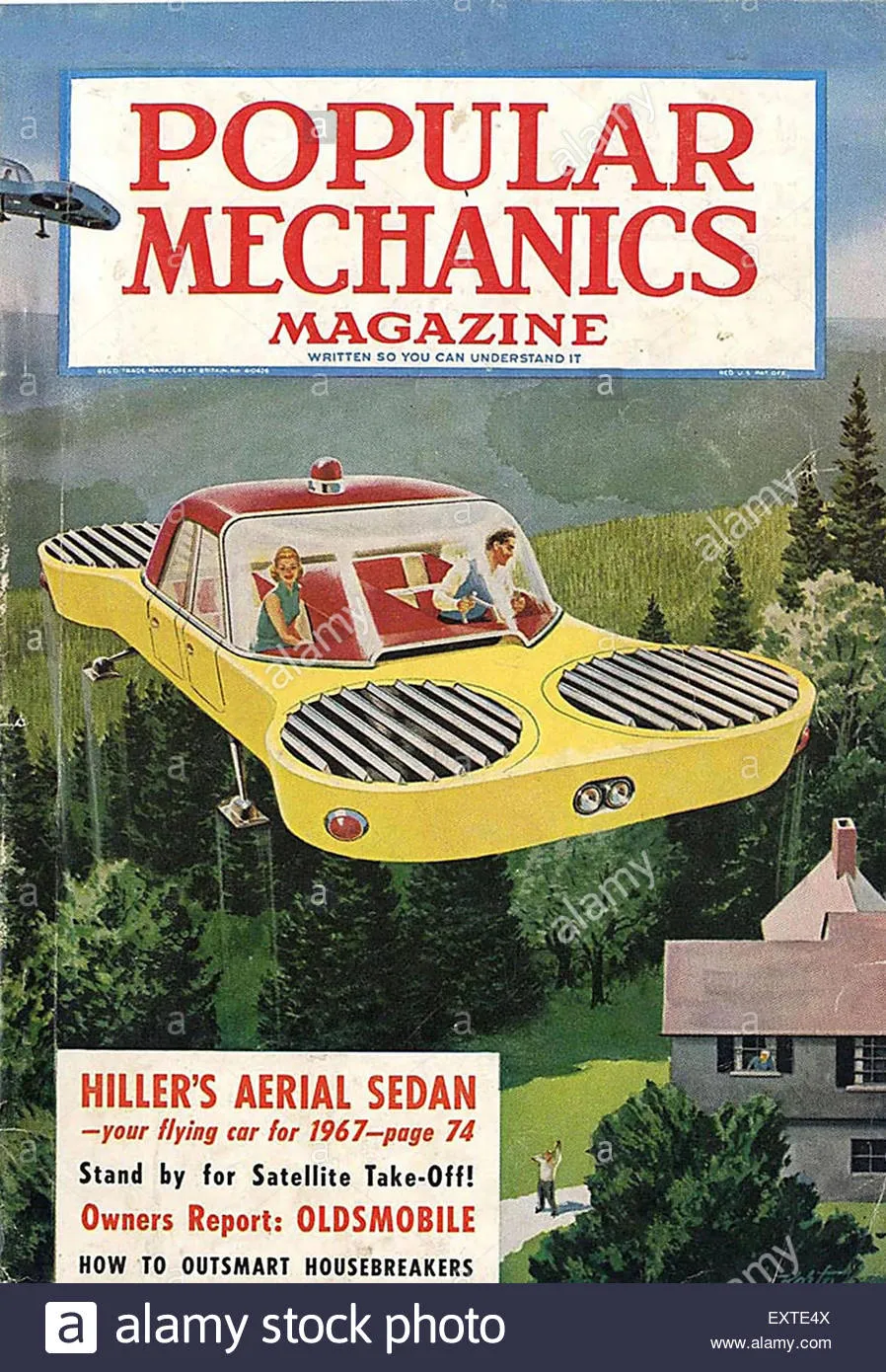 Photo: Popular Mechanics, via c8.alamy.com
The economic incentive was clear too. Labor rates at professional shops were reasonable, but parts were expensive relative to wages. A smart car owner could save serious money by doing the work themselves, and the skills transferred from one vehicle to the next. Learn to fix a Chevy, and you could handle a Ford or Plymouth with minor adjustments.
When Computers Moved Under the Hood
The transformation began subtly in the 1980s with the introduction of electronic fuel injection and basic engine management systems. At first, these changes seemed like improvements—no more adjusting carburetors, no more points and condensers to replace. Cars became more reliable and efficient, but they also became more mysterious.
By the 1990s, onboard diagnostics required specialized scan tools to communicate with engine computers. The friendly auto parts store clerk could still help with basics, but increasingly, he'd shake his head and suggest you visit a shop with proper diagnostic equipment. The gap between professional and amateur mechanics began widening from a small crack to a substantial chasm.
Today's vehicles contain dozens of interconnected computer modules controlling everything from engine timing to door locks. These systems speak in digital codes that require manufacturer-specific software to interpret. What once was mechanical has become electronic, and what was once accessible has become encrypted.
The Sealed Hood Syndrome
Walk through any modern car dealership and try to locate the dipstick on a new vehicle. On many models, you'll search in vain—manufacturers have eliminated them in favor of electronic oil life monitors. The message is clear: we'll tell you when service is needed, and we'll perform that service for you.
Engine bays that once showcased mechanical components now hide everything behind plastic covers. These aren't just aesthetic choices—they're barriers to entry. Removing the engine cover on a modern BMW requires special tools and can void warranties if done improperly. The hood still opens, but there's increasingly little underneath that owners can identify, let alone repair.
Even simple maintenance tasks have been complicated beyond reason. Changing headlight bulbs, once a five-minute job requiring no tools, now often demands removing entire bumper assemblies. Oil changes require specific tools and procedures that vary wildly between models, with some manufacturers recommending against DIY service entirely.
The Right-to-Repair Revolution
The battle lines are now drawn in courtrooms and legislative chambers across America. Right-to-repair advocates argue that consumers should have access to the same diagnostic tools, service manuals, and replacement parts that authorized dealers use. Manufacturers counter that modern vehicles are too complex and safety-critical for amateur mechanics.
The financial stakes are enormous. The average American now spends over $1,200 annually on vehicle maintenance and repairs, compared to roughly $300 (adjusted for inflation) in 1970. This isn't just about increased complexity—it's about captured markets. When only authorized dealers can perform certain services, competition disappears and prices rise accordingly.
Massachusetts voters approved a ballot measure requiring automakers to provide independent repair shops with wireless diagnostic access. Other states are considering similar legislation. The automotive industry is fighting back, claiming that opening their systems would compromise cybersecurity and safety.
What We Lost in Translation
Beyond the financial impact, something cultural died when Americans stopped fixing their own cars. Mechanical literacy was once as common as basic cooking skills. Fathers taught sons (and increasingly daughters) how engines worked, how to diagnose problems, and how to solve them with patience and ingenuity.
These weren't just practical skills—they were confidence builders. Understanding how your car worked meant understanding how the world worked. It meant believing that complex problems could be broken down into manageable components, that learning and persistence could overcome most obstacles.
The modern car owner's relationship with their vehicle is fundamentally different. Instead of partners in a mechanical dance, we're passengers in a digital mystery. When something goes wrong, we don't troubleshoot—we schedule appointments and hope our wallets can handle the diagnosis.
The New Dependency
Today's automotive service industry has evolved to fill the gap created by increasingly complex vehicles and decreasingly capable owners. Chains like Jiffy Lube and Valvoline Instant Oil Change have built empires around services that previous generations performed in their driveways. Mobile mechanics arrive at office parking lots to handle maintenance that once happened at home.
The irony is palpable: we carry more computing power in our pockets than NASA used to reach the moon, but we can't change our own oil without voiding warranties or triggering service reminder lights that require dealer reset procedures.
The gap between mechanical simplicity and digital complexity represents more than technological progress—it's a fundamental shift in the relationship between Americans and their machines. We've gained reliability and efficiency, but we've lost agency and understanding. Our grandfathers knew exactly why their cars wouldn't start and what to do about it. We know how to schedule service appointments and hope for reasonable repair bills.