When Car Colors Had Poetry — Before Marketing Killed 'Firemist Gold' for 'Space Gray'
Walk through any modern parking lot and you'll see the same depressing palette: white, black, silver, gray, and maybe a token red. But flip through a 1967 Chevrolet brochure and you'll discover an America that painted its cars like it painted its dreams — in colors called Marina Blue, Emerald Turquoise, and Rallye Green.
The gap between then and now isn't just about fewer options. It's about how we went from poetry to spreadsheets, from optimism to algorithms.
The Golden Age of Automotive Color
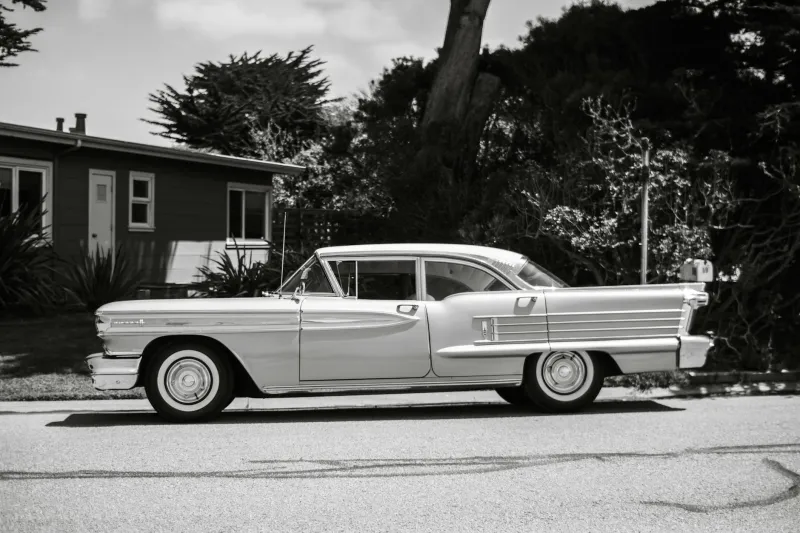
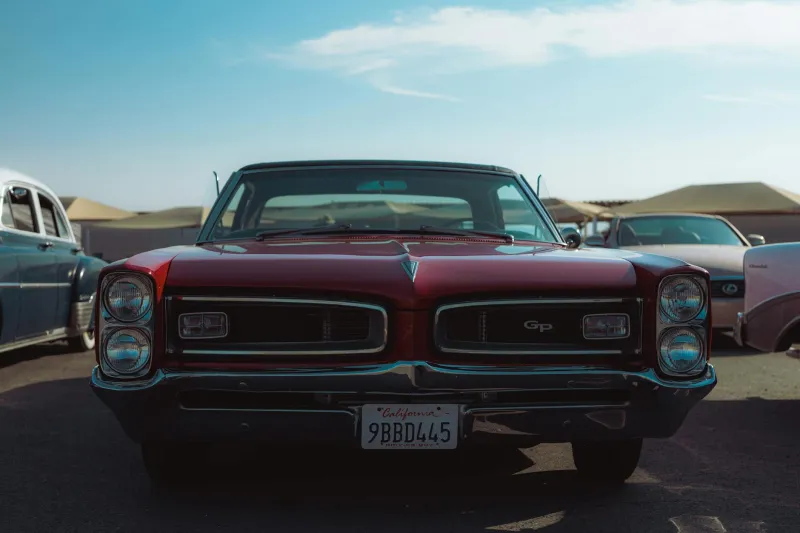
In the 1950s and 60s, choosing a car color was like picking a personality. Ford offered Flamingo Pink and Peacock Blue. Chrysler had Plum Crazy Purple and In-Violet. General Motors created an entire rainbow called Firemist — metallic paints that shifted and shimmered in the light like liquid metal.
These weren't just marketing gimmicks. They were cultural statements. Coral Sand evoked California beaches. Horizon Blue suggested endless American skies. Even the practical colors had character — Forest Green, not just "green." Championship White, not just "white."
Automakers employed teams of color specialists who studied everything from fashion trends to home décor. They'd spend months perfecting a single shade, then give it a name that captured an entire mood. The 1969 Dodge Charger came in something called "Go Mango" — a name that perfectly captured the muscle car era's bold, rebellious spirit.
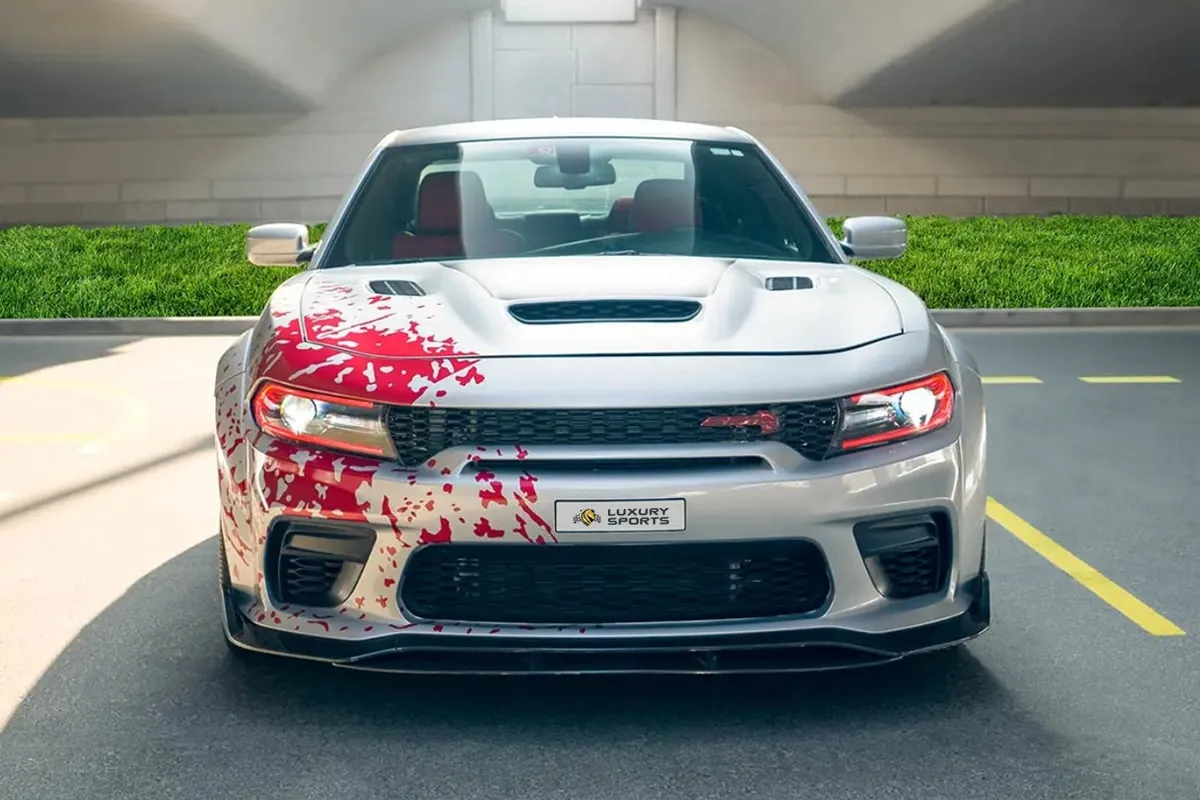 Photo: Dodge Charger, via luxurysportscar.ae
When Colors Cost Nothing Extra
Here's what might shock modern car buyers: most of these exotic colors cost the same as basic black or white. Color variety was seen as a selling point, not a profit center. Dealers kept cars in multiple hues on the lot because customers expected choice.
A middle-class family could roll up to a Buick dealer and choose from Antique Gold, Bamboo Cream, or Autumn Bronze without paying a premium. The idea that certain colors would cost extra — sometimes thousands extra — would have seemed absurd.
The Beige-ing of America
The shift started in the late 1970s with fuel crises and economic uncertainty. Suddenly, flashy colors felt frivolous. Silver and beige became symbols of practicality and good sense. By the 1980s, the palette was shrinking fast.
But the real killer was the rise of global manufacturing and lease returns. When cars became commodities traded on international markets, exotic colors became liabilities. A Plum Crazy Purple Challenger might thrill its first owner, but it was poison on the used car lot.
Leasing accelerated the trend. Why risk a bold color when you'd have to return the car in three years? Better to play it safe with silver or white — colors that wouldn't hurt resale value.
The Clinical Modern Era
Today's car colors sound like they were named by tech companies, not poets. Tesla offers "Pearl White Multi-Coat" and "Midnight Silver Metallic." BMW has "Mineral Grey Metallic" and "Storm Bay." Even when automakers try to be creative, they default to tech-speak: "Nardo Gray," "Quantum Silver," "Digital Teal."
The names reflect our culture's shift from emotional to rational, from expressive to efficient. We don't want our cars to evoke sunsets anymore — we want them to sound sophisticated and resale-friendly.
Worse, manufacturers now charge premium prices for what used to be standard variety. Want BMW's "Tanzanite Blue"? That'll be $550 extra. Mercedes' "Designo Cardinal Red"? Add $3,200 to your bill. We're paying more for less choice, and the choices we get have all the poetry of a software manual.
What We Lost in Translation
The death of colorful car names mirrors something larger — the corporatization of American culture. Those old names reflected regional identity, cultural optimism, and genuine creativity. When Chrysler called a color "In-Violet," they were making a pun. When Ford offered "Springtime Yellow," they were selling hope.
Modern color names are focus-grouped and internationalized, designed to offend no one and inspire no one. They're safe, predictable, and utterly forgettable — just like the colors themselves.
The Parking Lot Mirror
Look at any parking lot today and you're looking at America's relationship with risk and self-expression. We've chosen safety over personality, resale value over personal taste. Our cars have become appliances — efficient, reliable, and about as emotionally engaging as a refrigerator.
The companies haven't helped. By making interesting colors expensive and rare, they've trained us to accept monotony as normal. We've internalized the idea that a car's color doesn't matter, that it's somehow frivolous to care about such things.
But color always mattered. It was how we told the world who we were, what we valued, how we saw ourselves. When we gave up Firemist Gold for Space Gray, we didn't just change our cars — we changed our culture.
The gap between then and now isn't just about automotive paint. It's about the difference between a country that saw cars as canvases for dreams and one that sees them as investments to be managed. We gained efficiency and lost our souls, one boring color at a time.