The Golden Age of Automotive Personality
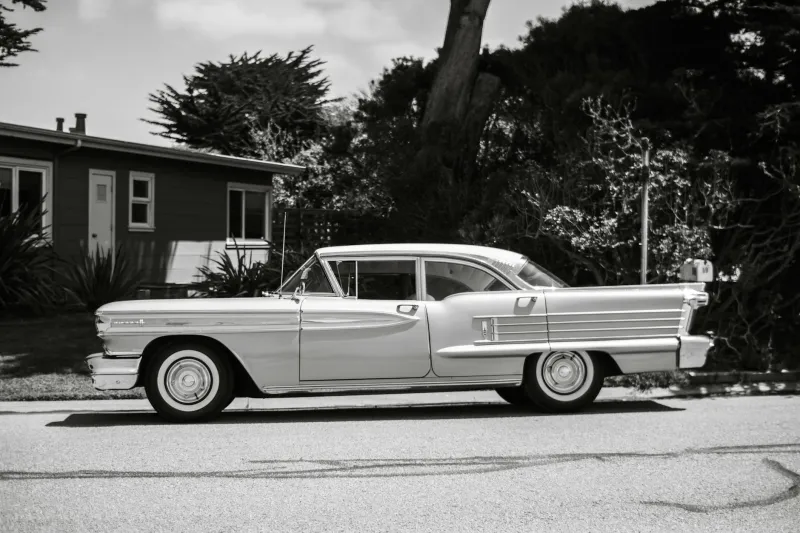
Pull up a photograph from any American suburb in 1958, and you'll see something that would shock modern eyes: color everywhere. Driveways bloomed with two-tone Buicks in mint green and cream, cherry red Chevrolets that gleamed like candy, and Cadillacs painted in shades that had names like "Firemist Copper" and "Aztec Bronze." Car lots looked like rainbow explosions, and choosing your vehicle's color was as personal as picking your wedding dress.
Back then, Detroit's Big Three employed teams of color specialists who studied everything from fashion trends to interior design. They knew that Americans wanted their cars to reflect their personalities, their aspirations, and their place in the social pecking order. A businessman might choose conservative black, but his wife's station wagon could be bubble-gum pink with white sidewall tires.
When Computers Started Choosing Colors
Somewhere between the oil crises of the 1970s and the rise of global manufacturing, something fundamental shifted. Car colors stopped being about personal expression and started being about data points. Today, sophisticated algorithms analyze depreciation curves, regional preferences, and fleet purchasing patterns to determine which colors get the green light for production.
The numbers tell a stark story. In 1955, you could walk into a Chevrolet dealer and choose from 14 different exterior colors. Today, that same brand offers maybe six options on most models, and three of them are variations of gray. The automotive industry calls this "color rationalization," but what they really mean is that computers have decided variety doesn't pay.
The Rise of the Resale Value Dictatorship
Modern car buyers live under the tyranny of resale value calculations. Every automotive website, from Kelley Blue Book to Edmunds, warns that choosing an unusual color will cost you thousands when it's time to trade in. "Stick with white, black, or silver," they advise, "unless you want to take a bath on depreciation."
This wasn't always the case. In 1962, a turquoise and white Ford Fairlane held its value just as well as a black one. Colors were seen as features, not financial liabilities. The shift happened gradually as used car lots consolidated, fleet buyers gained influence, and three-year lease cycles became the norm. Suddenly, cars needed to appeal not just to their original buyers, but to hypothetical future owners who supposedly preferred boring.
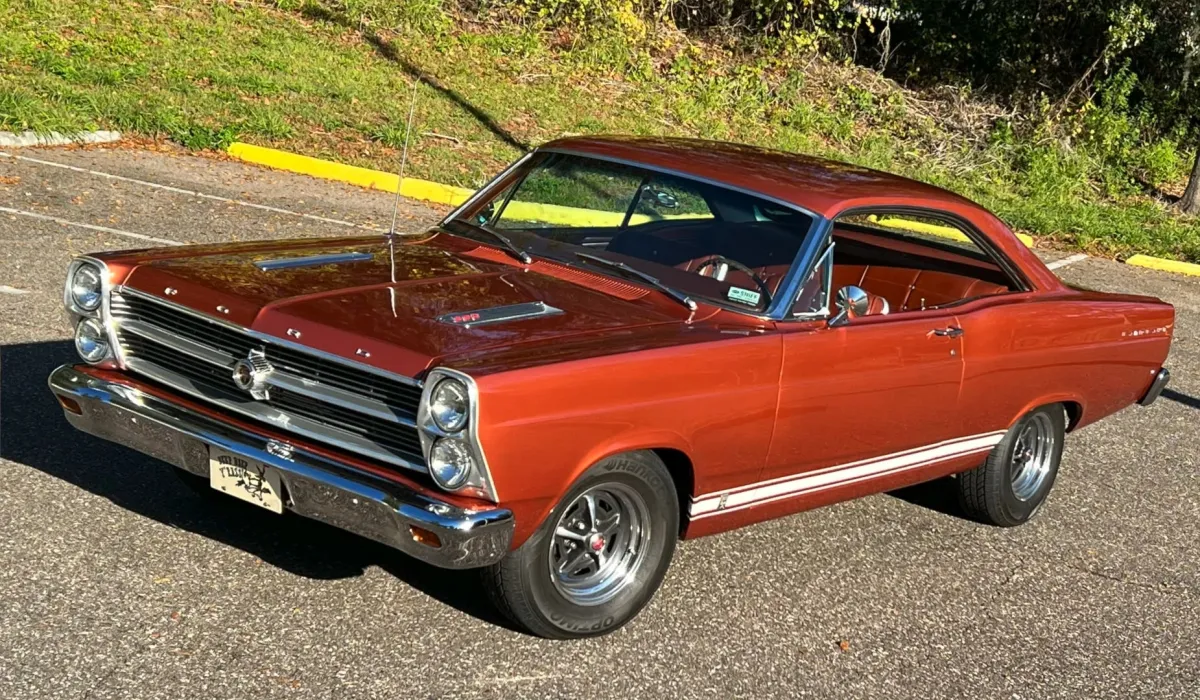 Photo: Ford Fairlane, via s1.cdn.autoevolution.com
The Fleet Effect
Corporate fleet purchasing has quietly homogenized America's roads. When Enterprise, Hertz, and Avis place orders for 50,000 vehicles at a time, they don't request "Grabber Blue" or "Screaming Yellow." They want colors that won't offend business travelers or show dirt during short rental periods. Since fleet sales now represent nearly 20% of all new car purchases, manufacturers cater to these bulk buyers' conservative tastes.
The same logic applies to ride-sharing vehicles. Uber and Lyft drivers quickly learned that neutral colors photograph better in apps and don't clash with passengers' expectations. A hot pink Toyota Camry might stand out in traffic, but it also stands out as "unprofessional" in the gig economy.
Manufacturing's Global Grayscale
Global manufacturing has dealt the final blow to automotive individuality. When Ford builds the same model in Mexico, Germany, and Thailand, using dozens of different colors becomes logistically nightmarish. Paint shops must stock pigments, train workers on multiple processes, and manage inventory for low-volume colors that might sell well in Detroit but terribly in Denver.
The solution? Stick to what works everywhere. White paint hides manufacturing defects and looks clean in marketing photos. Silver doesn't show scratches as easily. Gray splits the difference between black and white, offending nobody while exciting no one.
What We Lost When We Stopped Choosing
The death of automotive color variety represents something larger than mere aesthetics. For three generations of Americans, your car's color was a form of self-expression as important as your clothes or your home's exterior paint. It said something about your personality, your mood, your willingness to stand out or blend in.
Today's car buyers have been trained to think practically rather than emotionally about color. We've internalized the message that choosing "Velocity Blue" over "Magnetic Gray" is financially irresponsible. We've accepted that algorithms know better than we do about what looks good in our driveways.
The Numbers Don't Lie
The statistics are sobering. According to automotive color surveys, 77% of all vehicles sold in America today are white, black, gray, or silver. In 1962, those same four colors accounted for less than 30% of sales. We've gone from a nation that embraced automotive personality to one that fears it.
Drive through any modern suburb and count the colors you see. Chances are, you'll run out of fingers before you run out of shades of gray. We've traded the visual excitement of mid-century America for the supposed financial security of algorithmic approval.
The gap between then and now isn't just about paint—it's about the space between personal expression and market optimization, between human choice and computer logic. And in that gap, we've lost something that made American roads a little more interesting, a little more human, and a lot more colorful.