Every American Car Came With Four Ashtrays and Two Lighters — Now You Can't Even Find a Cigarette Butt
Every American Car Came With Four Ashtrays and Two Lighters — Now You Can't Even Find a Cigarette Butt
Walk through a 1970s car dealership and you'd notice something that seems impossible today: salespeople bragging about ashtrays. Not horsepower, not fuel economy — ashtrays. The chrome-lined ones in the Cadillac. The spring-loaded models in the Lincoln. The way Chrysler's ashtrays slid out so smoothly you could operate them with one finger while keeping your eyes on the road.
This wasn't quirky marketing. It was essential equipment for American drivers.
When Smoking Was Part of Driving
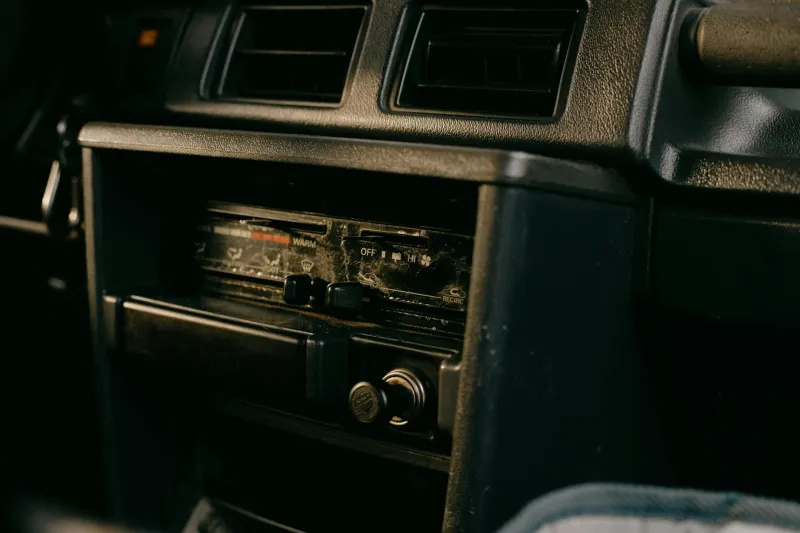
In 1965, nearly half of American adults smoked cigarettes. Behind the wheel was no exception. Cars weren't just transportation — they were mobile smoking lounges. Every new vehicle rolled off the assembly line with ashtrays built into each door, the dashboard, and the rear seat area. Premium models included multiple cigarette lighters, positioned so every passenger could light up without reaching across the car.
Detroit's automakers didn't just accommodate smoking; they celebrated it. Buick advertised ashtrays that "stayed cool to the touch." Ford promoted lighters that worked "even at highway speeds." Pontiac developed ashtrays with built-in snuffers that extinguished cigarettes automatically when you closed the lid.
The ritual was deeply embedded in American driving culture. Lighting a cigarette at a red light. Sharing a smoke during long road trips. Rolling down the window to flick ash onto the highway. For millions of Americans, driving and smoking were inseparable activities.
The Engineering of Habit
Car manufacturers invested serious engineering resources in smoking accessories. General Motors employed teams of designers whose sole job was perfecting the ashtray experience. They studied how drivers held cigarettes while steering. They tested different spring mechanisms for ashtray doors. They developed heat-resistant materials that wouldn't crack under the constant exposure to burning tobacco.
Luxury vehicles took it further. Some Cadillacs featured ashtrays with individual LED lights. Lincoln offered models with built-in air circulation systems designed specifically to manage cigarette smoke. Chrysler's Imperial included ashtrays that were actually small drawers, lined with felt and designed to slide out completely for easy cleaning.
The cigarette lighter itself became a symbol of automotive sophistication. The satisfying click when you pushed it in. The orange glow when it heated up. The perfect fit in your palm when you pulled it out. These weren't afterthoughts — they were carefully engineered user experiences.
Cultural Shift Begins
The transformation started slowly in the 1980s. Health awareness campaigns began changing American attitudes toward smoking. Airlines banned cigarettes. Restaurants created non-smoking sections. But cars remained a holdout, a private space where smoking felt natural and acceptable.
Automakers initially resisted change. Focus groups showed that many customers still expected ashtrays, even if they didn't smoke themselves. "What if I have passengers who smoke?" was a common concern. Removing ashtrays felt like removing cup holders — taking away basic functionality that drivers expected.
But the writing was on the wall. Smoking rates among younger Americans were plummeting. New car buyers increasingly viewed cigarettes as outdated and unhealthy. The cultural tide was turning.
The Complete Vanishing Act
By the early 2000s, ashtrays began disappearing from American cars. First, they became optional equipment rather than standard features. Then they vanished entirely from most models. Cigarette lighters evolved into "power outlets" for phones and GPS devices. The 12-volt socket remained, but its original purpose was forgotten.
Today's car interiors tell a completely different story. Air purification systems promise to remove microscopic particles. Cabin air filters block outside pollutants. Some luxury vehicles include ionization systems that actively clean the air you breathe. The idea of deliberately introducing smoke into this carefully controlled environment seems not just unhealthy but absurd.
What Changed Everything
The transformation wasn't just about health awareness. It reflected a fundamental shift in how Americans think about personal space and social responsibility. Smoking in cars became associated with inconsiderate behavior — subjecting passengers to secondhand smoke, creating odors that lingered for years, potentially distracting drivers from the road.
Car rental companies accelerated the change by implementing strict no-smoking policies and hefty cleaning fees for violations. Used car dealers began advertising vehicles as "smoke-free" as a selling point. Insurance companies started asking about smoking habits, recognizing the correlation between cigarette use and accident rates.
The Now Gap
Today's drivers would be shocked by a 1970s car interior. Four ashtrays? Two lighters? It seems excessive, almost comical. But for the Americans who lived through that era, smoking while driving was as natural as adjusting the radio or checking the mirrors.
The speed of this cultural transformation is remarkable. In just three decades, something that was universal became unthinkable. Cars went from celebrating smoking to actively fighting against it. The gap between then and now isn't just about health knowledge — it's about how quickly social norms can completely reverse themselves.
Walk through a modern car dealership today, and salespeople brag about air filtration systems instead of ashtrays. The message is clear: the air inside your car should be cleaner than the air outside. It's a complete inversion of priorities that would have seemed impossible to the Americans who once demanded four ashtrays and couldn't imagine driving without them.