The Now Gap Home

Category

Culture

37 articles

The Station Wagon Was a Rolling Pinball Machine — And We Called It Family Travel

The Station Wagon Was a Rolling Pinball Machine — And We Called It Family Travel

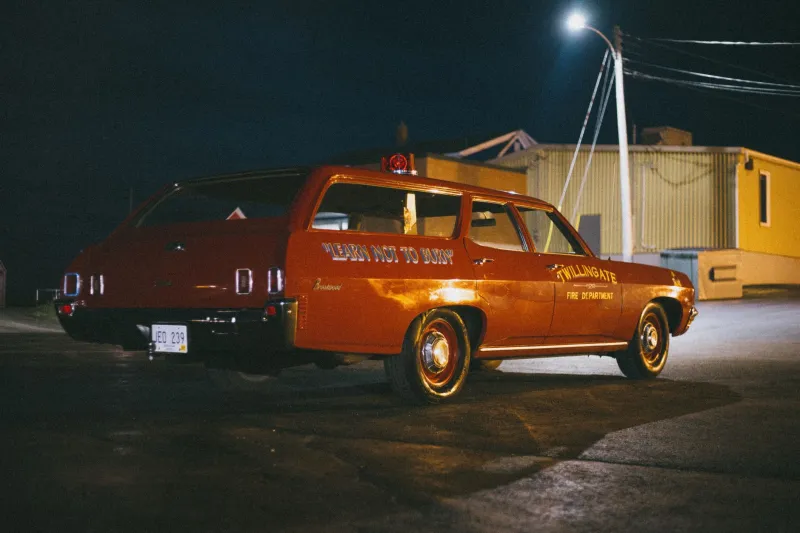
For two decades, American children bounced around the back of station wagons like loose cargo, and not a single adult thought twice about it. No harnesses, no inspections, no regulations — just open road and a prayer. The gap between how we traveled then and the safety standards we demand today is almost impossible to believe.
Detroit Made Cars That Dissolved in the Rain — Until Japan Quietly Changed Everything

Detroit Made Cars That Dissolved in the Rain — Until Japan Quietly Changed Everything

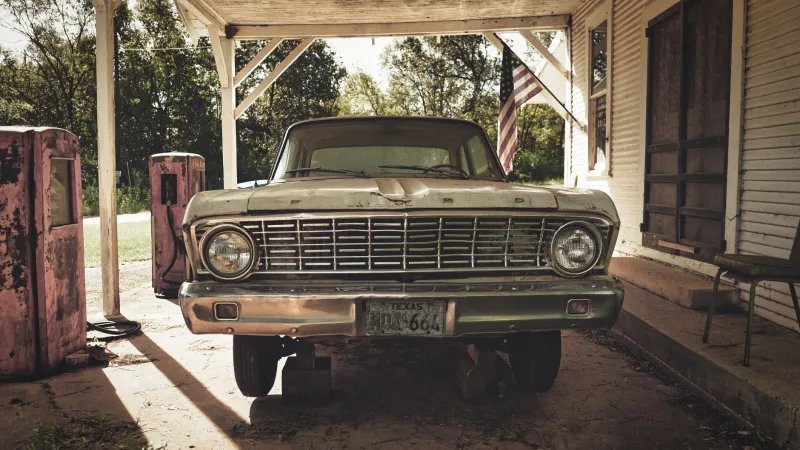
Postwar American cars were essentially metal appliances with a five-year shelf life — built to be replaced, not preserved. While Detroit was celebrating planned obsolescence, Japanese automakers were quietly engineering vehicles that refused to fall apart. What happened next reshaped everything Americans thought they knew about what a car was supposed to be.

The Station Wagon Didn't Die — It Just Got a Makeover and a Soccer Schedule

The Station Wagon Didn't Die — It Just Got a Makeover and a Soccer Schedule

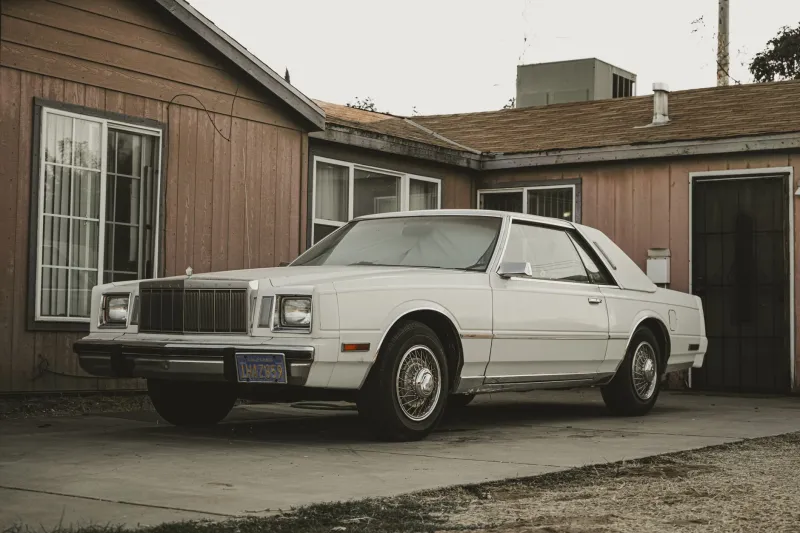
For a generation of American kids, the family station wagon was the only world that mattered — all eight seats, fake wood paneling, and zero apologies. Then Chrysler showed up in 1984 with a sliding door and changed everything. What each vehicle said about the American family turns out to be more revealing than anyone expected.

The Horn Was Once a Warning. Now It's a Weapon.

The Horn Was Once a Warning. Now It's a Weapon.

A hundred years ago, the car horn had one job: keep people from dying. There were rules about when to use it, and drivers mostly followed them. Somewhere between then and now, the horn became a universal remote for human frustration — and the road became a lot less civil because of it.

Chrome Dreams and Clay Hands — Before Software Decided What Beautiful Looked Like

Chrome Dreams and Clay Hands — Before Software Decided What Beautiful Looked Like

In the 1940s and '50s, automotive designers sculpted cars by hand — producing fender skirts, hood ornaments, and tail fins that turned every driveway into a gallery. Today, algorithms and wind tunnels have replaced human instinct, and our cars are more efficient, more aerodynamic, and far less interesting. Something got optimized out of existence.

Your Car's Windshield Used to Blind You in the Rain — Until a Woman Changed Everything

Your Car's Windshield Used to Blind You in the Rain — Until a Woman Changed Everything

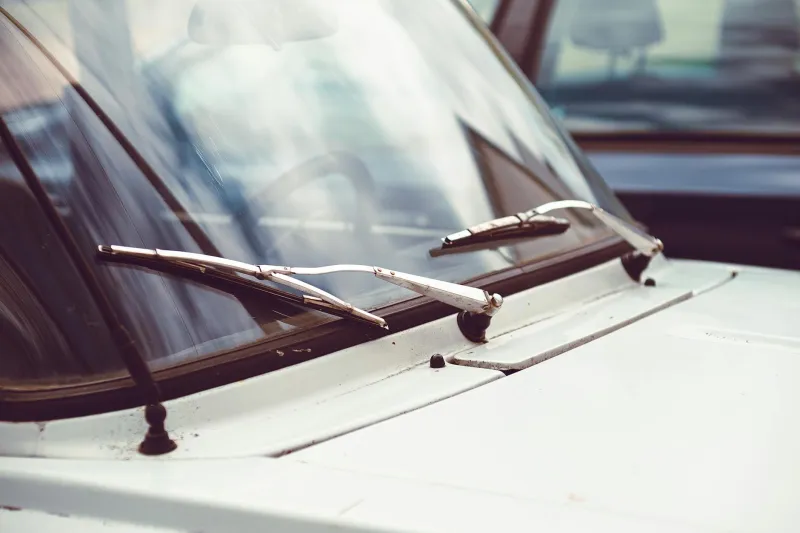
In 1903, Mary Anderson watched a streetcar conductor struggle to see through his snow-covered windshield and invented the windshield wiper. What started as a hand-cranked curiosity that drivers had to pay extra for became so essential it's now illegal to drive without them — and your car operates them without you even thinking about it.
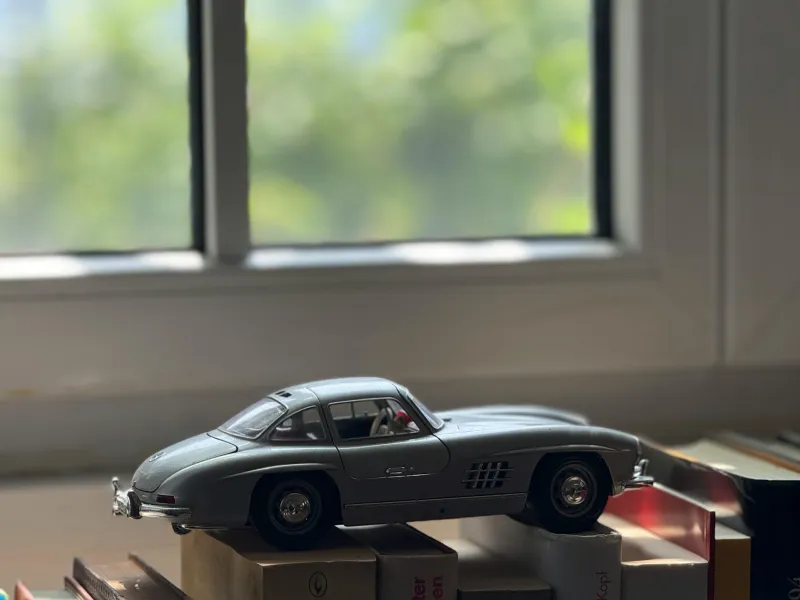
When Every Car Was Black — And Nobody Complained About It

When Every Car Was Black — And Nobody Complained About It

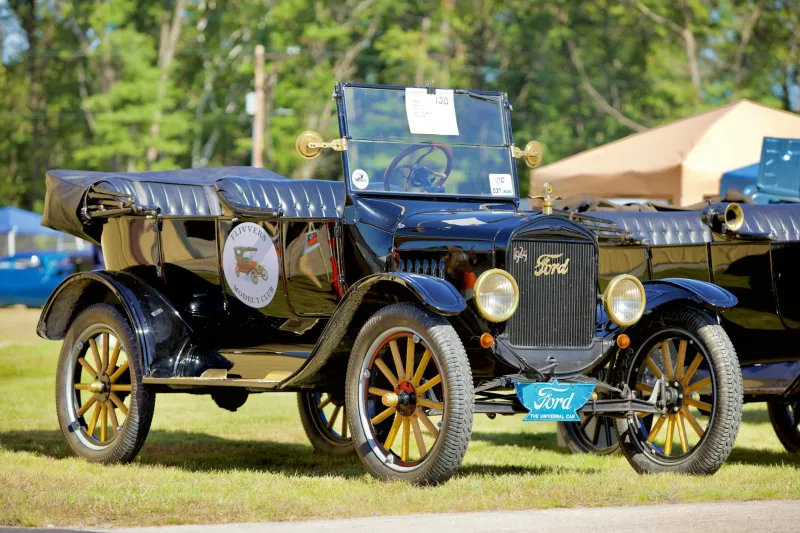
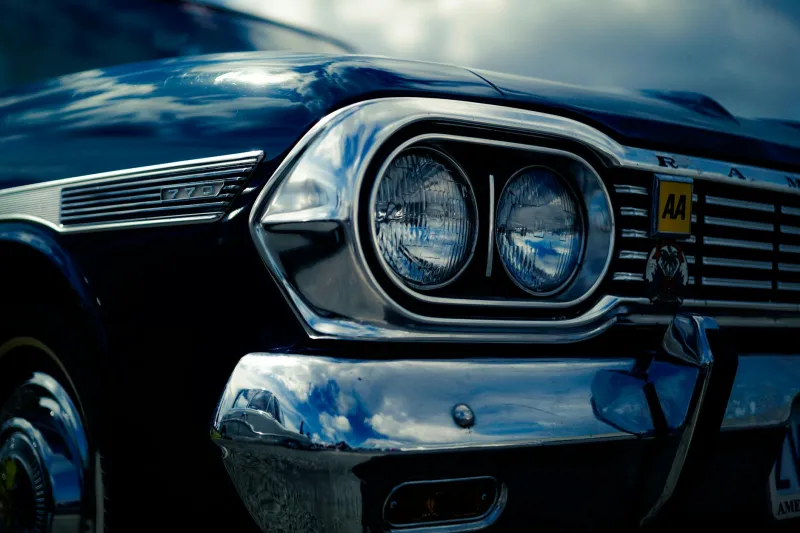
Henry Ford's famous declaration that customers could have any color they wanted, as long as it was black, wasn't just a quip — it was the reality for millions of Americans. Today's rainbow of automotive finishes would have seemed like science fiction to drivers who considered themselves lucky just to own four wheels.

Nobody Buckled Up — And the Death Toll Was Staggering

Nobody Buckled Up — And the Death Toll Was Staggering

In your grandfather's era, climbing into a car with no seatbelt, no airbag, and a steel dashboard aimed straight at your face was just Tuesday. The story of how America finally got serious about car safety is wilder — and more human — than most people realize.

Buying a Car Once Took Days of Your Life. Now It Can Take Minutes.

Buying a Car Once Took Days of Your Life. Now It Can Take Minutes.

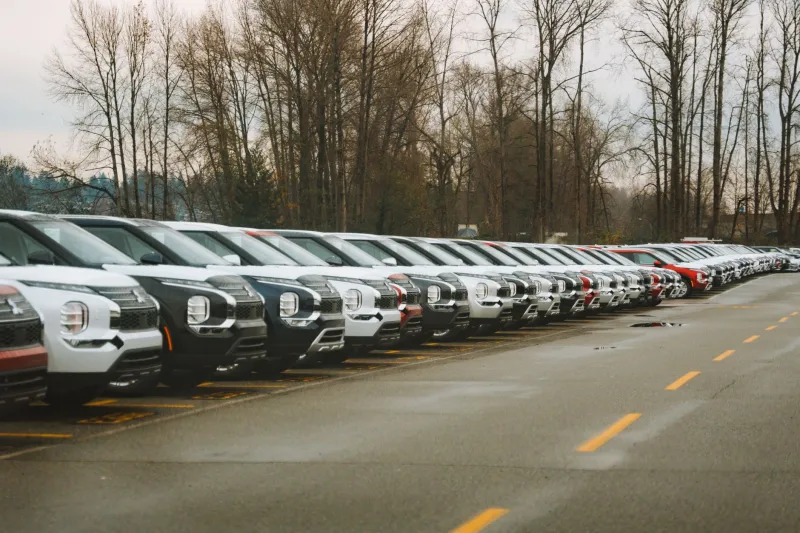
Not long ago, purchasing a new car meant surrendering entire days to a dealership floor — enduring high-pressure tactics, mysterious pricing, and enough paperwork to wallpaper a living room. Today, you can configure, finance, and schedule delivery from your couch. The power shift between buyer and seller is one of the most dramatic reversals in American consumer history.