Detroit Built Land Yachts That Drank Gas Like Water — Then Reality Hit Like a Freight Train

When Bigger Was Always Better
In 1973, the Cadillac Eldorado weighed 5,195 pounds — more than some modern pickup trucks. Stretching nearly 19 feet from bumper to bumper, it was a rolling testament to American excess, powered by an 8.2-liter V8 engine that delivered roughly 8 miles per gallon in city driving.
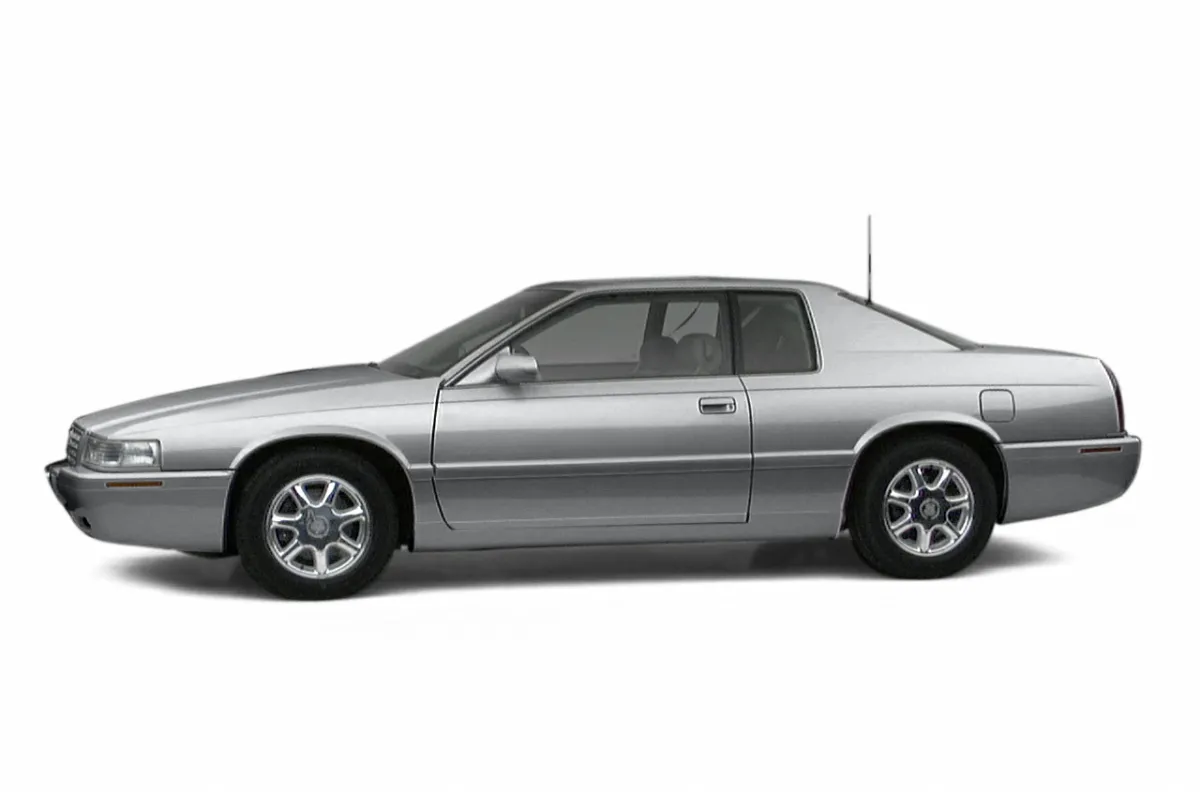 Photo: Cadillac Eldorado, via platform.cstatic-images.com
Nobody cared about fuel economy because nobody had to.
For three decades after World War II, American automakers operated under a simple philosophy: bigger was better, and gas was cheap. The average full-size sedan in 1970 weighed 4,200 pounds. Luxury cars routinely topped 4,800 pounds. These weren't vehicles — they were statements about American prosperity, rolling down highways at a steady 12 miles per gallon.
Detroit's engineers focused on comfort, style, and power. Weight was irrelevant when gasoline cost 36 cents per gallon and the typical American family earned enough to fill their tank without thinking twice. Cars grew longer, wider, and heavier with each model year, loaded with power steering, air conditioning, and enough steel to build a small bridge.
The Shock That Changed Everything
On October 17, 1973, everything changed.
The Organization of Arab Petroleum Exporting Countries declared an oil embargo against the United States, cutting off the supply of cheap crude that had fueled America's automotive appetite. Within months, gas prices quadrupled. Lines at gas stations stretched for blocks. The federal government imposed a national speed limit of 55 mph to conserve fuel.
Suddenly, that 5,000-pound Cadillac wasn't a symbol of success — it was a liability. Americans who had never considered fuel economy were doing math at gas pumps, calculating whether they could afford to drive to work.
The crisis wasn't just about higher prices. It was about availability. Gas stations ran dry. "No Gas" signs appeared across suburban America. For the first time since World War II, Americans faced the possibility that their cars might be too expensive to operate.
Detroit's Crash Diet Begins
The transformation was swift and dramatic. Automakers that had spent decades perfecting the art of building heavy, powerful cars suddenly needed to engineer lightweight, efficient vehicles — fast.
The 1975 model year marked the beginning of Detroit's great downsizing. The Ford LTD, which had weighed 4,543 pounds in 1973, was redesigned and emerged in 1979 weighing 3,765 pounds — a reduction of nearly 800 pounds. General Motors went even further, shrinking their full-size cars by over 1,000 pounds between 1976 and 1977.
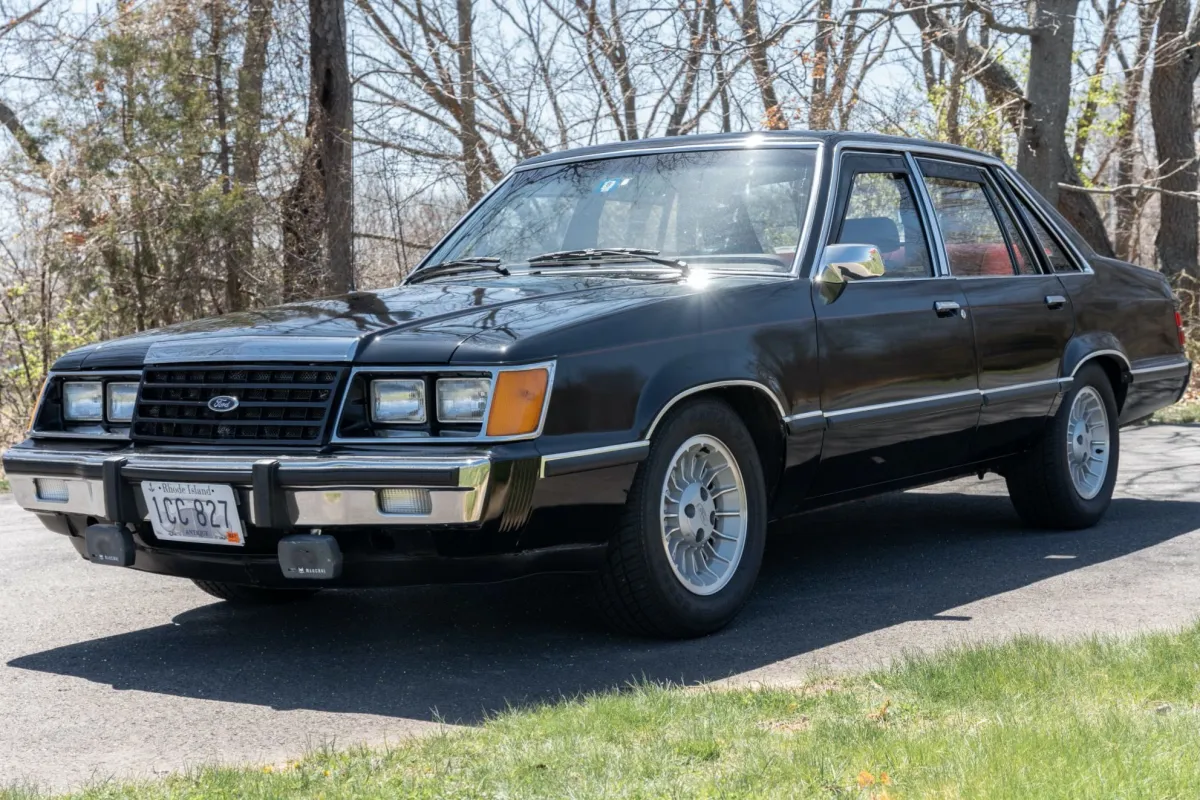 Photo: Ford LTD, via images.classic.com
Cadillac's transformation was the most dramatic. The 1977 DeVille weighed 1,000 pounds less than its 1976 predecessor. The company that had built the heaviest cars in America was suddenly advertising weight reduction as a selling point.
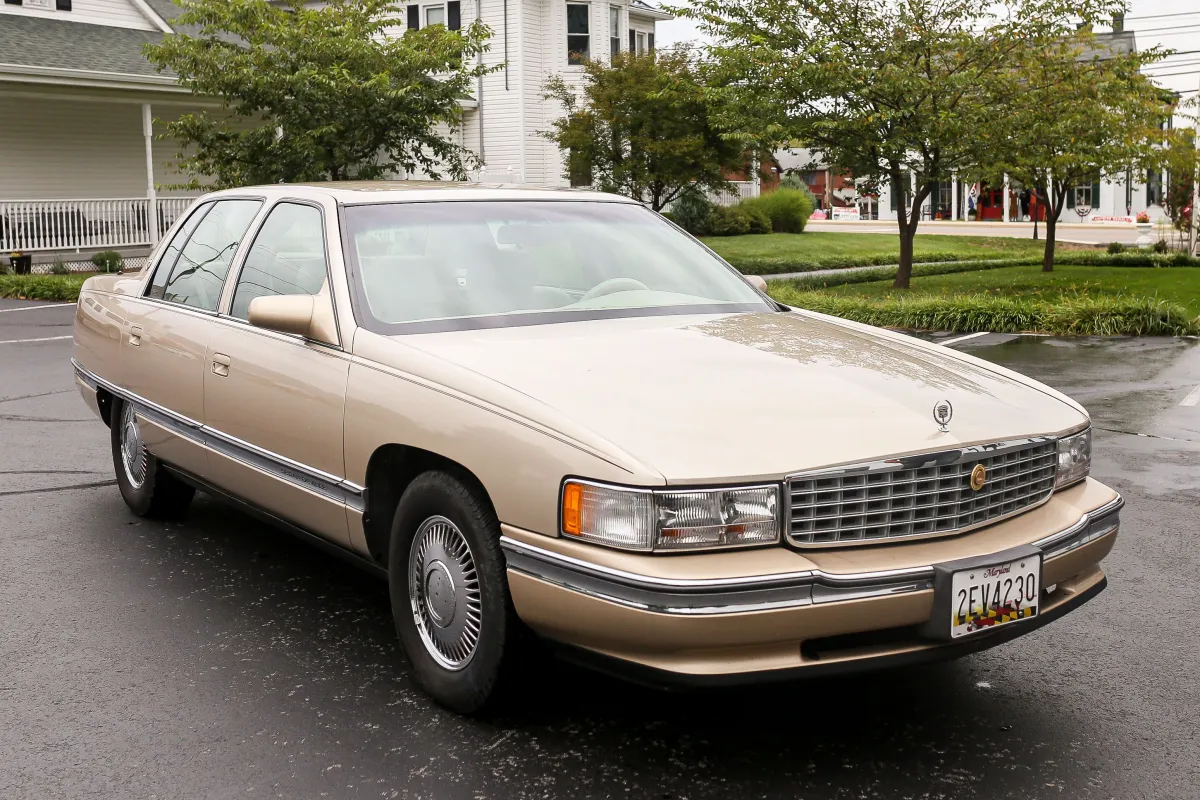 Photo: Cadillac DeVille, via thumbor-production-auction.hemmings.com
The Science of Getting Lighter
Engineers attacked weight from every angle. They replaced solid steel components with hollow ones. They substituted aluminum for steel wherever possible. They redesigned frames and body panels to use less material while maintaining structural integrity.
The changes went beyond materials. Engines shrank dramatically. The massive V8s that had powered 1960s muscle cars gave way to smaller, more efficient six-cylinder engines. Chrysler introduced the first modern four-cylinder engine in a full-size American car since the 1920s.
Transmissions evolved too. The three-speed automatics that had been standard for decades were replaced with four-speed units that kept engines operating in more efficient ranges. Every component was scrutinized for weight reduction potential.
Government Steps In
Congress formalized the transformation with the Corporate Average Fuel Economy (CAFE) standards in 1975. For the first time, federal law mandated that automakers achieve specific fuel economy targets across their entire fleet.
The initial target was modest — 18 miles per gallon by 1978 — but it forced systematic change. Automakers could no longer build whatever they wanted; they had to balance their heavy, profitable luxury cars with lighter, more efficient models to meet fleet-wide averages.
Cafe standards created an engineering arms race focused on efficiency rather than power. Weight became the enemy. Every pound removed from a car improved fuel economy, helping manufacturers meet federal requirements while avoiding hefty fines.
The Numbers Tell the Story
The statistical transformation was remarkable. Between 1975 and 1985, the average weight of American cars dropped by nearly 1,000 pounds. Fuel economy doubled from an average of 13.5 mpg in 1975 to 27.5 mpg by 1985.
Specific models show the dramatic change:
- The Chevrolet Impala went from 4,720 pounds in 1973 to 3,543 pounds in 1977
- Ford's full-size cars shed over 900 pounds between 1978 and 1979
- Even luxury brands like Lincoln reduced their flagship sedan by 800 pounds
These weren't minor adjustments — they represented fundamental redesigns of vehicles that had grown progressively heavier for three decades.
The Unintended Consequences
The rapid weight reduction created new problems. Early attempts at downsizing often sacrificed build quality for efficiency. Cars from the late 1970s and early 1980s developed reputations for poor reliability as manufacturers rushed lightweight designs to market.
Consumer acceptance proved challenging. Americans had equated weight with quality, size with status. The new lighter cars felt flimsy compared to their predecessors. Road noise increased. Ride quality suffered. Many buyers felt like they were paying the same price for less car.
Some manufacturers overcorrected. The Cadillac Cimarron, introduced in 1982, was essentially a Chevrolet Cavalier with luxury trim — a transparent attempt to meet CAFE standards that damaged Cadillac's reputation for decades.
Coming Full Circle
Today's automotive landscape reveals an ironic twist. Modern pickup trucks and SUVs have crept back toward the weights that scandalized Americans in 1973. A 2024 Ford F-150 SuperCrew weighs up to 5,684 pounds — heavier than that infamous 1973 Cadillac Eldorado.
The difference is efficiency technology. Modern engines extract more power from less fuel, sophisticated transmissions optimize performance across driving conditions, and aerodynamic designs reduce energy waste. A 5,000-pound truck today achieves better fuel economy than a 3,000-pound car from 1985.
But the fundamental lesson remains: external shocks can transform entire industries overnight. The oil crisis of 1973 didn't just change car weights — it permanently altered how Americans think about transportation, efficiency, and the relationship between size and value.
Detroit's crash diet proved that even the most established industries can reinvent themselves when circumstances demand it. The question isn't whether change is possible — it's whether we'll wait for the next crisis to force our hand.