A Bumped Bumper Once Meant Sorry and Twenty Bucks — Now It's a Digital Paper Trail That Never Ends
A Bumped Bumper Once Meant Sorry and Twenty Bucks — Now It's a Digital Paper Trail That Never Ends
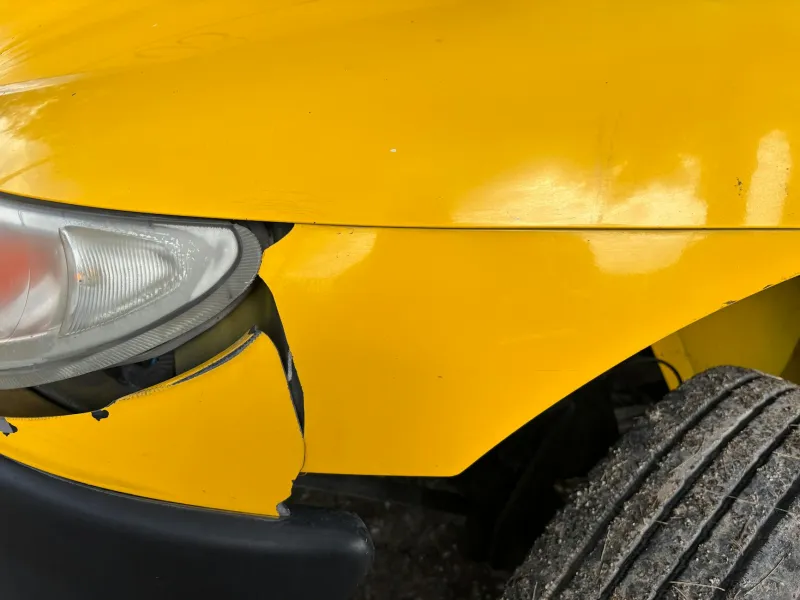
Picture this: It's 1975, and you've just backed into someone's car in a grocery store parking lot. The damage? A small dent in their rear bumper. What happens next would seem almost magical by today's standards.
You both get out, take a look at the damage, and the other driver says, "Ah, don't worry about it. Maybe forty bucks?" You hand over two twenties from your wallet, shake hands, and you're both on your way. Total time elapsed: three minutes. No paperwork, no phone calls, no follow-ups. Just two people solving a problem like adults.
Fast-forward to today, and that same minor fender-bender has become a bureaucratic odyssey that would make Kafka weep.
When Problems Had Simple Solutions
Back in the day, most Americans carried liability insurance because it was required, but comprehensive coverage was often optional and expensive. Many drivers went without it entirely. This meant that for minor accidents, especially those involving older cars, people frequently handled things themselves.
The math was straightforward. If the damage was going to cost less than a couple hundred dollars to fix, why involve insurance companies at all? Your premiums might go up, and the hassle wasn't worth it. Most body shops were small, local operations where the owner knew your name and could eyeball a repair cost on the spot.
Car designs also made things simpler. Those heavy steel bumpers from the 1960s and 70s were built to absorb impact. A minor collision might leave a small dent or scratch, but it rarely affected the car's functionality. You could drive around with a dinged bumper for years without anyone thinking twice about it.
The Birth of the Insurance Industrial Complex
Everything started changing in the 1980s and 90s. Cars became more complex, with integrated bumper systems, airbags, and electronic sensors. What looked like minor damage on the surface could hide expensive internal problems. That innocent-looking scratch might have damaged a $500 sensor or compromised a safety system.
Insurance companies, meanwhile, were getting smarter about risk management and fraud prevention. They started requiring documentation for everything. Photos, police reports, witness statements, repair estimates from certified shops. The days of taking someone's word for it were over.
Legal liability became a bigger concern too. What if that minor fender-bender caused a neck injury that didn't show up until weeks later? Suddenly, a handshake agreement wasn't enough protection.
Today's Accident Olympics
Now, even the most minor collision triggers a process that would be unrecognizable to drivers from previous generations. Here's what that simple parking lot bump looks like in 2024:
First, you're supposed to call the police, even for minor damage. Many departments won't respond to non-injury accidents, but you still need to try. Then comes the photo documentation phase. Insurance companies want pictures of everything: the damage, the accident scene, license plates, insurance cards, the other driver, the street signs, the weather conditions.
Next, you'll exchange information using your insurance app, which will immediately start a claim file. Both drivers will receive claim numbers, and the digital machinery starts grinding. The insurance companies will want recorded statements, which can be scheduled days later when an adjuster is available.
The Rental Car Shuffle
If your car needs repairs, you'll need a rental. But first, the insurance company has to approve it. Then you'll need to find an approved rental location that has cars available. The rental car company will want to inspect your damaged vehicle and create their own documentation.
Meanwhile, your car needs to go to an approved repair shop. Not just any shop — one that's in your insurance network and can provide digital estimates through the insurance company's preferred system. The shop will need to order parts, which might take weeks if your car is newer or foreign.
The Endless Digital Loop
Throughout this process, you'll receive constant updates via email, text, and app notifications. Your claim will have its own online portal where you can track progress, upload additional documents, and communicate with adjusters. You'll get surveys asking about your experience. The rental car company will send reminders about return dates and mileage limits.
Even after your car is repaired, the paperwork continues. You'll need to inspect and approve the work, return the rental car, and close out the claim. The insurance companies will continue exchanging information behind the scenes for months, determining fault percentages and handling subrogation.
The Price of Progress
This transformation reflects broader changes in American society. We've become more litigious, more risk-averse, and more dependent on institutional systems to handle problems that individuals once solved themselves. The rise of comprehensive insurance coverage, while protecting us from major financial losses, has also created a system where no incident is too small for bureaucratic intervention.
Modern cars are undeniably safer and more sophisticated than their predecessors. But that sophistication comes with complexity that turns simple problems into elaborate procedures. What once required human judgment and personal responsibility now requires forms, apps, and approval processes.
The gap between then and now isn't just about technology or insurance policies. It's about how we've traded the simplicity of personal accountability for the safety net of institutional protection. Whether that trade-off was worth it depends on your perspective, but there's no denying that the days of settling a fender-bender with a handshake and a twenty-dollar bill are as extinct as the steel bumpers that made it all possible.