The American Road Trip Used to Come With a Real Chance of Not Making It
The American Road Trip Used to Come With a Real Chance of Not Making It
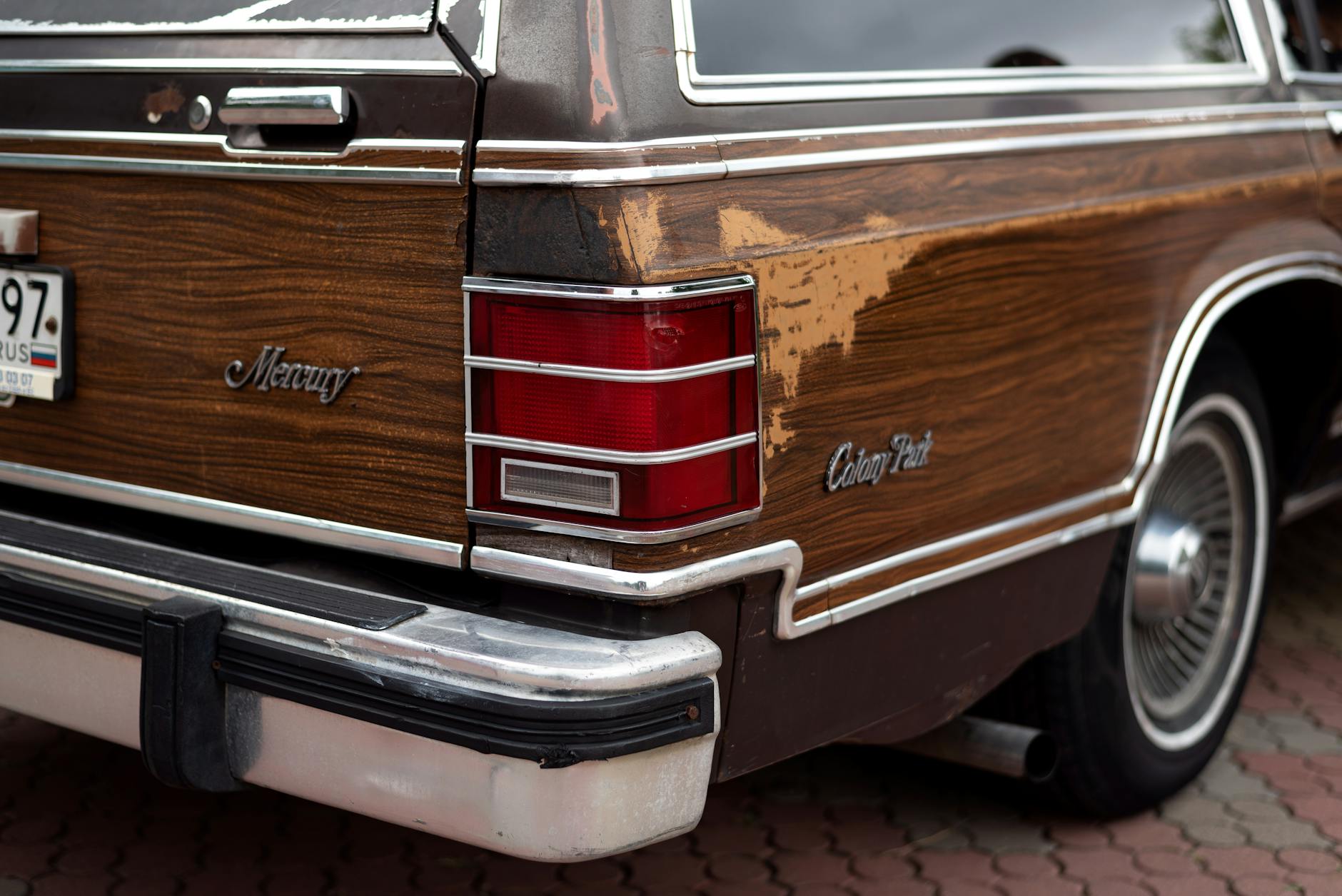
There's a version of the classic American road trip that lives in our collective memory like a Norman Rockwell painting — kids piled in the back of a wood-paneled station wagon, ice cream dripping down someone's arm, the open highway stretching out ahead. It's a warm image. It's also missing a few details.
Like the vapor lock that left your dad under the hood in 98-degree heat somewhere outside Amarillo. Or the paper map that got soaked when someone spilled a Thermos of coffee on it. Or the motel that looked nothing like the listing in the AAA TripTik. The mid-century American road trip wasn't just an adventure. In many very real ways, it was a gamble.
What "Reliable" Actually Meant in 1965
Modern drivers have a warped sense of what automotive reliability looked like in the golden age of American road trips. We tend to romanticize the hardware — the chrome, the fins, the big V8s — without remembering that those beautiful machines broke down constantly by today's standards.
In the 1960s and 70s, it was broadly accepted that a long road trip meant a real possibility of mechanical trouble. Consumer Reports data from the era routinely flagged American-made vehicles for electrical gremlins, cooling system failures, and carburetor issues that could sideline a car for hours or days. A J.D. Power-style reliability study would have been almost unthinkable — the variance between a good car and a bad one, even from the same model year, was enormous.
The numbers tell a stark story. Studies of vehicle dependability from the early 1970s suggested that roughly one in four cars on American roads experienced a breakdown requiring roadside assistance at least once per year. Today, that figure has dropped to somewhere around one in thirty — and most modern "breakdowns" are things like dead key fob batteries or low tire pressure alerts, not the kind of catastrophic failure that leaves a family stranded on the shoulder of I-40 for six hours.
Spark plugs needed replacing every 10,000 to 15,000 miles. Points and condensers in the ignition system required regular attention. Cooling systems were fussy. Tires were far more prone to blowouts. Even something as simple as a fuel pump — a part most modern drivers have never thought about — could fail without warning and ruin an entire vacation.
Navigation: Optimism Printed on Paper
Before GPS, before Google Maps, before even the earliest in-dash navigation systems, the American road tripper relied on a paper map and whatever local knowledge they could extract from a gas station attendant.
The AAA TripTik was genuinely useful — a custom-printed flip booklet of your route, updated by hand by a AAA employee. But it couldn't account for road closures, detours, or the fact that the highway interchange you needed had been under construction for three years. Wrong turns weren't just annoying. In unfamiliar territory, before cell phones, a wrong turn could mean genuine disorientation for hours.
And there was no Yelp to vet the diner. No TripAdvisor to warn you about the motel with the leaky roof. You pulled off the highway because you were hungry or tired, and you took your chances. Sometimes that meant discovering a genuinely great local spot. Sometimes it meant food poisoning in a town whose name you'd already forgotten by the time you got home.
The Heat Problem Nobody Talks About
Here's something that often gets glossed over in road trip nostalgia: air conditioning was not standard in American cars until the late 1960s, and even then it was an expensive option that many families skipped.
Driving through the American Southwest in July in a car with no AC, with three kids in the back seat and a dog that hadn't been bathed recently, across roads that hadn't yet been fully developed under the Interstate Highway System — that wasn't a romantic adventure. It was physically grueling. Heat exhaustion was a real risk on long drives through desert states, and families developed elaborate coping strategies: driving at night, stopping for long midday breaks, soaking towels in ice water from roadside coolers.
The Interstate Highway System itself was still being built through much of the 1960s. Eisenhower had signed it into law in 1956, but construction lagged for years. Drivers heading cross-country frequently had to leave the freeway and navigate old US routes through small towns, adding hours to trips and increasing the odds of getting thoroughly lost.
The 2025 Road Trip: Almost a Different Activity
Compare all of that to a modern cross-country drive, and you're essentially describing a different experience that happens to involve the same basic concept of a car and a road.
Today's vehicles are engineered to standards that would have seemed like science fiction to a 1970s Detroit engineer. Modern cars regularly exceed 200,000 miles with basic maintenance. Tire technology has advanced so dramatically that a blowout at highway speed — once a relatively common and genuinely dangerous event — is now rare enough to be noteworthy. Engines are computer-managed, self-diagnosing, and built with tolerances that bear almost no resemblance to their mid-century predecessors.
GPS navigation doesn't just tell you where to go — it reroutes around traffic in real time, flags speed traps, and knows that the gas station on the left closed two years ago. Apps like GasBuddy, Roadtrippers, and Google Maps have essentially collapsed the uncertainty that once made long drives genuinely stressful. You know what your motel looks like before you arrive. You know what the diner's food tastes like before you sit down.
EV charging networks are still expanding, and range anxiety is a legitimate consideration for electric vehicle road-trippers — but even that comes with real-time data, predictive routing, and infrastructure growing faster than almost any other sector of travel.
Nostalgia Is Fine. Just Be Honest About the Odds.
None of this is meant to strip the romance out of those old road trips. There was something genuinely freeing about the pre-digital highway — the sense that you were navigating the world on your own terms, with paper and instinct and a full tank of gas.
But let's be clear about what that freedom came packaged with. Mechanical failure was a when, not an if. Navigation was guesswork dressed up as planning. Comfort was optional. And if something went seriously wrong in the wrong place, you were relying on the kindness of strangers in a way that modern drivers almost never have to.
The gap between the road trip your grandparents survived and the one you can take this summer is enormous. The highway looks the same. Almost everything else has changed.