The Now Gap Home

Category

Travel

15 articles

The Drive Home Used to Be Yours — Now It Belongs to Everyone Else

The Drive Home Used to Be Yours — Now It Belongs to Everyone Else

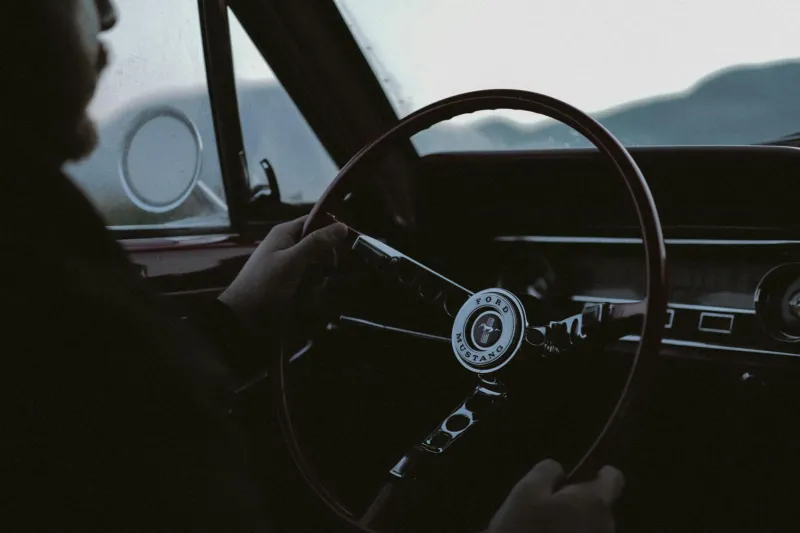
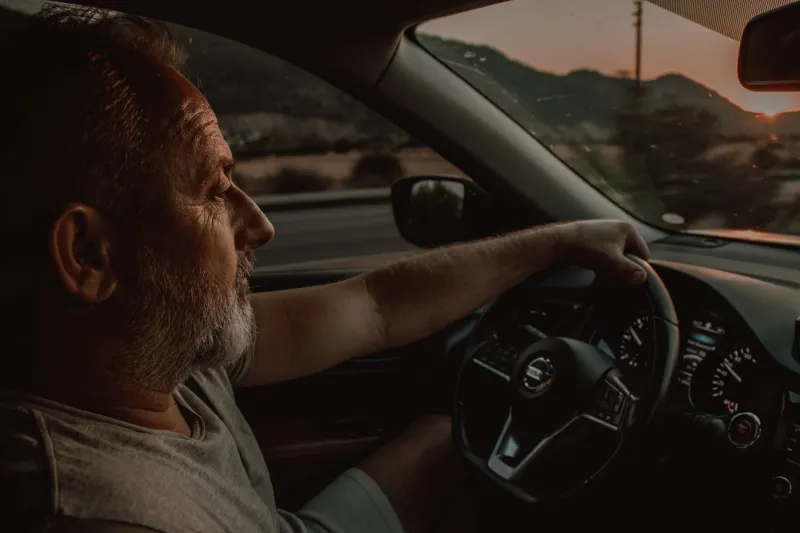
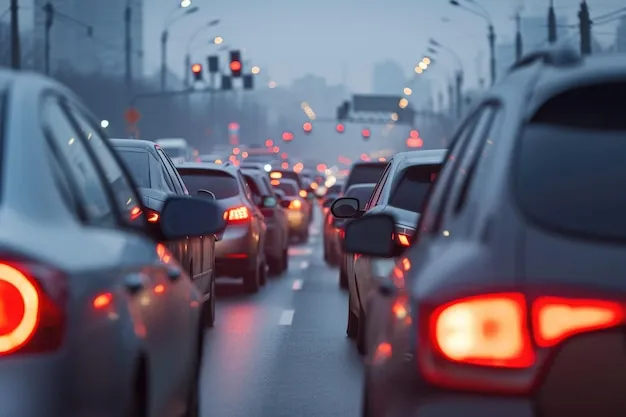
The daily commute was once one of the last truly private spaces in American life — a moving cocoon of radio, silence, and unstructured thought. Then the smartphone arrived, and the dashboard lit up, and the quiet got very loud. Here's what we traded away without noticing.
The Auto Show Used to Stop Traffic. Now It Struggles to Fill Seats.

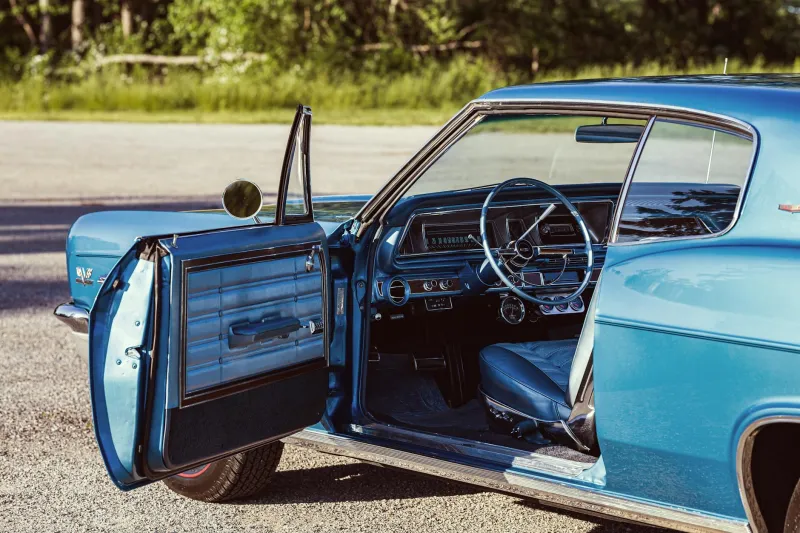
For most of the twentieth century, the auto show was where America went to dream. New models were unveiled to gasping crowds, families planned their visits weeks in advance, and the cars on the floor shaped what the country wanted to drive next. Something happened to all of that — and the story of how the auto show faded tells you more about America than any press release ever could.

The Polite Beep That Became a War Cry — How the Car Horn Lost Its Manners

The Polite Beep That Became a War Cry — How the Car Horn Lost Its Manners

Early American drivers had an unwritten code for the horn — a shared language of courtesy taps and friendly warnings that governed the road like a neighborhood handshake. Somewhere between then and the bumper-to-bumper fury of today's commute, that code completely collapsed. The horn didn't change. We did.

The Odometer Used to Be a Death Sentence — Now It's Just Getting Started

The Odometer Used to Be a Death Sentence — Now It's Just Getting Started

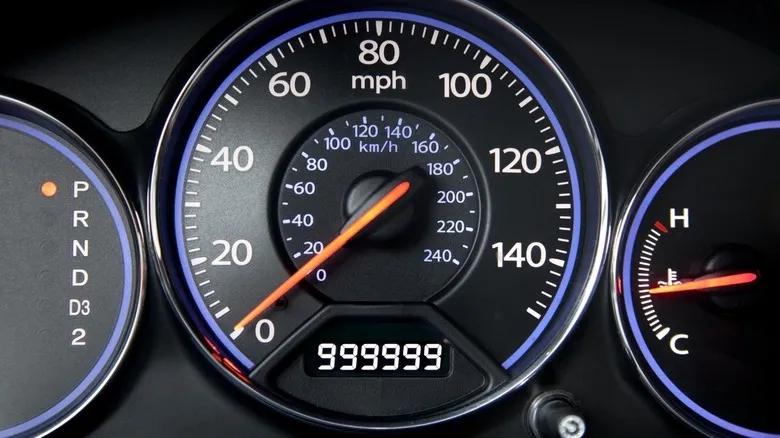
Hitting 100,000 miles on an odometer was once a genuine automotive milestone — the kind that often meant it was time to start shopping for a replacement. Today, that number barely registers. The engineering revolution that turned 200,000 miles into a reasonable expectation didn't just change how long cars last — it rewired how Americans think about buying, keeping, and letting go of their vehicles.

The Carpool Lane Was Built on a Promise America Never Kept

The Carpool Lane Was Built on a Promise America Never Kept

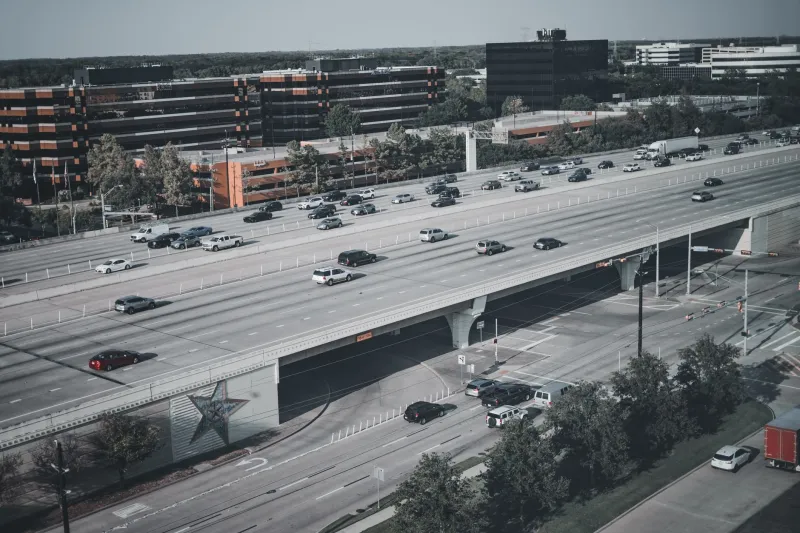
In the 1970s, America painted a bold white diamond on its highways and called it the future of commuting. The HOV lane was supposed to change how we traveled together. Half a century later, it's become a lane for solo drivers in electric cars, remote workers who don't commute, and everyone who paid the right fee. The dream died. The lane stayed.

There Was a Time You Could Drive as Fast as You Wanted — Legally

There Was a Time You Could Drive as Fast as You Wanted — Legally

Before 1974, several U.S. states had no enforceable daytime speed limit at all. The story of how America went from wide-open throttle to radar guns and traffic cameras is a collision between freedom, oil politics, and a country that never quite agreed on what the road was actually for.

The American Road Trip Used to Come With a Real Chance of Not Making It

The American Road Trip Used to Come With a Real Chance of Not Making It

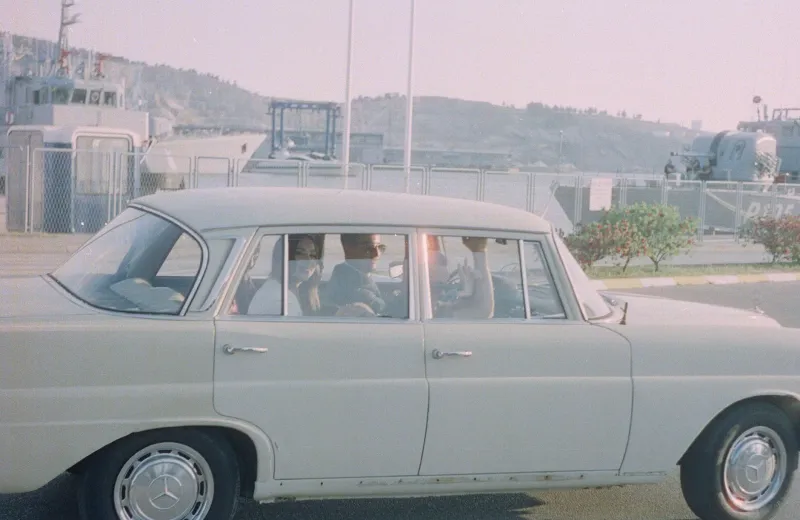
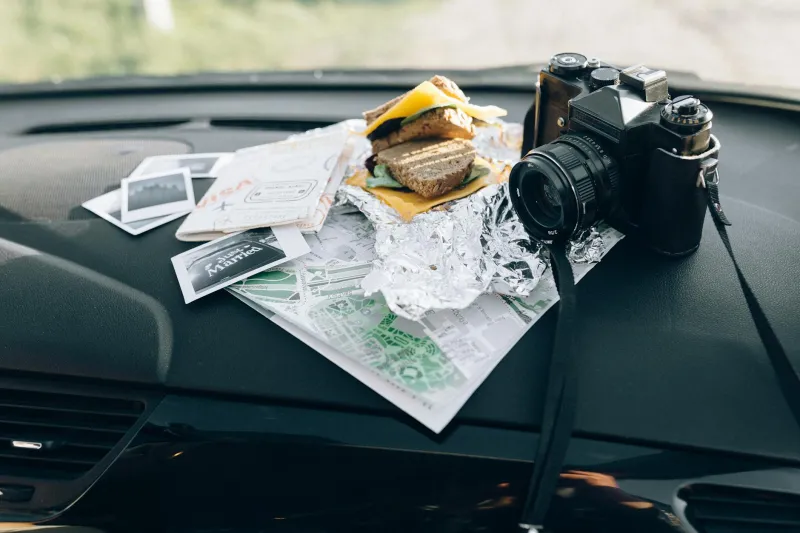
Loading the station wagon and heading cross-country sounds romantic in hindsight. But the 1960s and 70s family road trip was genuinely unpredictable — paper maps, questionable diners, and cars that broke down at a rate modern drivers would find hard to believe. Here's how dramatically the odds have shifted in your favor.