When Every Corner Had a Gas Station — Now We're Hunting for Charging Cables Like It's 1902
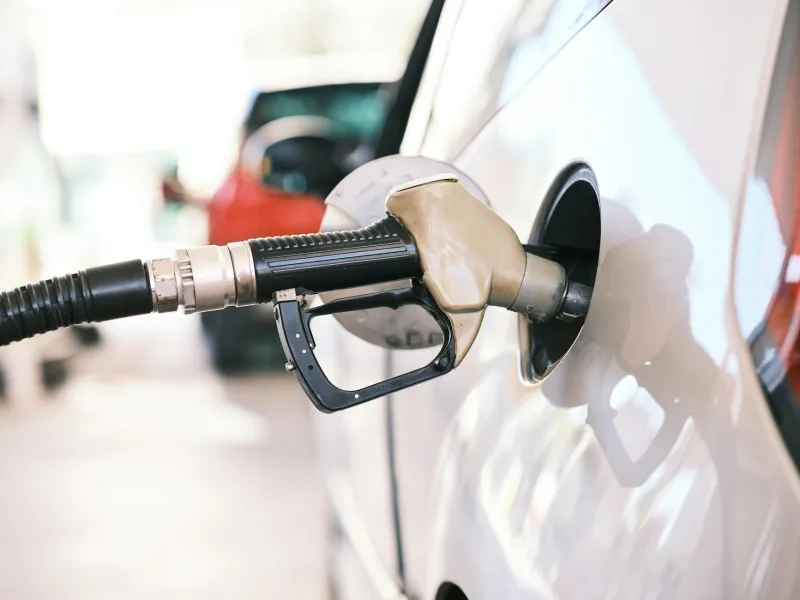
The Golden Age of Gas Station Abundance
Picture this: It's 1970, and you're driving through any American town. Every few blocks, there's another gas station. Not just one brand, but three or four different companies competing for your business on the same intersection. Texaco, Shell, Mobil, and Gulf stations dotted the landscape like Starbucks would decades later. The United States peaked at nearly 200,000 gas stations, meaning you were never more than a few minutes from fuel.
But here's what made it truly different: you didn't even have to get out of your car. An attendant would jog over, fill your tank, check your oil, clean your windshield, and sometimes even check your tire pressure. The whole transaction took three minutes, tops. You'd pay cash through your rolled-down window and drive away.
The Disappearing Act
Today, America has fewer than 150,000 gas stations — a 25% drop despite having twice as many registered vehicles. The corner gas station became the highway truck stop, then the big-box convenience store with fuel pumps out front. Most are self-service, and if you're lucky enough to find full-service in places like New Jersey or Oregon, you'll pay a premium for the privilege.
The neighborhood mechanic who knew your car by sight? Gone. The guy who'd top off your washer fluid without being asked? Ancient history. Gas stations became pit stops, not service destinations.
Enter the Electric Revolution — With 1902 Problems
Now comes the twist that would make Henry Ford chuckle. Electric vehicle adoption is accelerating, but the charging infrastructure feels like we've time-traveled back to the earliest days of automobiles. In 1902, there were only 23,000 cars in America, and finding fuel was an adventure. You'd buy gasoline from pharmacies, general stores, or blacksmith shops — whoever happened to have some.
Today's EV drivers face a strikingly similar reality. There are roughly 60,000 public charging stations nationwide, but they're clustered in wealthy urban areas and along major highways. Drive through rural Wyoming or Alabama, and you'll understand what early motorists felt like searching for fuel.
The New Ritual: From 3 Minutes to 30
Remember that three-minute gas fill-up? EV charging has created an entirely new travel ritual. Fast charging takes 20-45 minutes on a good day — if the charger works, if there's no line, and if your car's battery can accept the maximum charge rate. Many drivers report planning trips around charging locations like early aviators planned routes around airfields.
The apps tell their own story. EV drivers need multiple charging network apps (ChargePoint, Electrify America, EVgo, Tesla Supercharger), each with different payment methods, pricing structures, and reliability records. It's like needing separate apps for Shell, Exxon, and BP — except some don't work half the time.
The Infrastructure Gap Nobody Talks About
Here's where the gap becomes a chasm. Those 200,000 gas stations of 1970 were built over decades by private companies competing for customers. Each station could serve hundreds of cars per day. A single gas pump can fuel a car every few minutes, all day long.
EV charging stations serve maybe 10-20 cars daily per charger. The math is brutal: we'd need roughly 10 times more charging locations to match the convenience of gas stations, assuming charging times don't improve dramatically.
The Apartment Dweller's Dilemma
The real kicker? The gas station era assumed you'd fuel up away from home. EV adoption assumes the opposite — that you'll charge at home overnight. But 40% of Americans live in apartments, condos, or rental properties where installing a home charger isn't an option. These drivers are stuck with public charging as their primary option, making them dependent on an infrastructure that's still figuring itself out.
What We Lost in Translation
The transition from horses to cars took about 30 years and created an entire ecosystem of support infrastructure. Gas stations, mechanics, parts stores, and service networks emerged organically. The EV transition is happening faster, but the support infrastructure is lagging behind consumer adoption.
We've traded the certainty of finding fuel anywhere for the anxiety of range planning. The spontaneous road trip — a cornerstone of American car culture — now requires spreadsheet-level preparation for EV drivers venturing beyond their comfort zones.
The Promise vs. The Reality
Electric vehicles represent the future of transportation, offering cleaner air, lower operating costs, and impressive performance. But the charging experience feels like a step backward to an era when refueling required patience, planning, and sometimes luck.
The gap between the EV promise and infrastructure reality reveals something profound about American progress: sometimes moving forward means temporarily going backward. We're essentially rebuilding the entire concept of how Americans fuel their vehicles, one charging station at a time.
The question isn't whether we'll get there — it's how long American drivers will tolerate feeling like automotive pioneers in an age when their phones can summon a ride in minutes but their cars might leave them stranded at a broken charger in rural Nevada.