From Muscle Cars to Minivans to Crossovers — How America Stopped Buying Cars and Started Buying One Car

Walk into any parking lot in America today — a grocery store in Ohio, a high school in Texas, a retirement community in Florida — and you'll see roughly the same thing. A sea of rounded, all-wheel-drive crossover SUVs in shades of gray, white, and black, stacked bumper to bumper like a fleet of corporate rentals. The Toyota RAV4 sits next to the Honda CR-V sits next to the Ford Escape. A 24-year-old's car looks identical to her grandmother's.
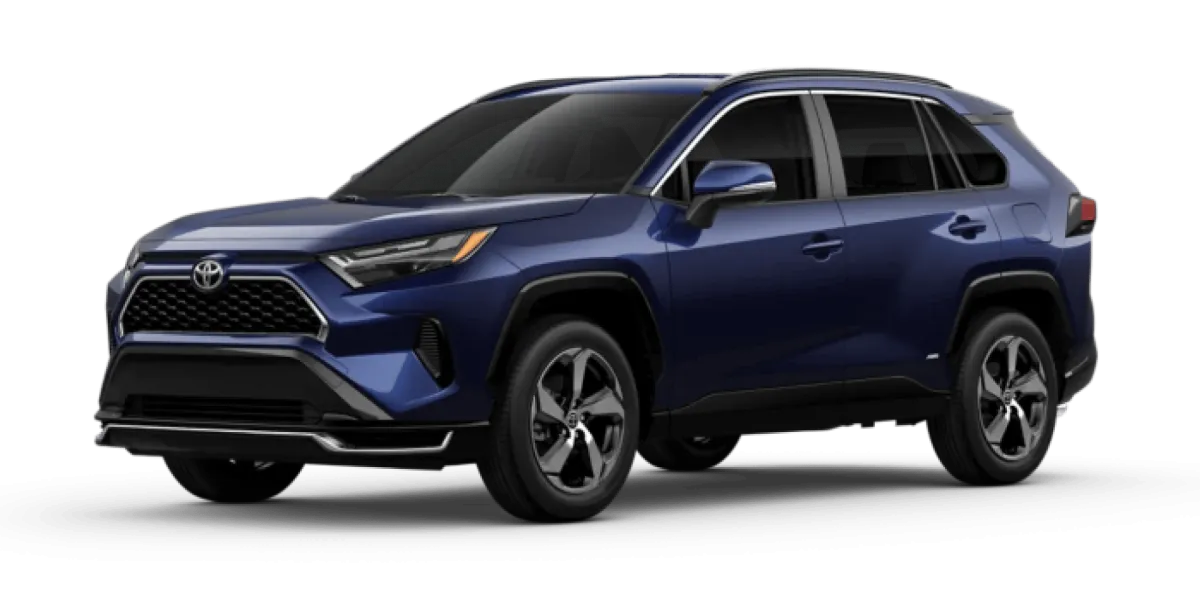 Photo: Toyota RAV4, via di-sitebuilder-assets.dealerinspire.com
It wasn't always this way. Not even close.
When Your Car Told the World Exactly Who You Were
For most of the twentieth century, the American auto market was a beautifully segmented ecosystem. Automakers didn't just sell transportation — they sold identity at every stage of life, and they were remarkably deliberate about it.
If you were a young man in 1968 with a little money and a lot of ambition, you bought a Pontiac GTO or a Ford Mustang fastback. These weren't just fast cars — they were cultural declarations. The muscle car was designed specifically for the young, specifically for people who wanted the world to know they were young.
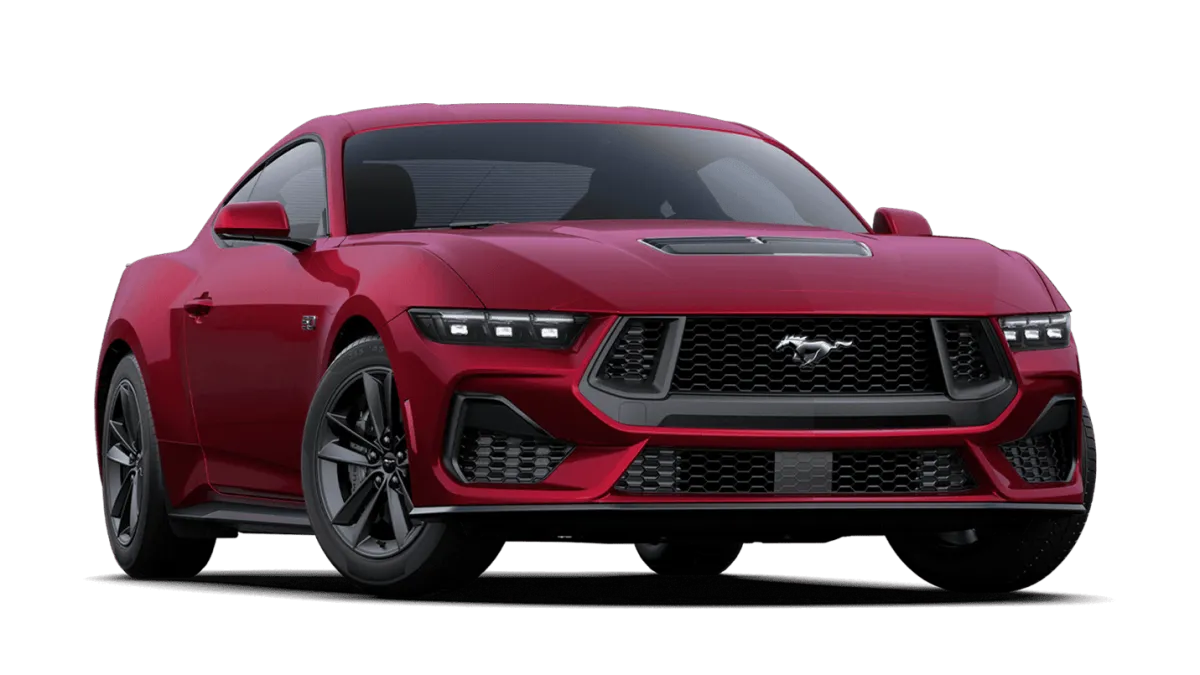 Photo: Ford Mustang, via www.ford.com
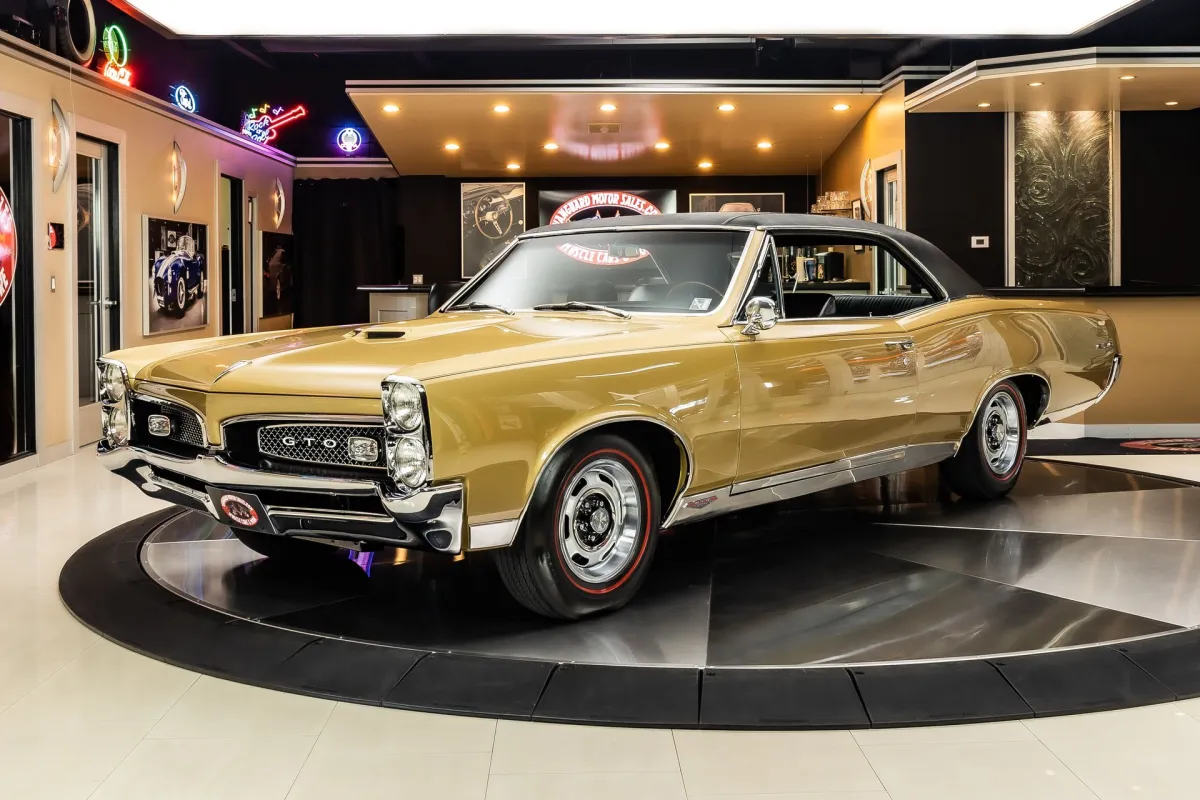 Photo: Pontiac GTO, via cdn.dealeraccelerate.com
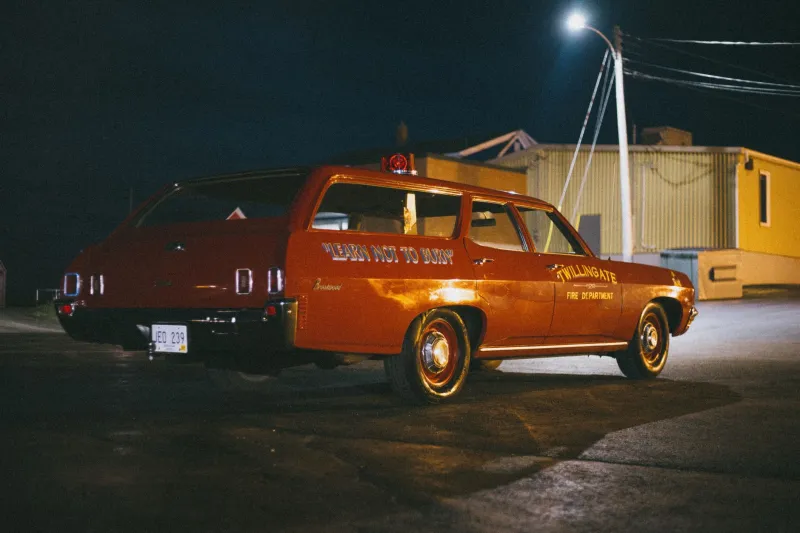
Get married, start a family, and the calculus changed completely. Out went the two-door coupe, in came the station wagon. The Ford Country Squire, with its fake wood paneling and acres of cargo space, became the universal symbol of suburban parenthood. Nobody bought a Country Squire to look cool. They bought it because it fit the kids, the dog, and six bags of groceries. It was a car that said: my priorities have shifted.
Retire in the 1970s or '80s, and you graduated again — this time to a full-size American sedan. A Buick LeSabre. A Cadillac DeVille. A Lincoln Town Car. These weren't performance vehicles or family haulers. They were rolling statements of arrival — comfortable, quiet, and undeniably dignified. The kind of car that said you'd earned the right to stop rushing.
The market wasn't just segmented by age, either. Working-class buyers had their practical pickups and compact sedans. Performance enthusiasts had their muscle cars and later their sports coupes. Young women entering the workforce in the 1970s had the sporty compact — the Datsun 280Z, the Pontiac Firebird. Even within demographics, there were meaningful distinctions.
The Collapse of the Ecosystem
So what happened? How did all of that rich, expressive diversity collapse into a single dominant shape?
The short answer is: money, safety, and the death of the station wagon.
The longer answer starts in the 1980s. When Chrysler introduced the minivan in 1984, it seemed like a revolution — and it was. Suddenly families had a vehicle purpose-built for them that was better than the station wagon in almost every measurable way. The minivan was roomier, more fuel-efficient, and easier to load. Families abandoned wagons almost immediately.
But the minivan carried a cultural stigma almost from birth. It was aggressively, unambiguously domestic. By the mid-1990s, parents who'd enthusiastically bought minivans were quietly looking for an exit. They wanted the space of a minivan without the social surrender.
Enter the SUV. First it was the Ford Explorer and the Jeep Grand Cherokee — truck-based, rugged-looking, and just aspirational enough to feel like a lifestyle choice rather than a capitulation. Then came the crossover SUV — car-based, softer, more fuel-efficient — and that was the ballgame.
Automakers noticed something remarkable: the crossover sold to everyone. Young buyers liked the elevated driving position and the storage space. Parents liked the versatility. Older buyers liked the easier entry and exit compared to low-slung sedans. Fleet managers liked the residual values.
So automakers, who are ultimately in the business of making money and not preserving cultural ecosystems, did what any rational company would do. They killed everything else.
The Accounting Department Won
By the late 2010s, Ford had discontinued virtually every car in its North American lineup except the Mustang. Chevrolet followed suit, dropping the Cruze and Impala. Dodge killed its sedans. The logic was pure: crossovers carried higher profit margins, sold in higher volumes, and required fewer distinct platforms to manufacture.
Why spend money developing a sporty coupe for 22-year-olds, a station wagon for young families, and a full-size sedan for retirees when you can build one crossover platform and sell it to all three? The bean counters had a point. The result, though, is a market that feels strangely flat.
The young man who might have bought a Mustang in 1968 now buys a Hyundai Tucson because insurance on a sports car is prohibitive and the Tucson gets better mileage. His grandmother also drives a Tucson. They've never discussed this. It's a little awkward.
What We Actually Lost
There's a case to be made that the modern crossover is objectively better than most of what it replaced. It's safer, more efficient, more reliable, and more practical than a 1970s station wagon or a 1980s muscle car. In purely functional terms, the RAV4 is a remarkable machine.
But function was never the only thing cars sold. They sold aspiration, identity, and belonging. The muscle car told you something about the person behind the wheel. So did the Town Car. So did the Country Squire, for that matter — even if what it said was I have three kids and a golden retriever and I've made my peace with that.
Today's crossover tells you almost nothing. It says: I needed a car, and this was the sensible choice. Which is fine. Sensible is fine. But it's a long way from the days when pulling into a parking lot in a Pontiac GTO announced your arrival before you even opened the door.
America used to have a car for every chapter of life. Now we all share the same chapter. It's efficient. It's practical. And it's just a little bit sad.