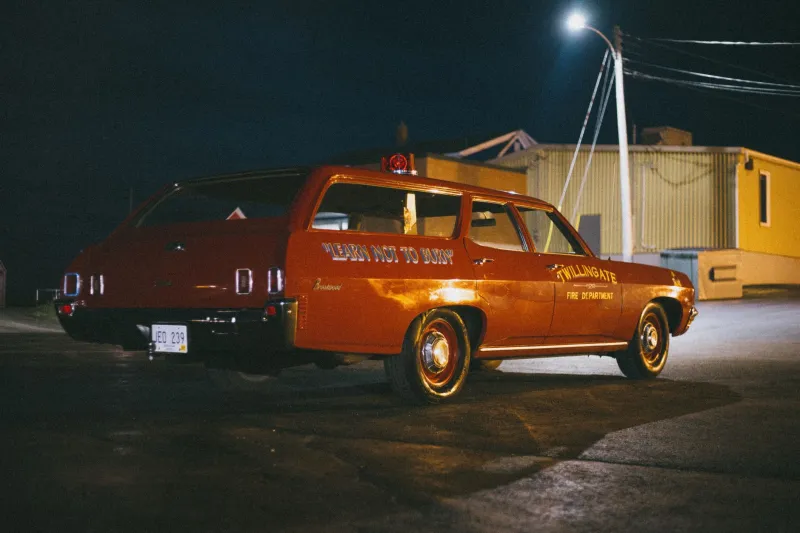
The Station Wagon Didn't Die — It Just Got a Makeover and a Soccer Schedule

Photo: Eva Maria Mandl, CC BY-SA 4.0, via Wikimedia Commons
The Station Wagon Didn't Die — It Just Got a Makeover and a Soccer Schedule
If you grew up in the 1960s or 1970s, you know exactly what the back of a station wagon smelled like. A little dog, a little vinyl, a little mystery. You were probably sprawled across a rear-facing third-row seat — no seatbelt, no screen, nothing between you and the cars behind you except a thin pane of glass and your parents' complete indifference to your safety. And somehow, it was perfect.
The station wagon was America's family vehicle for the better part of four decades. It didn't try to be anything else. It wasn't aspirational. It wasn't a lifestyle statement. It was a long rectangle on wheels that could swallow a family of eight, a golden retriever, three suitcases, and a cooler full of bologna sandwiches without breaking a sweat.
Then a single sliding door changed everything.
The Wagon's Reign Was Longer Than You Remember
Station wagons first appeared in the 1920s, initially as wooden-bodied vehicles used to shuttle passengers from train stations to hotels — hence the name. By the postwar boom of the late 1940s and 1950s, they'd evolved into the definitive symbol of suburban American family life. Automakers couldn't build them fast enough.
At their peak in 1977, station wagons accounted for nearly 15 percent of all new car sales in the United States. That's not a niche vehicle. That's a dominant one.
The appeal was obvious. A full-size wagon from Ford, Chevrolet, or Buick offered genuine three-row seating, enormous cargo capacity, and the kind of structural heft that made you feel like you were driving a small building. The Chevrolet Caprice Estate Wagon could seat nine passengers. Nine. Most modern SUVs top out at seven and consider that generous.
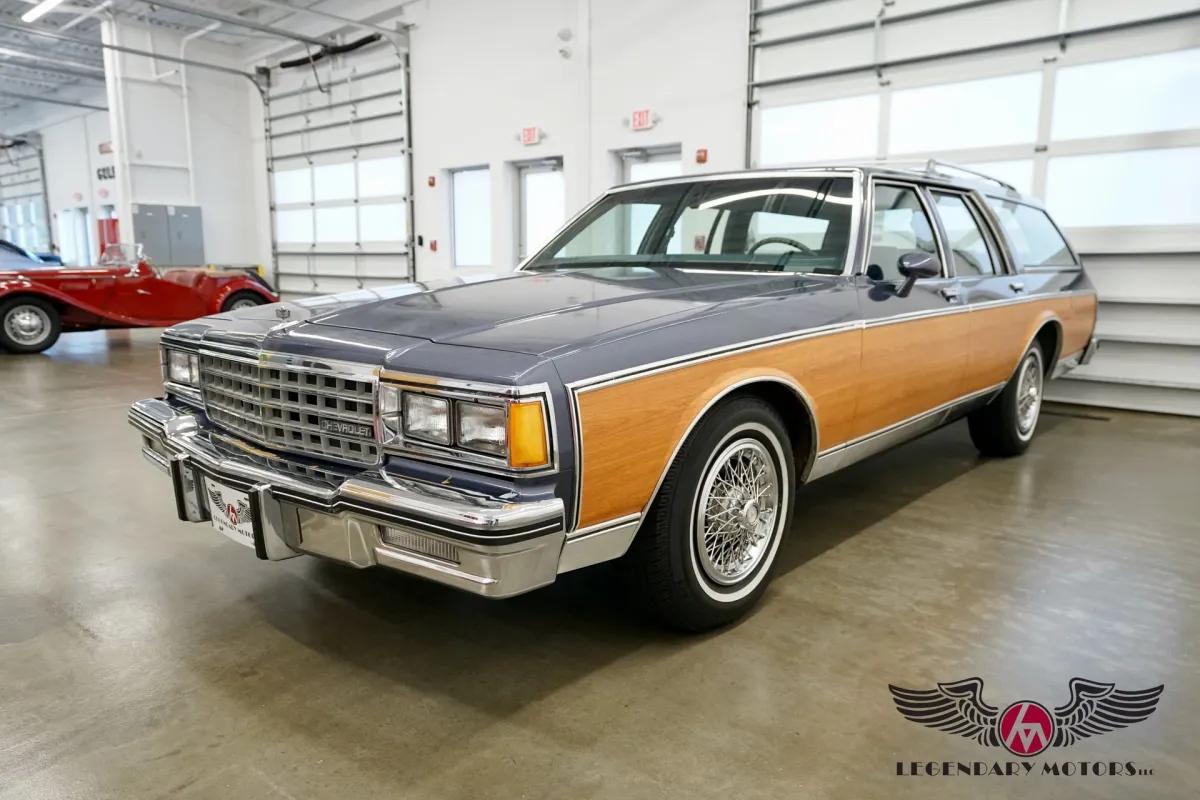 Photo: Chevrolet Caprice Estate Wagon, via cdn.dealeraccelerate.com
And the aesthetic was unapologetically utilitarian. The fake wood paneling — that distinctive Di-Noc vinyl wrap that mimicked the wooden-bodied wagons of earlier decades — became so culturally embedded that it stopped being a design choice and became an identity. You didn't buy a Country Squire because it was beautiful. You bought it because you had four kids and a Lab and nobody was pretending otherwise.
Chrysler Slid a Door Open and America Walked Through It
In November 1983, Chrysler introduced the Dodge Caravan and Plymouth Voyager to the American public. They went on sale in January 1984. Within a year, the station wagon's cultural dominance was effectively over.
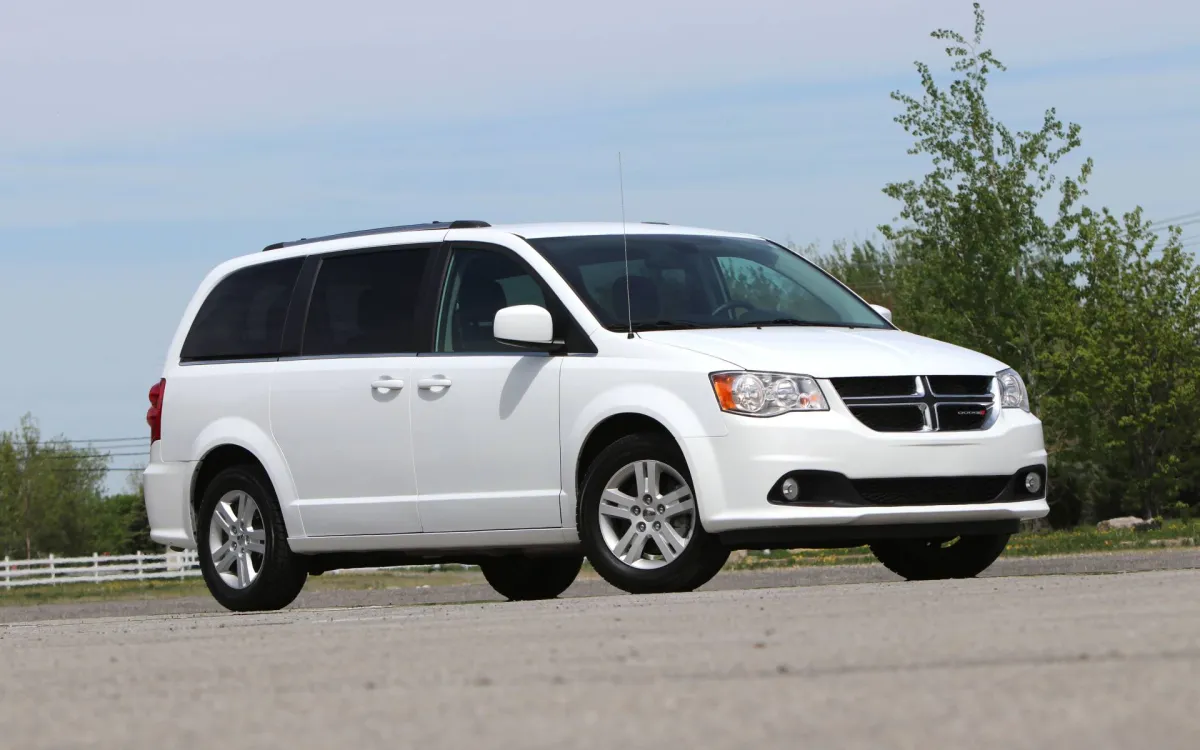 Photo: Dodge Caravan, via i.gaw.to
The genius of the minivan wasn't raw capacity — wagons could match it. It was ergonomics. A lower floor made loading children and groceries dramatically easier. The sliding rear door eliminated the door-swing problem in tight parking lots. The boxy interior created genuine headroom. And the front-wheel-drive platform meant no transmission tunnel running through the cabin floor, freeing up interior space in ways a traditional wagon couldn't match.
But beyond the engineering, the minivan said something different about the American family. The station wagon was Dad's vehicle, inherited from a culture that valued practicality without comment. The minivan was purpose-built for a new kind of family — one with structured schedules, organized carpools, and children whose activities required a rolling command center rather than just a big trunk.
The "soccer mom" wasn't a stereotype that emerged from nowhere. She was the logical endpoint of a vehicle designed specifically around the rhythms of suburban family logistics. The minivan didn't reflect how families already lived. It helped define how they were going to live.
Then the SUV Arrived and Rewrote the Rules Again
By the mid-1990s, the minivan was king. And then the Ford Explorer happened.
The SUV craze that swept through the late 1990s and early 2000s didn't beat the minivan on practicality — most family-sized SUVs were objectively worse at hauling people and cargo. What they offered was image. You could drive something that looked like it could ford a river, even if the closest you'd come to off-roading was a badly maintained Costco parking lot.
The minivan, for all its genuine usefulness, had become a symbol of surrender. It meant you'd fully committed to the carpool lane. The SUV offered a face-saving alternative — family capacity with the visual language of adventure rather than obligation.
It's worth noting that this shift happened even though the minivan remained the superior tool for the actual job. More interior space, better fuel economy, easier entry and exit, lower center of gravity. By almost every practical measure, a Chrysler Pacifica beats a three-row SUV for family hauling. And yet the minivan's market share has collapsed from its late-1990s highs while SUVs now dominate the entire new-vehicle landscape.
What Three Generations of Family Vehicles Actually Tell Us
Trace the arc from station wagon to minivan to SUV and you're not just looking at automotive history. You're looking at a shifting portrait of what the American family wanted to say about itself.
The station wagon said: We have a lot of kids and we're not making a big deal about it.
The minivan said: We have a lot of kids and we've optimized our entire lives around them.
The SUV said: We have a lot of kids, but we'd really like you to think we might also go camping.
Each vehicle reflected the anxieties and aspirations of its era. The postwar wagon owner wasn't thinking about image — he was thinking about getting six people to the lake. The minivan buyer was the product of a culture that had started treating child-rearing as a logistical project. The SUV buyer was navigating the uncomfortable space between suburban practicality and the American mythology of rugged individualism.
The station wagon didn't really die. It just kept changing its clothes. The gap between the nine-passenger Caprice Estate of 1975 and the three-row Chevy Tahoe of 2024 is smaller than you'd think in terms of purpose. The difference is almost entirely in what the driver wanted the vehicle to say about them.
Which, when you think about it, is the most American thing imaginable.