Car Thieves Used to Need a Toolkit and Ten Minutes — Now They Need a Phone Charger and Thirty Seconds
When Car Theft Was a Blue-Collar Crime
In 1985, stealing a car required a specific skill set that took months to develop and years to master. A professional car thief carried a toolkit: slim jims for sliding past window seals, coat hangers bent into precise shapes for manipulating door locks, screwdrivers for breaking steering columns, and enough mechanical knowledge to hotwire an ignition system without electrocuting himself.
These weren't random crimes of opportunity. Auto theft was a craft practiced by career criminals who understood the mechanical vulnerabilities of different makes and models. They knew which cars had weak door locks, which ignition systems could be bypassed easily, and which vehicles were worth the risk. A skilled thief might spend ten minutes working on a car, sweating through the process of defeating multiple mechanical safeguards.
The statistics tell the story: in 1991, over 1.6 million vehicles were stolen in America, but the theft process itself served as a natural filter. Only dedicated criminals with specific skills bothered to attempt it, and even they succeeded only about 60% of the time.
The Arms Race Nobody Won
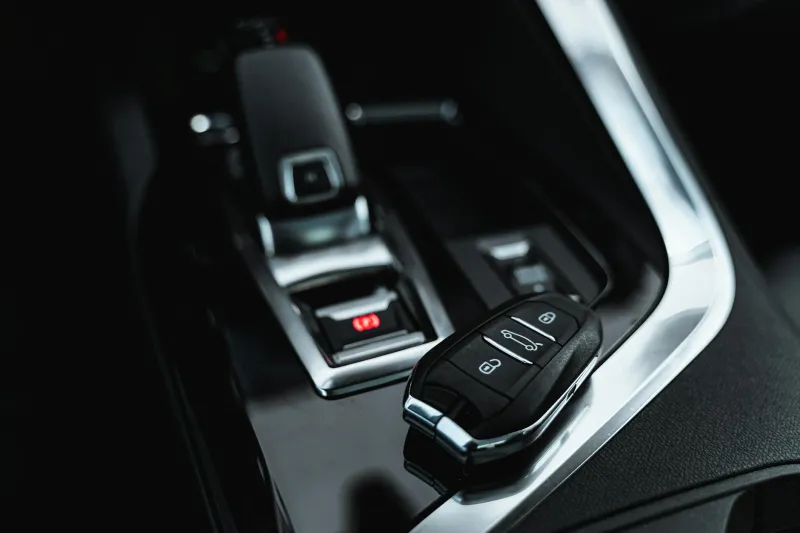
Detroit responded to rising theft rates with increasingly sophisticated security measures. Club locks, car alarms, immobilizer systems, and eventually sophisticated electronic key fobs that used rolling codes and encryption. By the early 2000s, it seemed like the good guys were winning. Auto theft rates plummeted as cars became harder to steal using traditional methods.
The irony is breathtaking: the same technological advances that made cars nearly impossible to steal using old-school methods also created entirely new vulnerabilities that are far easier to exploit.
Enter the Digital Native Criminals
Today's car thieves look nothing like their predecessors. They're often teenagers who learned their techniques from TikTok videos and Discord channels. Instead of mechanical tools, they carry USB cables, phone chargers, and devices that can be ordered online for less than $50. Where their predecessors needed months of training, today's thieves need about ten minutes of YouTube instruction.
The most shocking example involves certain Kia and Hyundai models manufactured between 2015 and 2021. These vehicles can be stolen using nothing more sophisticated than a USB cable and a pair of pliers. The process takes less than thirty seconds and requires no special knowledge beyond the ability to remove a plastic panel and plug in a cable.
Social media turned this vulnerability into a viral trend. The "Kia Challenge" spread across platforms, showing teenagers exactly how to exploit this security flaw. The result? Thefts of these specific models increased by over 1000% in some cities. What was once a specialized crime became accessible to anyone with an internet connection and basic motor skills.
The Paradox of Modern Security
Here's the cruel irony: while manufacturers spent billions developing sophisticated anti-theft systems, they simultaneously introduced new attack vectors that are far more vulnerable than anything that existed in the analog era. Modern cars are essentially computers on wheels, connected to cellular networks, Wi-Fi systems, and Bluetooth devices — each connection representing a potential entry point for digital criminals.
Keyless entry systems, designed for convenience, have become a thief's best friend. "Relay attacks" allow criminals to amplify the signal from a key fob inside a house to unlock and start a car parked in the driveway. The equipment costs less than $100 and requires no technical expertise beyond knowing which button to press.
CanBus systems — the internal networks that allow different car components to communicate — were never designed with security in mind. Accessing these systems through the OBD-II diagnostic port (mandatory on all cars since 1996) gives thieves direct access to the vehicle's brain. With the right device, they can program new keys, disable alarms, and start engines in minutes.
The Numbers Don't Lie
While overall auto theft rates remain lower than their 1990s peak, certain models have become dramatically more vulnerable. In Chicago, thefts of Kia and Hyundai vehicles increased by 767% between 2021 and 2022. In Milwaukee, these two brands accounted for 66% of all stolen vehicles in 2022, despite representing only 8% of registered cars.
Meanwhile, older vehicles with purely mechanical security systems sit largely untouched. A 1985 Honda Civic, once considered easy prey for car thieves, is now effectively theft-proof — not because it's more secure, but because today's criminals don't know how to steal it using traditional methods.
 Photo: Honda Civic, via i.pinimg.com
The Democratization of Crime
What we're witnessing isn't just a change in theft methods — it's a fundamental shift in who becomes a car thief. The old system required dedication, skill development, and acceptance of significant personal risk. The new system has removed most barriers to entry, turning car theft into an impulsive crime that requires minimal planning or expertise.
This democratization has serious consequences. Where professional thieves once targeted specific vehicles for resale or parts, today's opportunistic criminals often steal cars for joyriding, transportation, or to commit other crimes. The stolen vehicles are frequently abandoned, crashed, or destroyed, representing pure loss rather than organized criminal enterprise.
The Insurance Industry Responds
Insurance companies have noticed. Some insurers now refuse to write policies for certain Kia and Hyundai models, while others require additional anti-theft devices as a condition of coverage. Progressive Insurance reported that theft claims for affected models increased by 300% in some markets.
The financial impact extends beyond insurance. Cities are spending millions in additional police resources to address the surge in auto thefts, while car owners face higher premiums and reduced resale values for vehicles that have become theft magnets.
What Went Wrong?
The fundamental problem isn't technology itself — it's the assumption that digital security would naturally be superior to mechanical security. Engineers designed systems optimized for convenience and cost reduction, treating security as an afterthought rather than a primary concern.
Manufacturers also underestimated the power of social media to spread criminal techniques. Where knowledge of car theft methods once spread slowly through criminal networks, TikTok and YouTube can teach thousands of potential thieves simultaneously.
The Unintended Consequences of Progress
We set out to build cars that were impossible to steal, and instead created vehicles that are easier to steal than ever before — at least for those who understand the new rules. The gap between then and now isn't just about technology; it's about the unintended consequences of innovation.
The teenager with a USB cable didn't develop specialized skills or invest years learning a criminal trade. They watched a video, bought a cable, and suddenly possessed the ability to steal cars that cost more than many people's houses. In solving one problem, we created a dozen new ones.
The real question isn't whether technology made cars safer — it's whether we understood the risks we were creating when we connected our vehicles to the internet and designed security systems that assumed criminals would play by the old rules. The answer, clearly, is no.