When Downtown Parking Meant Someone Else Did the Driving — Before America Chose Convenience Over Service
The Last Mile Was Never Your Problem
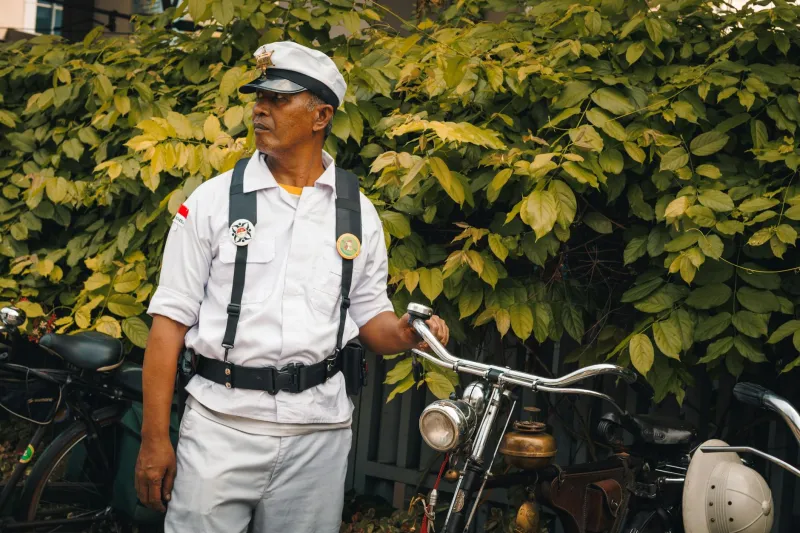
Picture this: You're driving into downtown Chicago in 1952. As you approach the business district, you don't start scanning for parking spots or digging for quarters. Instead, you pull up to the curb outside your destination, roll down your window, and hand your keys to a uniformed attendant. He tips his cap, hands you a numbered ticket, and drives your Buick to a nearby garage while you stroll into your meeting.
This wasn't luxury service reserved for the wealthy. It was how middle-class Americans parked downtown.
From the 1920s through the 1970s, curbside valet service and parking attendants were woven into the fabric of American city life. Department stores employed teams of attendants. Office buildings provided the service as a standard amenity. Even modest restaurants in business districts offered to park your car — not because they were upscale, but because that's simply how urban parking worked.
When Human Labor Was Cheaper Than Real Estate
The economics made perfect sense for the time. Urban land was valuable, but human labor was affordable. A parking attendant could efficiently stack cars in tight spaces, maximizing the capacity of expensive downtown real estate. More importantly, drivers didn't waste time circling blocks or walking from distant parking spots.
In 1960, a parking attendant in New York City earned about $1.25 per hour — roughly $12 in today's money. Meanwhile, that same attendant could park 40 cars in a space that might otherwise hold 25. The math worked for everyone: property owners maximized revenue, drivers saved time, and attendants earned steady wages.
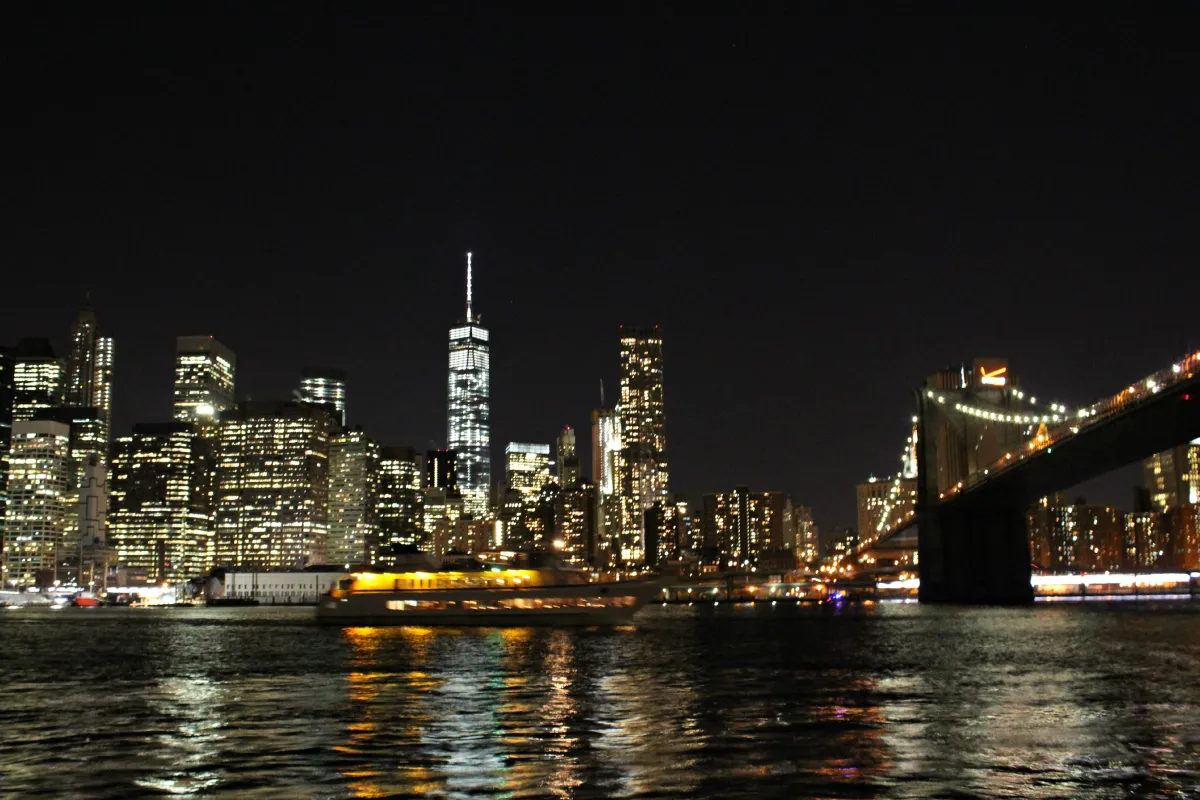 Photo: New York City, via www.thebrew.me
Department stores like Macy's and Gimbels built their customer service reputation partly on parking convenience. Shopping downtown meant someone else worried about your car while you browsed. The attendant would even bring your vehicle to the curb when you finished, often with the engine warmed up and ready to go.
The Slow Death of Full-Service Everything
The transformation didn't happen overnight. Like so many changes in American life, it crept in gradually as economics shifted and expectations evolved.
First came the suburbs. As shopping malls proliferated in the 1960s and 70s, they offered something downtown couldn't match: vast oceans of free parking. Why pay an attendant downtown when you could park for free at the mall? Suburban sprawl didn't just change where Americans shopped — it changed how they thought about parking entirely.
Rising labor costs accelerated the trend. By the 1980s, that same parking attendant job paid $8-10 per hour, while automated parking systems and self-service options became more appealing to property owners. Insurance liability for valet services also increased, as luxury cars became more common and expensive to repair.
The final blow came from technology. Parking meters evolved from coin-operated devices to credit card readers to smartphone apps. Why employ human attendants when a machine could collect payments 24/7 without breaks, benefits, or sick days?
What We Lost in the Translation
Today's parking experience would bewilder a 1950s driver. We circle blocks for 15 minutes hunting for spots. We feed meters through apps that require account creation, location services, and payment processing. We walk six blocks from our car to our destination, then retrace our steps hoping we remembered the street name correctly.
The efficiency gains are questionable. Studies show urban drivers spend an average of 17 minutes per trip searching for parking — time that attendants eliminated entirely. The stress of parking has become so normalized that we've forgotten it wasn't always this way.
Modern valet service still exists, but it's been repositioned as luxury amenity. High-end restaurants, hotels, and event venues offer valet parking as a premium service, often charging $20-40 for what was once standard courtesy. The same service that every downtown department store provided in 1960 now signals exclusivity and expense.
The Human Cost of Automation
Behind this shift lies a broader story about American labor and service culture. The parking attendant represented thousands of jobs that required minimal training but provided steady employment and human interaction. These positions offered entry-level workers a path into the service economy, often leading to management roles in parking operations or hospitality.
When we automated parking, we didn't just eliminate jobs — we removed an entire category of brief, daily human interactions that once connected strangers. The parking attendant who recognized your car, remembered your name, and asked about your family represented a type of community connection that smartphone apps can't replicate.
Full Circle to Premium Service
Ironically, some cities are rediscovering the value of human-assisted parking. San Francisco and New York have experimented with "parking concierge" services that use apps to summon attendants on demand. These services charge premium rates for the convenience our grandparents took for granted.
 Photo: San Francisco, via eskipaper.com
The gap between then and now reveals more than changing economics — it shows how America redefined service itself. We traded daily human assistance for the independence of doing everything ourselves, then convinced ourselves this was progress. Whether that trade was worth it depends on how you value your time, your stress levels, and those small moments of human connection that once punctuated ordinary errands.
The next time you're circling downtown looking for parking, remember: there was a time when someone else handled this problem for you, and it wasn't considered a luxury. It was just how things worked.