Cars Once Came With Three Colors and an AM Radio — Now You Need a PhD to Navigate the Options Menu

When Simple Was Actually Simple
In 1967, you could walk into a Chevrolet dealership and order a new Impala with exactly seven factory options: a V8 engine upgrade, automatic transmission, air conditioning, power steering, power brakes, an AM/FM radio, and a choice between bench or bucket seats. The entire options list fit on a single page.
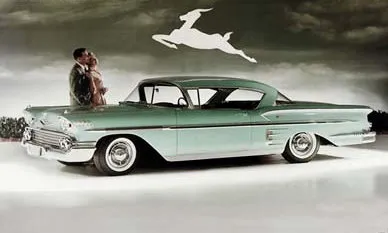 Photo: Chevrolet Impala, via upload.wikimedia.org
The base model came with cloth seats, manual windows, and a three-speed manual transmission. It was considered a perfectly respectable family car. Nobody felt deprived because their Impala lacked heated seats, navigation systems, or ambient lighting — those things didn't exist.
Car shopping was refreshingly straightforward. You picked a model, chose from maybe four colors, decided on automatic or manual transmission, and drove home. The most complex decision was whether to splurge on air conditioning for an extra $356 — about $3,200 in today's money.
The Rise of the Base Model
Post-war American automakers built their business around the concept of the "base model" — a fully functional vehicle sold at an attractive entry price. The base 1965 Ford Mustang cost $2,427 and came with everything you needed: engine, transmission, brakes, lights, and seats. Optional equipment was truly optional.
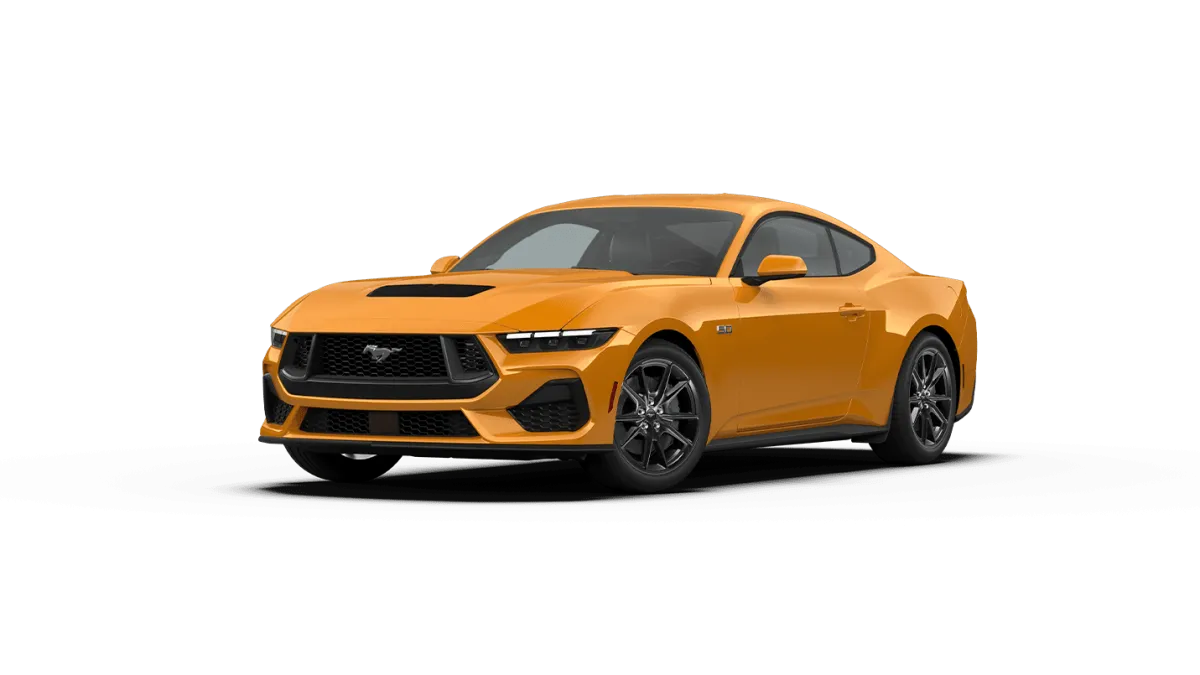 Photo: Ford Mustang, via www.ford.com
This wasn't about cutting corners. It was about democratic access to transportation. Detroit understood that most Americans wanted reliable, affordable cars without frills. The base model represented honest value — a complete product at a fair price.
Even luxury brands followed this philosophy. A 1970 Cadillac DeVille came standard with power steering, automatic transmission, and leather seats. You could order it with exactly twelve factory options, including cruise control, tilt steering wheel, and rear window defroster. The entire decision process took minutes, not hours.
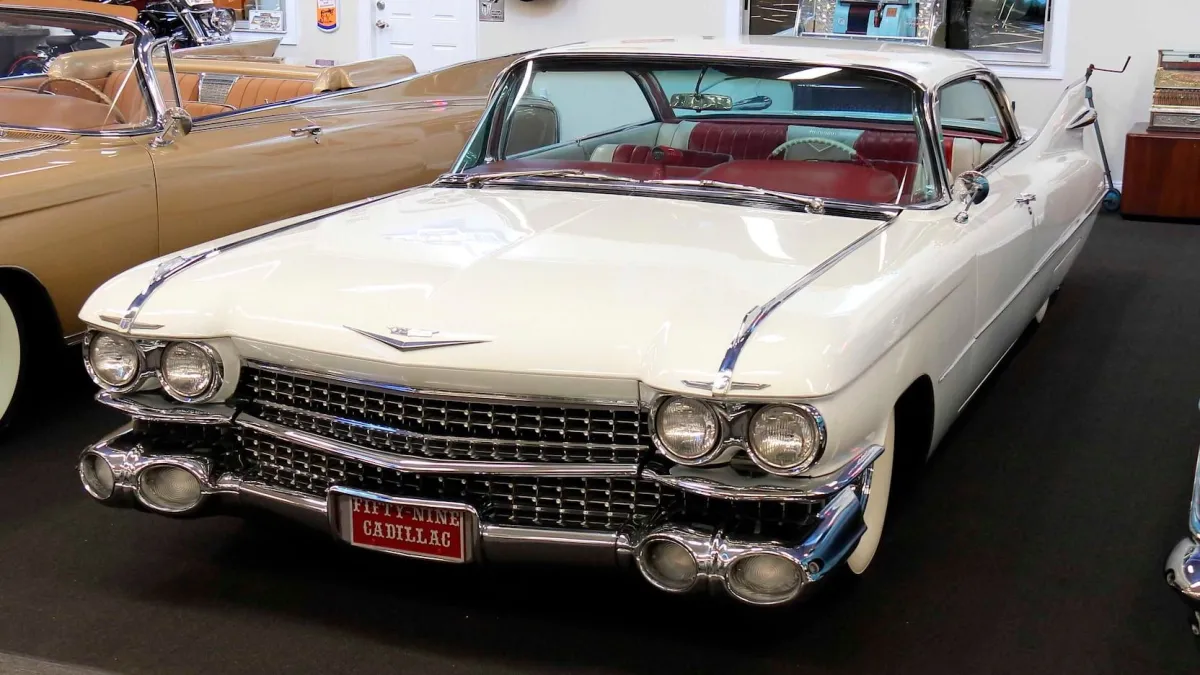 Photo: Cadillac DeVille, via images.classic.com
When Options Were Actually Optional
The beauty of 1960s car shopping lay in its clarity. Each option served a specific purpose and carried a clear price. Want air conditioning? Add $400. Prefer an automatic transmission? That's $200 extra. Need a radio? Another $60.
Options didn't come bundled into confusing packages. You didn't have to buy navigation to get heated seats, or purchase a "technology package" to access basic features. Each upgrade was independent, allowing buyers to customize their car based on actual needs and budget.
Dealers couldn't manipulate the process with mysterious add-ons or mandatory packages. The manufacturer set the price for each option, and that was the price everyone paid. No "market adjustments," no "dealer-installed accessories," no financing tricks disguised as features.
The Multiplication of Choice
Something fundamental shifted in the 1980s. As manufacturing became more sophisticated and consumer expectations rose, automakers began offering more variations of everything. Colors multiplied from four to twelve. Interior options expanded from two to six. Engine choices proliferated.
By the 1990s, a single model might offer dozens of combinations. The Honda Accord, once available in a handful of configurations, could be ordered in over 100 different ways. Luxury brands went further — a BMW 3 Series buyer faced thousands of possible combinations of options, packages, and accessories.
This explosion of choice was marketed as progress. Automakers promised that buyers could create a vehicle perfectly tailored to their lifestyle. In reality, they created a system where making any decision required extensive research and comparison shopping.
The Package Trap
Modern car shopping has become an exercise in forced bundling. Want heated seats? You must buy the "Comfort Package" that also includes a sunroof, premium audio system, and leather steering wheel — whether you want them or not. Need navigation? It comes only with the "Technology Package" that adds $3,500 to the price.
This bundling serves manufacturers' interests, not buyers'. It forces customers to pay for features they don't want while making it nearly impossible to compare prices across brands. A heated seat that might cost $200 as a standalone option becomes part of a $2,000 package.
The base model has been systematically stripped of features that were once standard. Power windows, which came standard on most cars by 1985, are now part of upgrade packages. Air conditioning, standard on luxury cars for decades, requires option packages on many models.
The Subscription Revolution
Today's automotive industry has discovered an even more profitable approach: subscription services. BMW charges monthly fees to activate heated seats already installed in your car. Tesla sells "Full Self-Driving" capability as a $15,000 option that may never fully materialize. Mercedes offers performance upgrades through annual subscriptions.
This represents a fundamental shift in ownership. You no longer buy a complete car — you buy access to a platform that generates ongoing revenue for the manufacturer. Features that were once yours forever now require monthly payments to maintain.
The psychological impact is profound. Buyers feel like they're renting their own vehicle, paying repeatedly for capabilities they thought they owned. It's the difference between buying a house and staying in a hotel where every amenity costs extra.
Dealer Add-On Madness
Modern dealerships have perfected the art of option multiplication. "Market adjustments" add thousands to popular models. "Dealer-installed packages" include everything from paint protection to extended warranties to theft deterrent systems — often at markups of 500% or more.
A typical new car purchase today involves navigating dozens of add-ons, packages, financing options, and service contracts. What should be a simple transaction has become a complex negotiation requiring expertise in automotive technology, financing terms, and legal contracts.
The contrast with 1960s car buying is stark. Your grandfather walked into a dealership, looked at cars on the lot, picked one he liked, and drove home the same day. Today's buyers spend weeks researching configurations online before entering a dealership for hours of negotiation over options they may not understand.
The True Cost of Complexity
This explosion of choice carries hidden costs beyond the obvious price inflation. Analysis paralysis has become a real phenomenon in car shopping. Buyers spend so much time researching options that they often delay purchases or make suboptimal decisions out of frustration.
The average new car transaction now takes over four hours at the dealership — compared to roughly 90 minutes in 1970. Much of this time is spent explaining options, packages, and financing terms that didn't exist in simpler eras.
Worst of all, many buyers end up paying for features they never use. Studies show that most drivers utilize less than 20% of their vehicle's available features. The heated steering wheel, premium audio system, and advanced driver assistance features sit unused while owners make monthly payments on capabilities they never needed.
What We Lost in Translation
The transformation from simple to complex reflects broader changes in American consumer culture. We've been trained to believe that more choices equal better outcomes, even when evidence suggests the opposite.
The 1967 Impala buyer made three or four decisions and drove away satisfied. Today's car shopper faces hundreds of choices, spends weeks researching, and often second-guesses their decision for years afterward. We've gained customization but lost simplicity, clarity, and peace of mind.
The gap between then and now isn't just about automotive technology — it's about how we define value, choice, and satisfaction. Sometimes the best option is having fewer options, and the most advanced feature is the one that just works without requiring a monthly subscription.
Your grandfather's car may have lacked heated seats and GPS navigation, but it came with something modern vehicles rarely offer: the confidence that you bought a complete product at a fair price, with no hidden fees or ongoing obligations. In a world of endless options, that kind of simplicity might be the ultimate luxury.