Then vs Now. The gap is bigger than you think.

The Now Gap

Then vs Now. The gap is bigger than you think.

Latest Articles

When Driving at Night Meant Risking Your Life — Until Technology Turned Darkness Into Daylight
Culture

When Driving at Night Meant Risking Your Life — Until Technology Turned Darkness Into Daylight

Early car headlights were so weak that night driving was essentially a death wish. Today's adaptive LED systems can literally see around corners and spot pedestrians before you do.

When Getting Lost Was Part of the Adventure — Before Your Phone Became Your Navigator
Culture

When Getting Lost Was Part of the Adventure — Before Your Phone Became Your Navigator

A generation ago, planning a road trip meant spreading out a massive paper map and accepting that wrong turns were inevitable. Today, most Americans can't navigate their own neighborhoods without GPS — and we've lost something profound in the process.

The Disappearing Safety Net: How America's Cars Lost Their Real Spare Tires
Travel

The Disappearing Safety Net: How America's Cars Lost Their Real Spare Tires

A generation ago, breaking down meant swapping in a full spare and driving home normally. Today's drivers get a donut, a can of foam, or worse — nothing at all. The automotive industry quietly shifted roadside risk to consumers while pocketing the savings.

Your Car's Windshield Used to Blind You in the Rain — Until a Woman Changed Everything
Culture

Your Car's Windshield Used to Blind You in the Rain — Until a Woman Changed Everything

In 1903, Mary Anderson watched a streetcar conductor struggle to see through his snow-covered windshield and invented the windshield wiper. What started as a hand-cranked curiosity that drivers had to pay extra for became so essential it's now illegal to drive without them — and your car operates them without you even thinking about it.

America Built 41,000 Miles of Highway to Replace Its Trains — And Lost the Best Transit System on Earth
Travel

America Built 41,000 Miles of Highway to Replace Its Trains — And Lost the Best Transit System on Earth

In 1956, America chose cars over trains with a single signature. The Interstate Highway System didn't just connect cities — it disconnected an entire nation from the world's most elegant way to travel. The gap between what we had and what we kept is staggering.

When Every Car Was Black — And Nobody Complained About It
Culture

When Every Car Was Black — And Nobody Complained About It

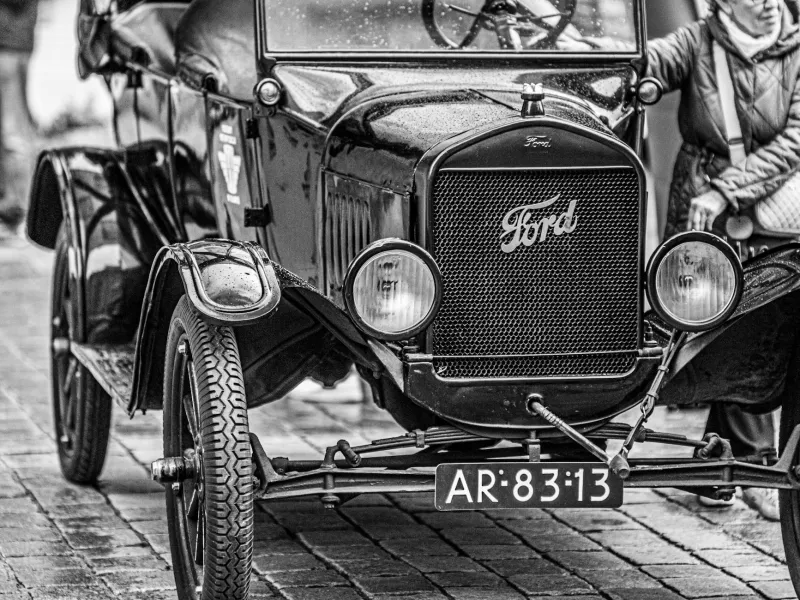
Henry Ford's famous declaration that customers could have any color they wanted, as long as it was black, wasn't just a quip — it was the reality for millions of Americans. Today's rainbow of automotive finishes would have seemed like science fiction to drivers who considered themselves lucky just to own four wheels.

Getting Your License Used to Be a Neighborhood Chat. Now It's a Computerized Exam.
Culture

Getting Your License Used to Be a Neighborhood Chat. Now It's a Computerized Exam.

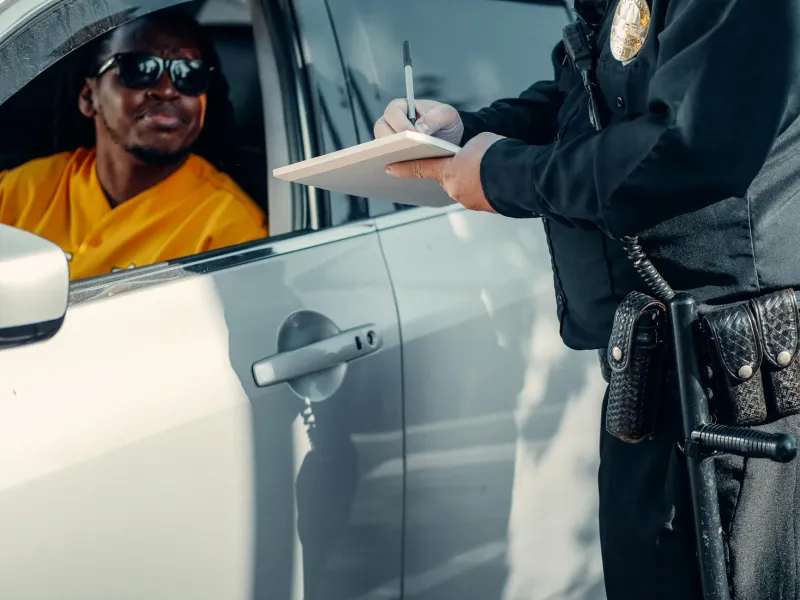
Decades ago, earning your driver's license meant a casual drive with a local examiner who likely knew your parents. Today's testing involves standardized scoring systems, predetermined routes, and digital evaluations that would make a NASA mission planner proud.

Before Turn Signals, Drivers Communicated Like They Were at a Cocktail Party
Culture

Before Turn Signals, Drivers Communicated Like They Were at a Cocktail Party

Hand signals, arm waves, and unwritten road customs once guided traffic. The turn signal didn't become standard until the 1960s—a surprisingly recent invention that reveals how much invisible engineering now stands between drivers and chaos.

Your Mechanic Used to Understand Your Car. Now It Understands Itself Better Than He Does.
Travel

Your Mechanic Used to Understand Your Car. Now It Understands Itself Better Than He Does.

Decades ago, a skilled mechanic could diagnose engine trouble by sound alone and rebuild a transmission in a weekend. Today's vehicles are rolling computers that require proprietary software, dealer-specific training, and diagnostic equipment most independent shops can't afford—fundamentally changing what it means to own a car.

A New Car Cost Less Than Your Annual Salary. Now It Costs More Than Three Years of Paychecks.
Finance

A New Car Cost Less Than Your Annual Salary. Now It Costs More Than Three Years of Paychecks.

In 1955, Americans could buy a brand-new Chevrolet for roughly what they earned in a single year. Today, that same car—adjusted for inflation—would require nearly four years of income. The real cost of car ownership has shifted in ways that quietly reshape the American dream.

There Was a Time You Could Drive as Fast as You Wanted — Legally
Travel

There Was a Time You Could Drive as Fast as You Wanted — Legally

Before 1974, several U.S. states had no enforceable daytime speed limit at all. The story of how America went from wide-open throttle to radar guns and traffic cameras is a collision between freedom, oil politics, and a country that never quite agreed on what the road was actually for.

Free Parking Was Once a Basic Right. Then the Meter Came for Everything.
Finance

Free Parking Was Once a Basic Right. Then the Meter Came for Everything.

For most of the 20th century, parking your car was just something you did — free, easy, and expected. Today, a single hour in a downtown garage can cost more than a sit-down lunch. The transformation of parking from a given to a genuine financial burden is one of the quietest and most dramatic shifts in American urban life.

Nobody Buckled Up — And the Death Toll Was Staggering
Culture

Nobody Buckled Up — And the Death Toll Was Staggering

In your grandfather's era, climbing into a car with no seatbelt, no airbag, and a steel dashboard aimed straight at your face was just Tuesday. The story of how America finally got serious about car safety is wilder — and more human — than most people realize.

The American Road Trip Used to Come With a Real Chance of Not Making It
Travel

The American Road Trip Used to Come With a Real Chance of Not Making It

Loading the station wagon and heading cross-country sounds romantic in hindsight. But the 1960s and 70s family road trip was genuinely unpredictable — paper maps, questionable diners, and cars that broke down at a rate modern drivers would find hard to believe. Here's how dramatically the odds have shifted in your favor.

Gas Was 25 Cents a Gallon — So Why Were Drivers Paying More Than You Think?
Finance

Gas Was 25 Cents a Gallon — So Why Were Drivers Paying More Than You Think?

Americans love to reminisce about 25-cent gas. But once you adjust for inflation, factor in fuel efficiency, and calculate how many hours of work it actually took to fill a tank, the so-called golden age of cheap gasoline looks a lot less golden. The numbers might genuinely surprise you.

Buying a Car Once Took Days of Your Life. Now It Can Take Minutes.
Culture

Buying a Car Once Took Days of Your Life. Now It Can Take Minutes.

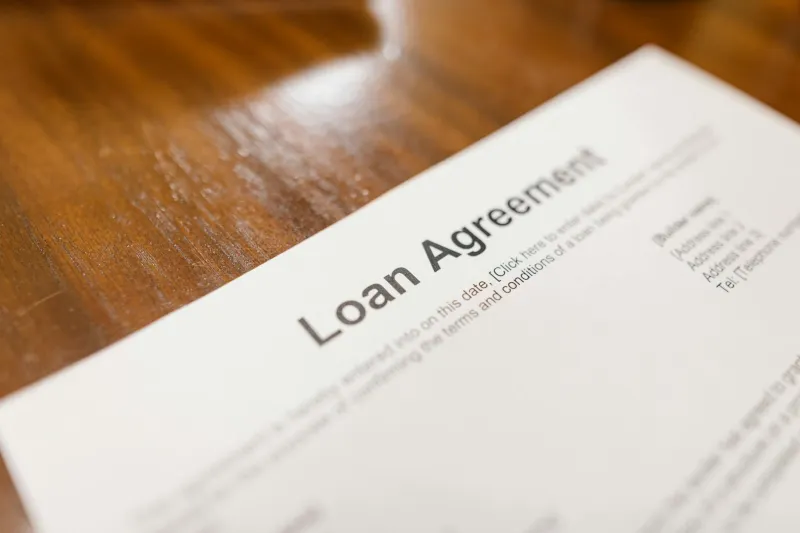
Not long ago, purchasing a new car meant surrendering entire days to a dealership floor — enduring high-pressure tactics, mysterious pricing, and enough paperwork to wallpaper a living room. Today, you can configure, finance, and schedule delivery from your couch. The power shift between buyer and seller is one of the most dramatic reversals in American consumer history.