The Great Depreciation Reversal — When Used Cars Became More Expensive Than New Ones
When Used Meant Cheap
For most of automotive history, buying used meant getting a bargain. Drive a new car off the lot in 1985, and it instantly lost 20% of its value. Keep it three years, and you'd be lucky to get half your money back. Used car lots were graveyards of automotive depreciation, where smart shoppers could find transportation at fire-sale prices.
The math was brutal but predictable. A $15,000 Honda Accord would be worth $7,500 after three years, guaranteed. Dealers knew it, buyers knew it, and the entire used car market operated on the assumption that yesterday's cars were worth significantly less than today's.
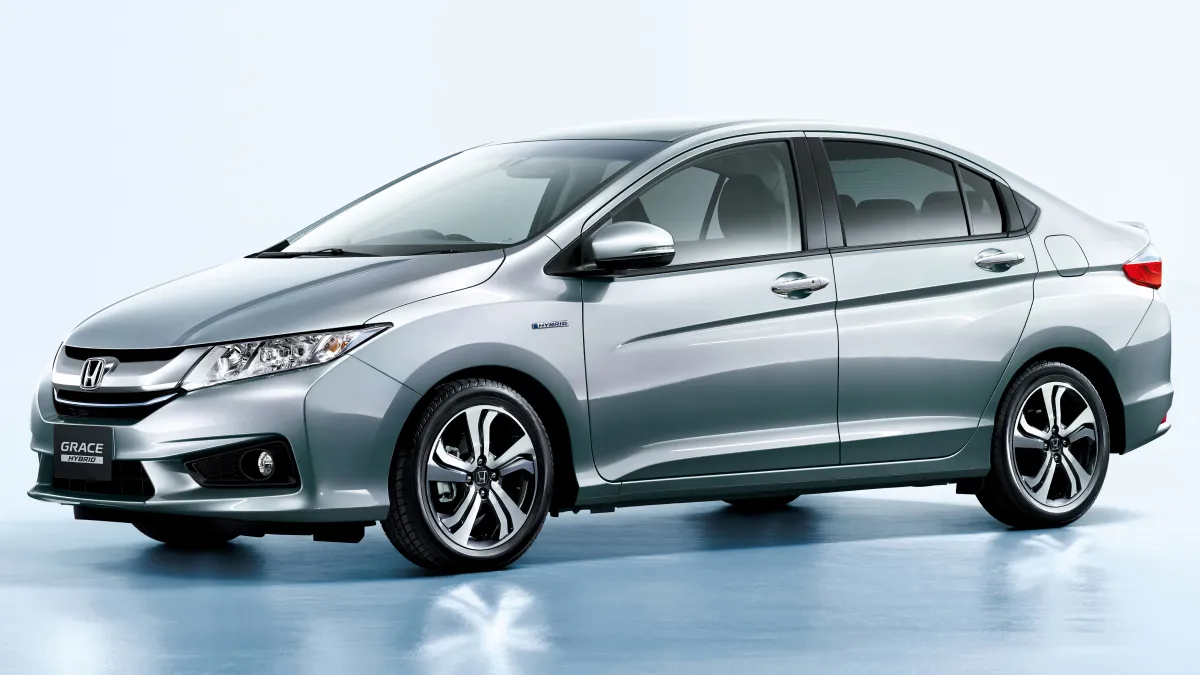 Photo: Honda Accord, via paultan.org
The Depreciation Curve
The traditional depreciation schedule was merciless. New cars lost value fastest in their first year, then continued sliding at a steady pace. By year five, most vehicles were worth about 30% of their original sticker price. By year ten, they were practically worthless — maybe $1,000 for something that once cost $20,000.
This created a thriving ecosystem of budget transportation. College students could buy reliable wheels for under $3,000. Young families found practical sedans for $5,000. Even luxury cars became accessible once depreciation worked its magic — you could drive a three-year-old BMW for less than a new Honda.
The Flip
Something unprecedented happened around 2020: used cars started appreciating. Not just holding value — actually becoming more expensive over time. A 2018 Ford F-150 that cost $35,000 new was suddenly selling for $40,000 used. The entire foundation of the automotive market cracked.
 Photo: Ford F-150, via static0.gamerantimages.com
Sudden supply shocks triggered the reversal. Chip shortages strangled new car production just as pandemic savings created unprecedented demand. Rental car companies, desperate to rebuild fleets, bid up used car prices to absurd levels. Normal depreciation didn't just stop — it reversed direction entirely.
The New Reality
Today's used car market operates by completely different rules. Three-year-old pickup trucks routinely sell for more than their original MSRP. A 2020 Toyota Tacoma with 40,000 miles costs more than a 2023 model sitting on the dealer lot — if you can find one.
 Photo: Toyota Tacoma, via www.cantys.com.au
The reversal isn't limited to trucks. Compact cars, SUVs, even luxury vehicles are appreciating in ways that would have been unthinkable five years ago. A used car dealer's lot has become more like a stock portfolio than a depreciation graveyard.
Beyond the Pandemic
While COVID-19 triggered the flip, deeper structural changes sustain it. New car production never fully recovered from supply chain disruptions. Manufacturers discovered they could make more profit building fewer, more expensive vehicles. The steady stream of depreciated inventory that once fed the used market simply dried up.
Modern cars also last longer than their predecessors. A 100,000-mile vehicle today has significantly more life left than one from the 1980s. When cars don't wear out as quickly, the used market can't rely on mechanical depreciation to drive prices down.
The Affordability Crisis
The depreciation reversal has devastated entry-level buyers. The traditional path to car ownership — buy something a few years old at a steep discount — no longer exists. Young people who once counted on depreciation to make transportation affordable are completely priced out.
Consider the impact on a typical first-time buyer. In 2010, they could find a reliable used car for $8,000. Today, that same vehicle costs $15,000 or more, while wages haven't kept pace. The used car market has become another barrier to economic mobility.
Rental Car Refugees
The rental car industry's desperate buying spree particularly distorted the market. Companies like Hertz and Enterprise, having sold off their fleets during the pandemic, needed inventory immediately. They didn't care about traditional pricing — they needed cars, period.
This created a bizarre situation where rental companies were paying retail prices for used vehicles, then competing directly with consumers for the same inventory. The normal flow of rental cars into the used market stopped, removing a major source of affordable transportation.
The Credit Crunch
As used car prices soared, financing became a nightmare. Banks found themselves writing loans for more than vehicles were originally worth. A $25,000 loan on a car that cost $20,000 new violates every traditional lending principle, but it became routine.
Longer loan terms — now stretching to 84 months — masked the affordability crisis temporarily. But they created new problems: buyers owing more than their cars are worth for years, not months. The traditional equity-building aspect of car ownership disappeared.
Market Distortion
The price reversal created perverse incentives throughout the automotive ecosystem. Why sell your used car privately when dealers are paying above-market rates? Why buy new when used costs the same? Why maintain vehicles when replacement parts cost more than the car's previous value?
Dealerships adapted by shifting focus from new car sales to used inventory management. Some locations became primarily used car operations, with new vehicles serving as loss leaders to generate trade-ins.
The Correction That Isn't Coming
Many expected used car prices to normalize as supply chains recovered. Instead, they've stabilized at historically high levels. The market seems to have permanently reset expectations about what used vehicles should cost.
Manufacturers have little incentive to flood the market with inventory that would crash used values. They've discovered that scarcity maintains pricing power across their entire product line, new and used.
A Different Future
The depreciation reversal represents more than a temporary market disruption — it's a fundamental shift in how Americans access transportation. The used car market that once provided affordable mobility for millions has become another luxury good.
For generations, used cars were the great equalizer, allowing anyone with modest means to participate in American car culture. That democratizing force has been priced out of existence, replaced by a market where yesterday's transportation costs more than tomorrow's.
The gap between then and now isn't just about prices — it's about accessibility, opportunity, and the American promise that hard work should afford basic mobility. When used cars become luxury items, something essential about economic mobility gets lost in the transaction.