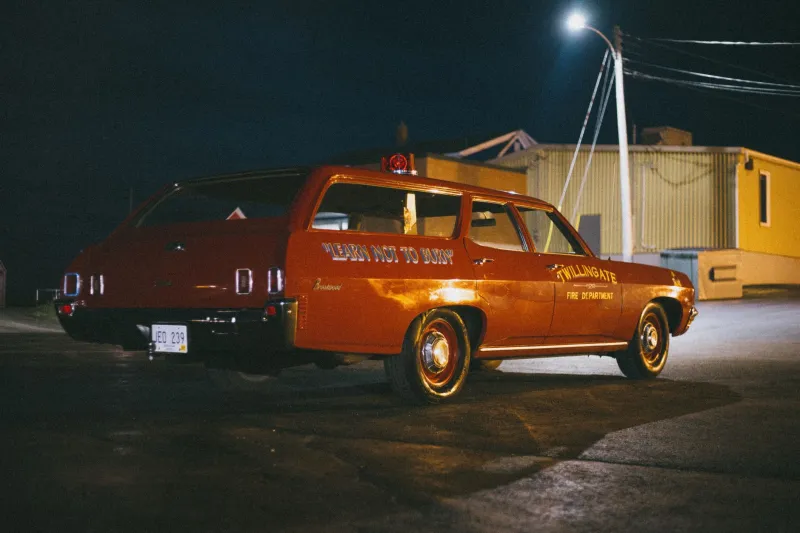
When Detroit Built Tanks Disguised as Family Cars — Before Accountants Discovered the Beauty of Breaking Down
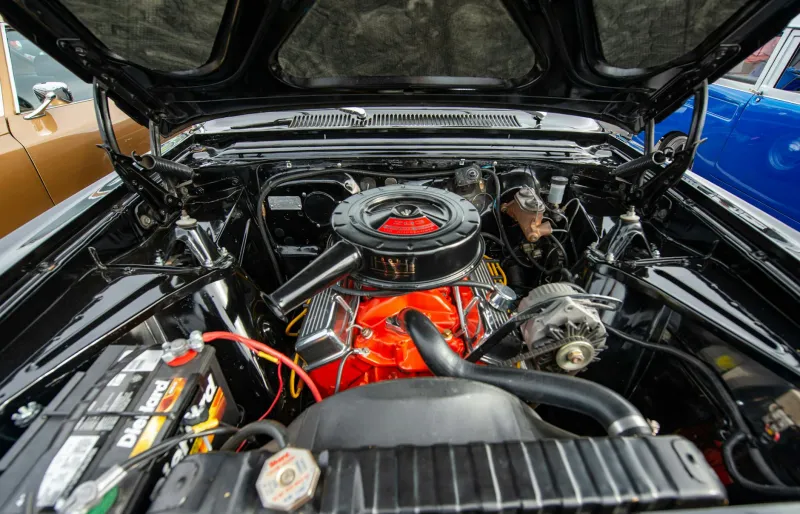
In 1967, my neighbor bought a forest green Chevrolet Impala straight off the lot. Forty-three years later, that same car was still making the daily commute to the post office, its original 327 V8 purring like the day it rolled out of the factory. The odometer had rolled over twice.
 Photo: Chevrolet Impala, via img.freepik.com
Today, that story sounds like automotive folklore.
The Era When Cars Were Built Like Bridges
Back when Detroit ruled the world, American automakers operated under a fundamentally different philosophy. Cars weren't just transportation — they were investments. A family expected their Oldsmobile to outlast their mortgage, and more often than not, it did.
The engineering was brutally simple. Engines had massive tolerances, transmissions were built with enough steel to armor a tank, and everything was designed to be fixed with basic tools in your driveway. A 1970 Ford F-150's engine bay had enough room to host a dinner party. Every component was accessible, serviceable, and built to handle decades of abuse.
 Photo: Ford F-150, via www.artribune.com
Mechanics from that era will tell you the same story: cars broke down, sure, but they broke down in predictable ways that could be fixed with a wrench set and a Saturday afternoon. A blown head gasket was a weekend project, not a reason to start shopping for a new car.
The Quiet Revolution in Your Driveway
Somewhere between the fuel crisis of the 1970s and the digital revolution of the 2000s, the automotive industry discovered something revolutionary: customers would actually pay more for cars that lasted less time.
The shift wasn't announced with press releases or marketing campaigns. It happened gradually, buried in engineering specifications and cost-reduction meetings. Transmissions that once lasted 300,000 miles were quietly redesigned to start showing problems around 150,000. Engine components that were previously built to military specifications were replaced with lighter, cheaper alternatives that performed beautifully — for exactly as long as the warranty covered them.
Modern vehicles are marvels of efficiency and technology, but they're also precisely calibrated to begin their decline on a schedule. Your 2020 sedan has more computing power than the Apollo spacecraft, but good luck finding a mechanic who can diagnose why the infotainment system is preventing the engine from starting.
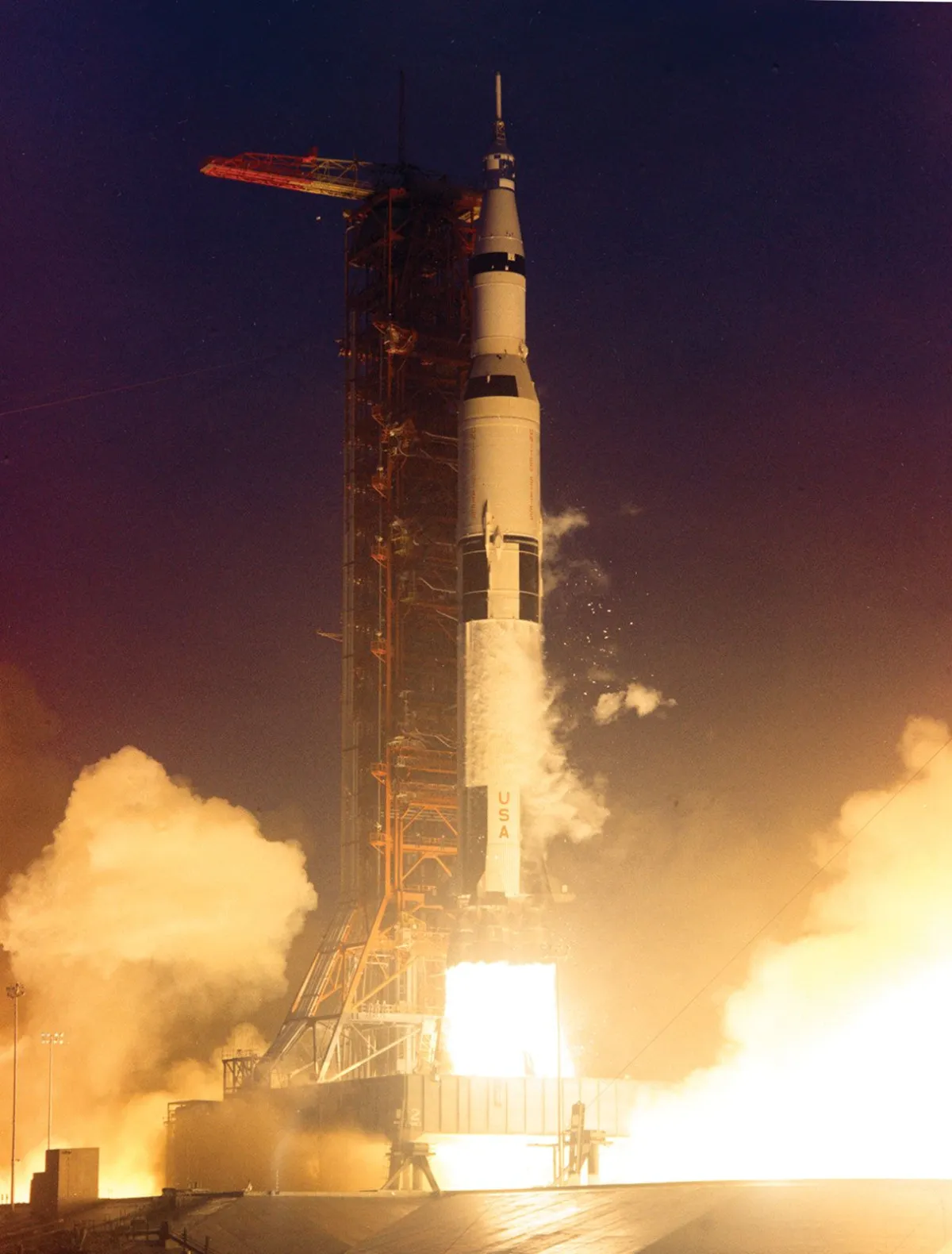 Photo: Apollo spacecraft, via cdn.britannica.com
The Science of Strategic Failure
Today's automotive engineers don't just design cars — they design failure patterns. It's called "planned obsolescence," and it's become an art form.
Consider the modern automatic transmission. Where older units used simple hydraulic controls and serviceable parts, today's transmissions are controlled by computers that "learn" your driving patterns. When these computers fail — and they're designed to fail just outside the warranty period — the entire transmission often needs replacement. The repair cost? Usually more than the car's remaining value.
Oil change intervals provide another perfect example. Modern engines can technically go 10,000 miles between changes, but the fine print reveals the catch: this extended interval only applies under "ideal" driving conditions that basically don't exist in the real world. Miss a few changes or drive in stop-and-go traffic, and that precision-engineered engine becomes a very expensive paperweight.
Even the fluids have been weaponized against longevity. Where older cars used standard fluids available at any parts store, modern vehicles require proprietary formulations that cost ten times as much and can only be serviced at dealerships. Your grandfather could maintain his car with basic tools and universal parts. Your car requires specialized equipment and manufacturer-specific everything.
When 100,000 Miles Became the New Finish Line
The psychological shift has been just as dramatic as the engineering one. We've been conditioned to celebrate cars that reach 100,000 miles, treating mechanical longevity like some kind of automotive lottery win.
Our grandparents would have laughed at this. In their world, 100,000 miles was barely broken in. Cars that couldn't make it to 200,000 miles were considered lemons. The expectation wasn't just that your car would last — it was that your kids would inherit it.
This shift in expectations wasn't accidental. As cars became more complex and repair costs skyrocketed, the industry successfully redefined what "reliable" meant. A car that makes it to 100,000 miles without major repairs is now considered exceptionally well-built, even if it's designed to become economically unfeasible to maintain shortly thereafter.
The Hidden Cost of the New Normal
This transformation has fundamentally changed the economics of car ownership. Where previous generations bought cars as long-term investments, we now lease them like appliances. The average American changes cars every six years — not because they want to, but because keeping their current car becomes financially impractical.
The environmental impact is staggering. We're scrapping millions of vehicles that could theoretically run for decades, simply because they've been designed to become too expensive to maintain. The raw materials that went into building these cars — steel, aluminum, rare earth elements — get recycled at best, but more often end up in landfills.
Meanwhile, the automotive industry has created a perfect business model: sell customers cars that will inevitably need to be replaced, then profit again from the replacement cycle. It's brilliant from a shareholder perspective, but it represents a fundamental betrayal of the relationship between Americans and their automobiles.
What We Lost When Cars Became Consumables
The old way wasn't perfect. Those tank-like cars from the 1960s got terrible gas mileage, polluted heavily, and lacked basic safety features. But they represented something valuable that we've quietly surrendered: the idea that the things we buy should be built to last.
When your car was an investment that would serve your family for decades, you developed a relationship with it. You learned its quirks, understood its maintenance needs, and took pride in keeping it running. Cars had character, personality, and most importantly, permanence.
Today's vehicles are undeniably better in almost every measurable way — they're safer, cleaner, more efficient, and more comfortable. But they're also temporary. They're designed to be replaced, not maintained. Fixed, not repaired.
The gap between then and now isn't just about engineering or economics — it's about philosophy. We've traded durability for convenience, longevity for features, and mechanical simplicity for digital complexity. Whether that trade was worth it depends on what you value more: a car that becomes part of your family's story, or one that seamlessly integrates with your smartphone.
Your grandfather's Impala might still be running today, but your Tesla will probably need a new battery pack long before it sees its twentieth birthday. Progress has a price, and we're still figuring out whether we can afford it.