The Carpool Lane Was Built on a Promise America Never Kept
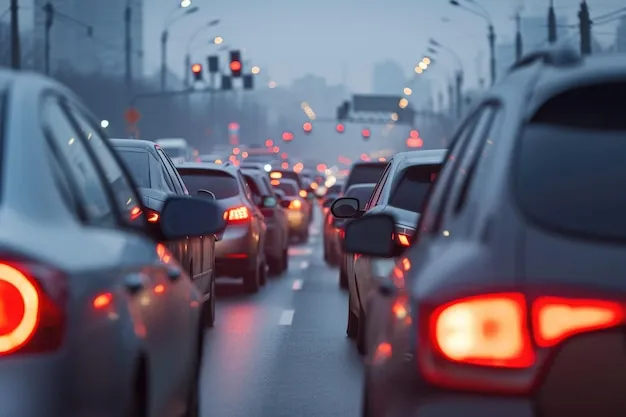
There's a special kind of frustration reserved for the driver sitting in bumper-to-bumper traffic while watching a mostly empty lane glide past to their left. That lane, marked with a white diamond and guarded by a dashed line, was built on one of the most optimistic assumptions in American transportation history: that given the right incentives, Americans would voluntarily share their cars.
They didn't. And yet the lane is still there.
The Crisis That Built the Diamond Lane
To understand why HOV lanes exist, you have to go back to October 1973 and the Arab oil embargo. When OPEC cut off petroleum exports to the United States, gas prices didn't just rise — they created lines around the block at stations that hadn't yet run dry. Americans, for the first time in the automobile age, were genuinely confronted with the fragility of their fuel supply.
Federal and state governments scrambled for responses. Odd-even rationing. Speed limit reductions. Daylight saving time adjustments. And a new idea for the highway: what if we reserved a lane specifically for vehicles carrying multiple passengers? If you could encourage two or three people to share a ride, you'd move more people with fewer cars, burn less fuel, and ease congestion all at once.
The first true HOV lanes in the US appeared in the mid-1970s, with Virginia and California leading the way. The logic was elegant. During rush hour, the average American commuter drove alone. If you could shift even a fraction of those solo drivers into shared rides, the math worked beautifully. A lane carrying vehicles with three occupants each was effectively tripling its own capacity.
Planners were confident. The energy crisis had rattled Americans. Surely, faced with expensive gas and clogged roads, people would adapt.
The Commuter Culture That Never Quite Arrived
For a while, in certain cities, it worked. In the Washington D.C. area, informal carpooling arrangements — known as "slugging" — developed organically around HOV lanes. Strangers lined up at designated spots, drivers pulled over, and passengers climbed in, all without apps or payment systems, simply because everyone benefited from using the faster lane. It was a genuinely remarkable piece of spontaneous social infrastructure.
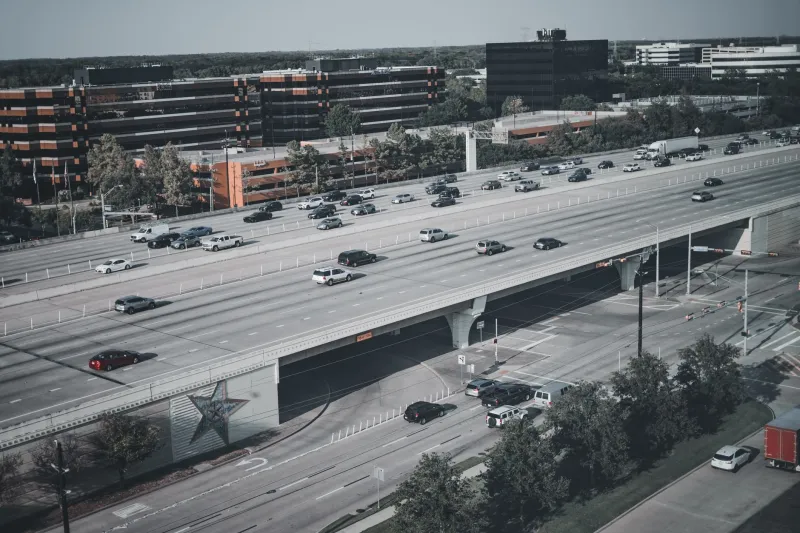
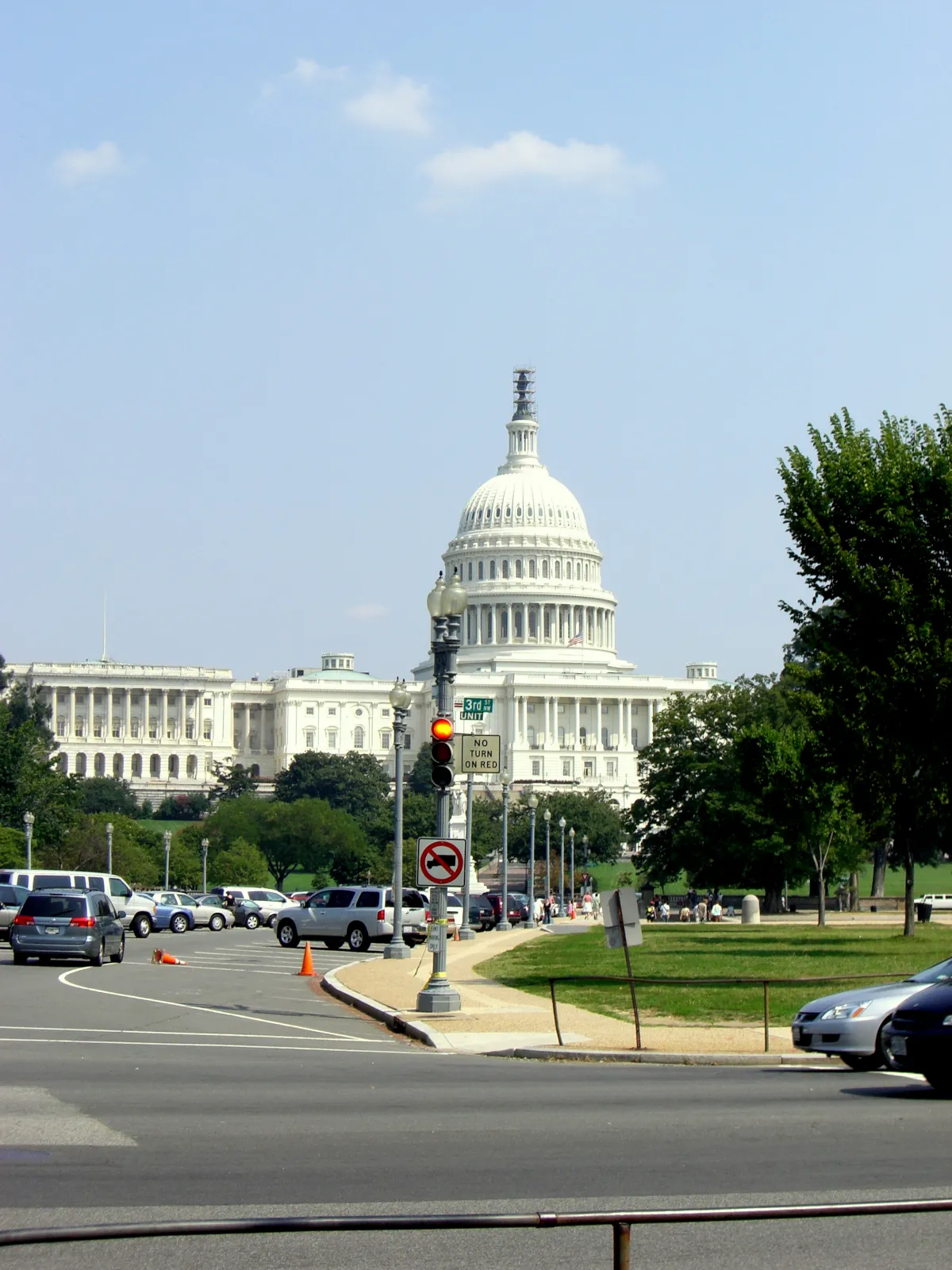 Photo: Washington D.C., via jooinn.com
But slugging was always the exception, not the rule. Across most of America, the carpool lane remained an aspiration that the majority of drivers observed from the slow lane. The reasons were predictable in hindsight.
American suburban development had already locked in a pattern of living that made carpooling genuinely difficult. People lived in different neighborhoods, worked different hours, had different obligations — kids to drop off, errands to run, gym visits that didn't fit anyone else's schedule. The flexibility that Americans had built their entire suburban lifestyle around was fundamentally incompatible with the rigid timing that carpooling required.
By the 1980s, gas prices had stabilized and the urgency of the energy crisis had faded. The HOV lane remained, a piece of infrastructure built for a behavioral shift that mostly hadn't happened.
When the Rules Started Bending
The real philosophical crack in the HOV lane appeared when states began selling their way out of the lane's core premise.
In the 1990s and 2000s, facing budget pressures and the political awkwardness of lanes that critics called "Lexus lanes" — underused by the public, enjoyed mostly by the well-organized few — states began introducing what they called High Occupancy Toll lanes, or HOT lanes. The idea was simple: if you're driving alone, you can still use the fast lane. You just pay for the privilege.
The fee varies dynamically based on congestion — sometimes a dollar, sometimes eight or ten dollars during peak hours. In theory, the revenue funds transit. In practice, it turned what was designed as a collective good into a priced commodity. The diamond lane, which was supposed to reward sharing, became something you could simply purchase.
Then came the electric vehicle exemption. California, in its enthusiasm for EV adoption, began allowing solo drivers in qualifying electric vehicles to use HOV lanes regardless of occupancy. Other states followed. The original purpose — reducing the number of vehicles on the road — was quietly set aside in favor of a different goal: reducing emissions per vehicle. Both are legitimate objectives. But they're not the same objective, and the lane was built for the first one.
Remote Work Finished the Job
If the HOT lane and the EV exemption bent the concept, the COVID-19 pandemic arguably broke it. When millions of Americans shifted to remote work beginning in 2020, commuting patterns shattered in ways that transportation planners are still trying to understand.
HOV lanes are a rush-hour tool. They exist to manage the specific pressure of millions of people traveling to and from work at the same time, five days a week. Remove that synchronized mass movement — which remote and hybrid work has done, at least partially — and the entire architecture of the HOV lane becomes less relevant.
In cities where remote work is widespread, traffic patterns have become flatter and stranger. The sharp morning and evening peaks have softened. The HOV lane, designed for the predictable tide of office commuters, increasingly sits in a world where that tide no longer flows on schedule.
The Lane That Outlived Its Moment
None of this means HOV lanes are entirely useless. In dense corridors where commuting is still concentrated — certain stretches of I-66 in Virginia, the 405 in Los Angeles — they continue to serve a purpose. Buses use them. True carpools still use them. They move people.
But the grand vision that animated their creation — a transformation of American commuting culture toward shared, efficient travel — never arrived. What we got instead was a lane that started as a behavioral incentive, became a purchasable lane upgrade, absorbed a wave of solo EVs, and now sits somewhat awkwardly in a world where the daily commute itself is no longer universal.
America painted that white diamond on the asphalt fifty years ago and waited for its drivers to change. The drivers looked at the lane, looked at their schedules, looked at their suburban driveways, and mostly got in their cars alone.
The lane is still waiting.